
Listen to this Article

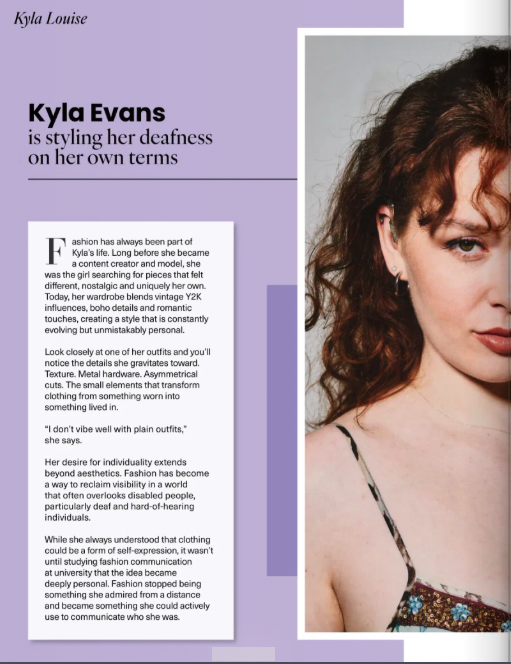
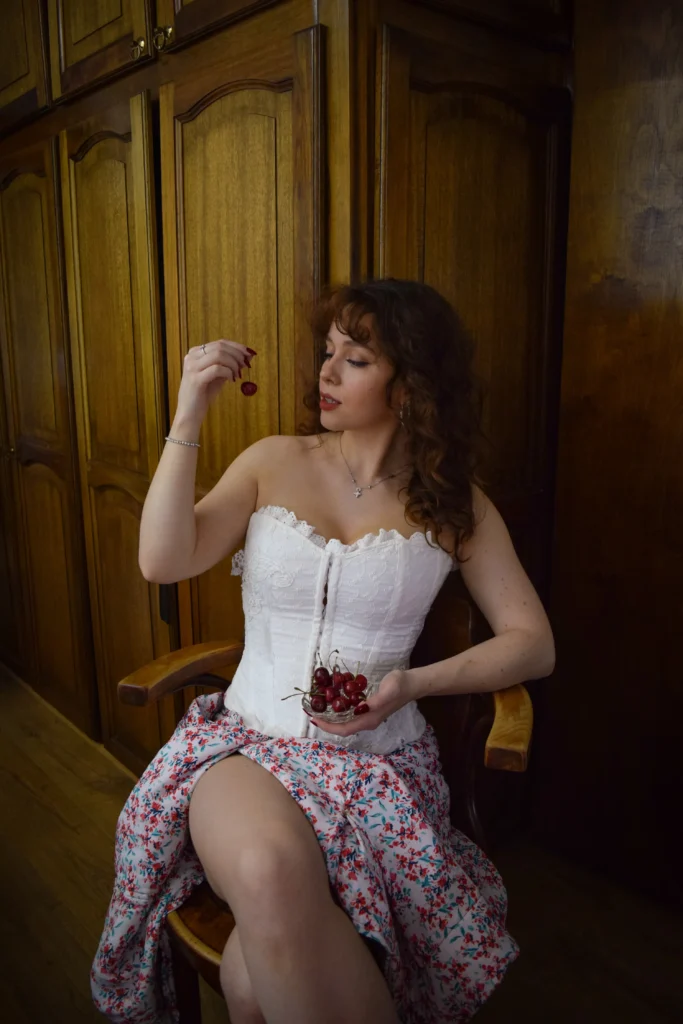
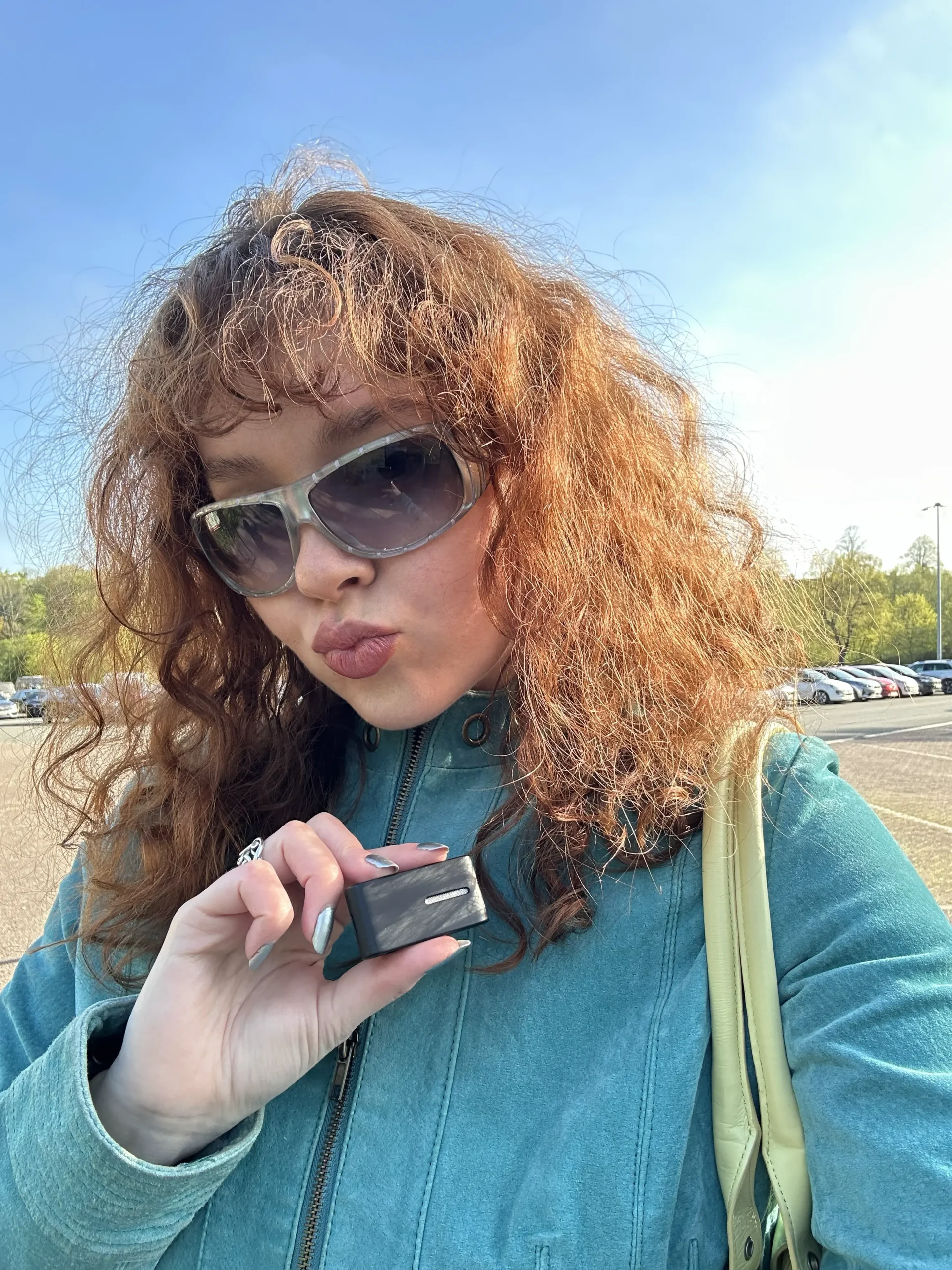
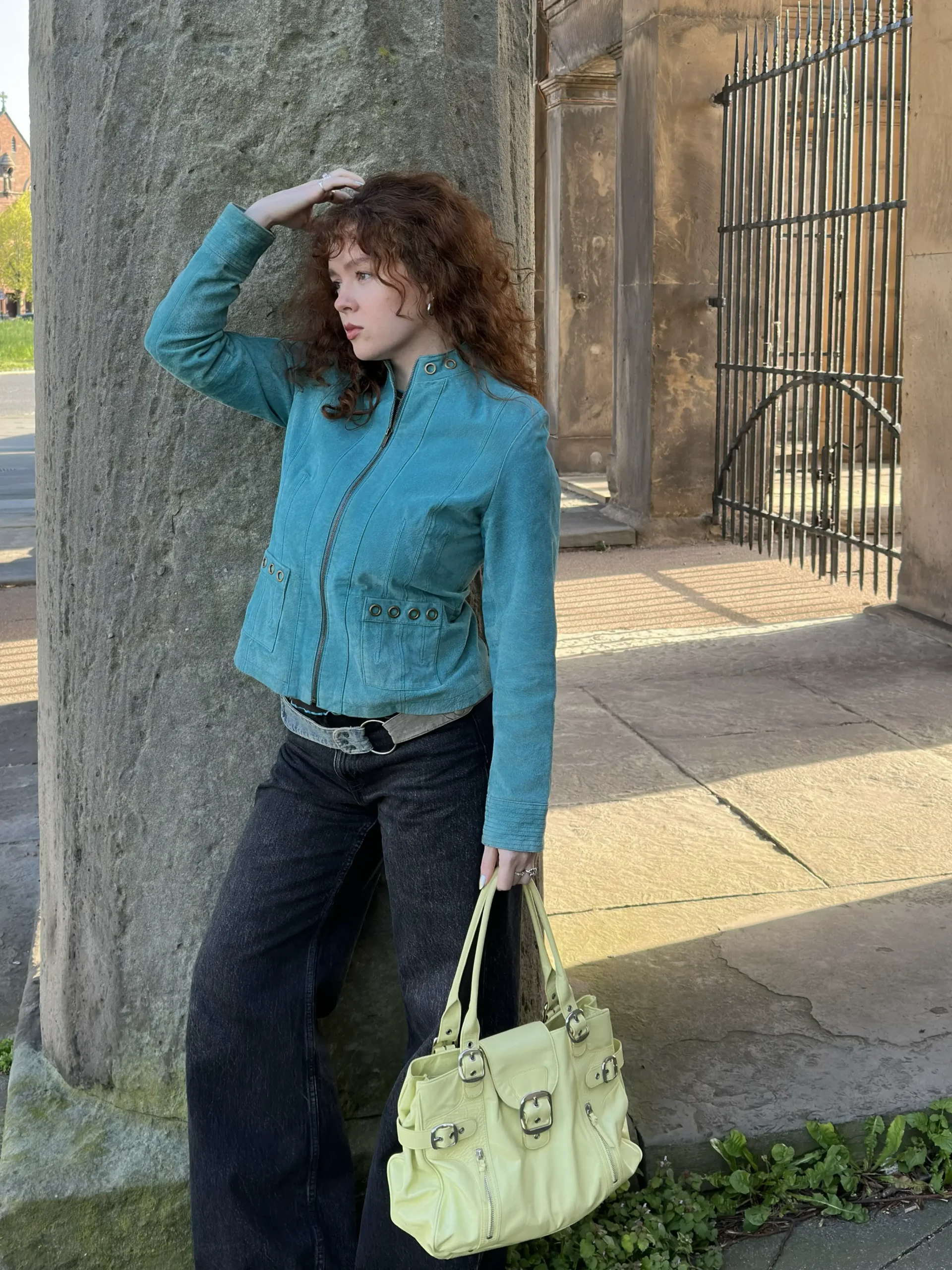
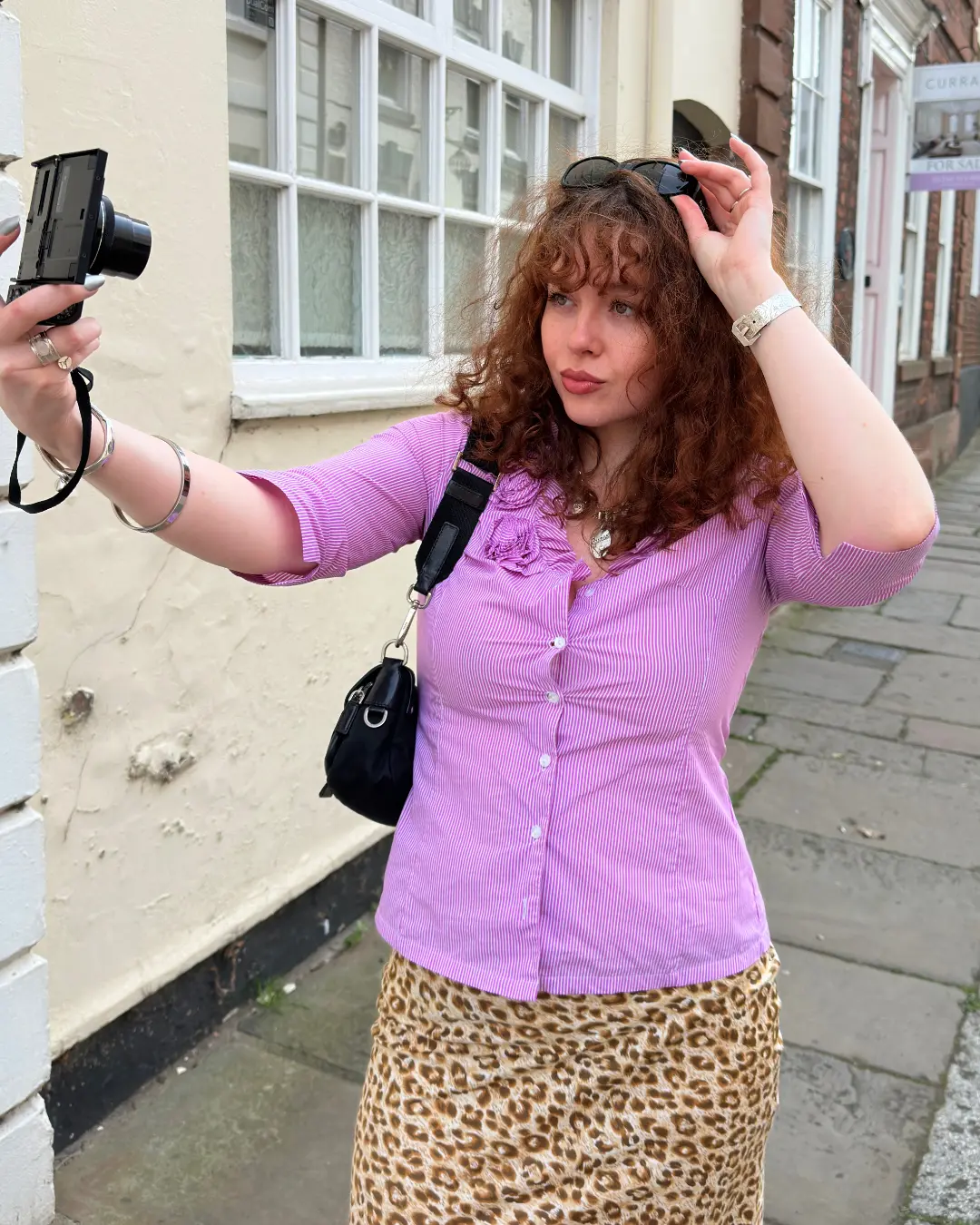
Fashion has always been part of Kyla’s life. Long before she became a content creator and model, she was the girl searching for pieces that felt different, nostalgic and uniquely her own. Today, her wardrobe blends vintage Y2K influences, boho details and romantic touches, creating a style that is constantly evolving but unmistakably personal.
Look closely at one of her outfits and you’ll notice the details she gravitates toward. Texture. Metal hardware. Asymmetrical cuts. The small elements that transform clothing from something worn into something lived in.
“I don’t vibe well with plain outfits,” she says.
Her desire for individuality extends beyond aesthetics. Fashion has become a way to reclaim visibility in a world that often overlooks disabled people, particularly deaf and hard-of-hearing individuals.
While she always understood that clothing could be a form of self-expression, it wasn’t until studying fashion communication at university that the idea became deeply personal. Fashion stopped being something she admired from a distance and became something she could actively use to communicate who she was.
Like many people who love style, her relationship with fashion has involved plenty of experimentation. Some pieces become everyday staples, like the vintage Diesel jeans she found thrifting and immediately fell in love with. Others remain hanging in the closet long after their purpose has passed. She laughs when describing a graphic Joker T-shirt from a self-described Batman-obsessed phase, “I love baddies” that she refuses to part with despite never wearing it.
“It explains why it took me so long to understand my style,” she says.
That process of self-discovery mirrors another journey she has spent years navigating: learning to embrace her deafness.
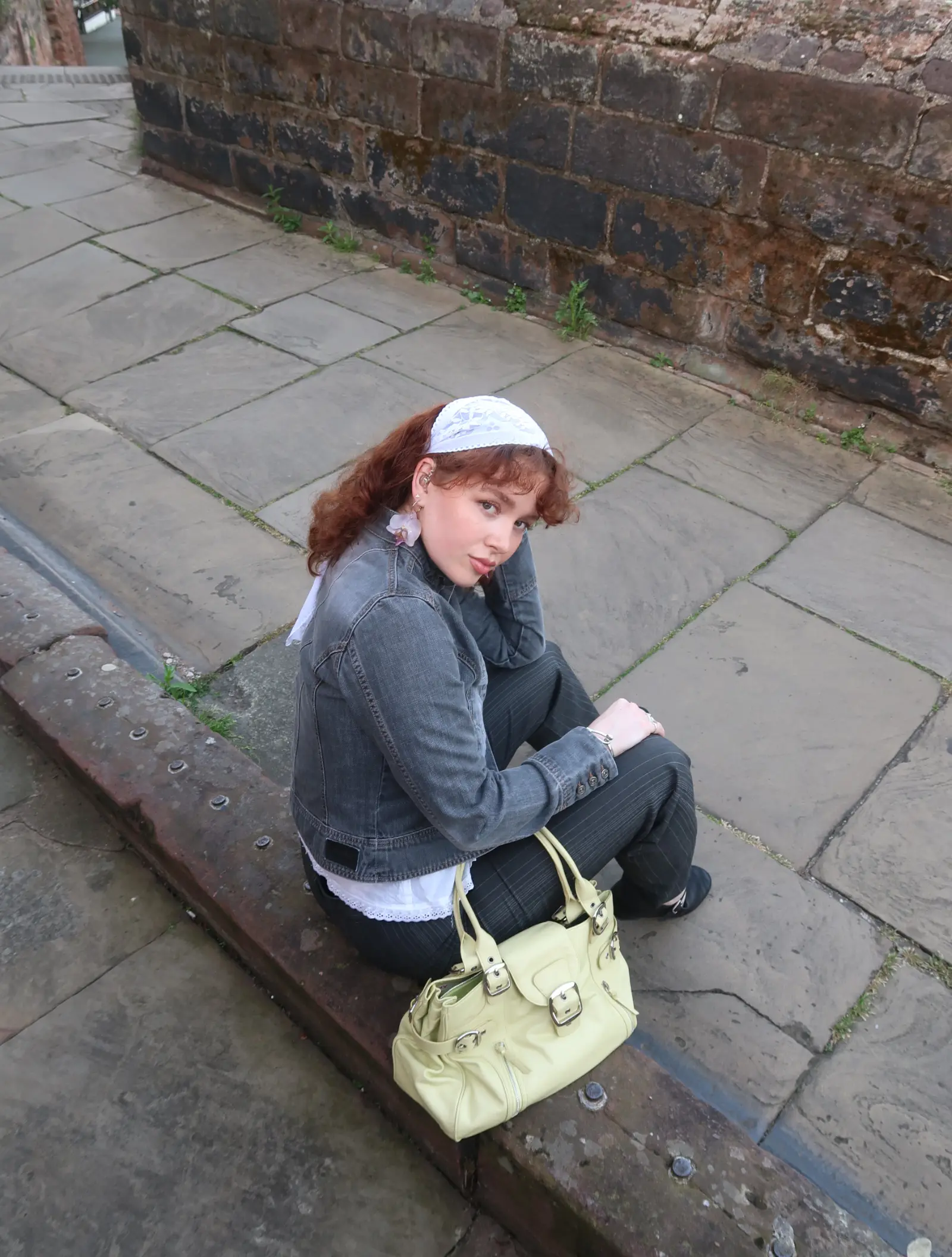
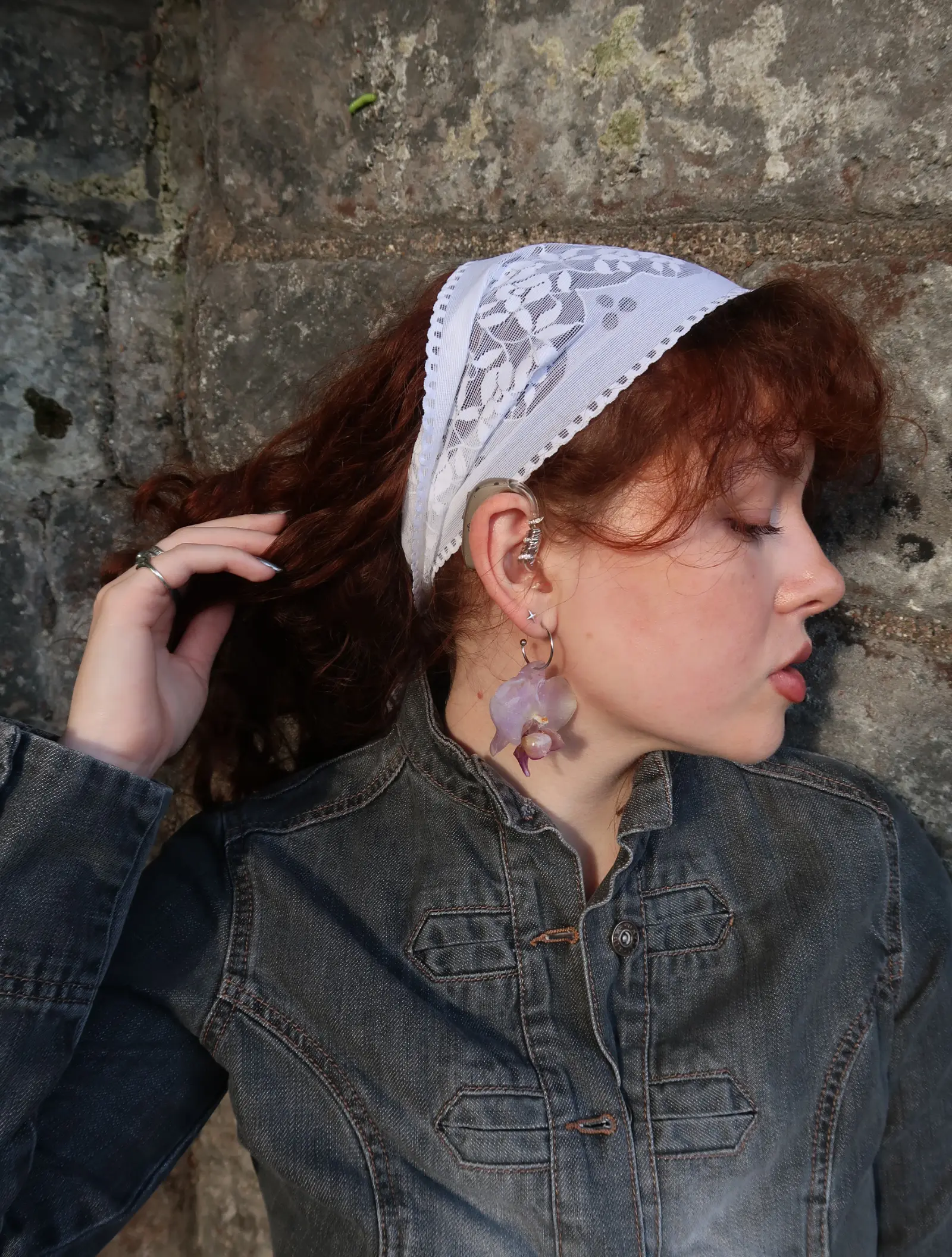
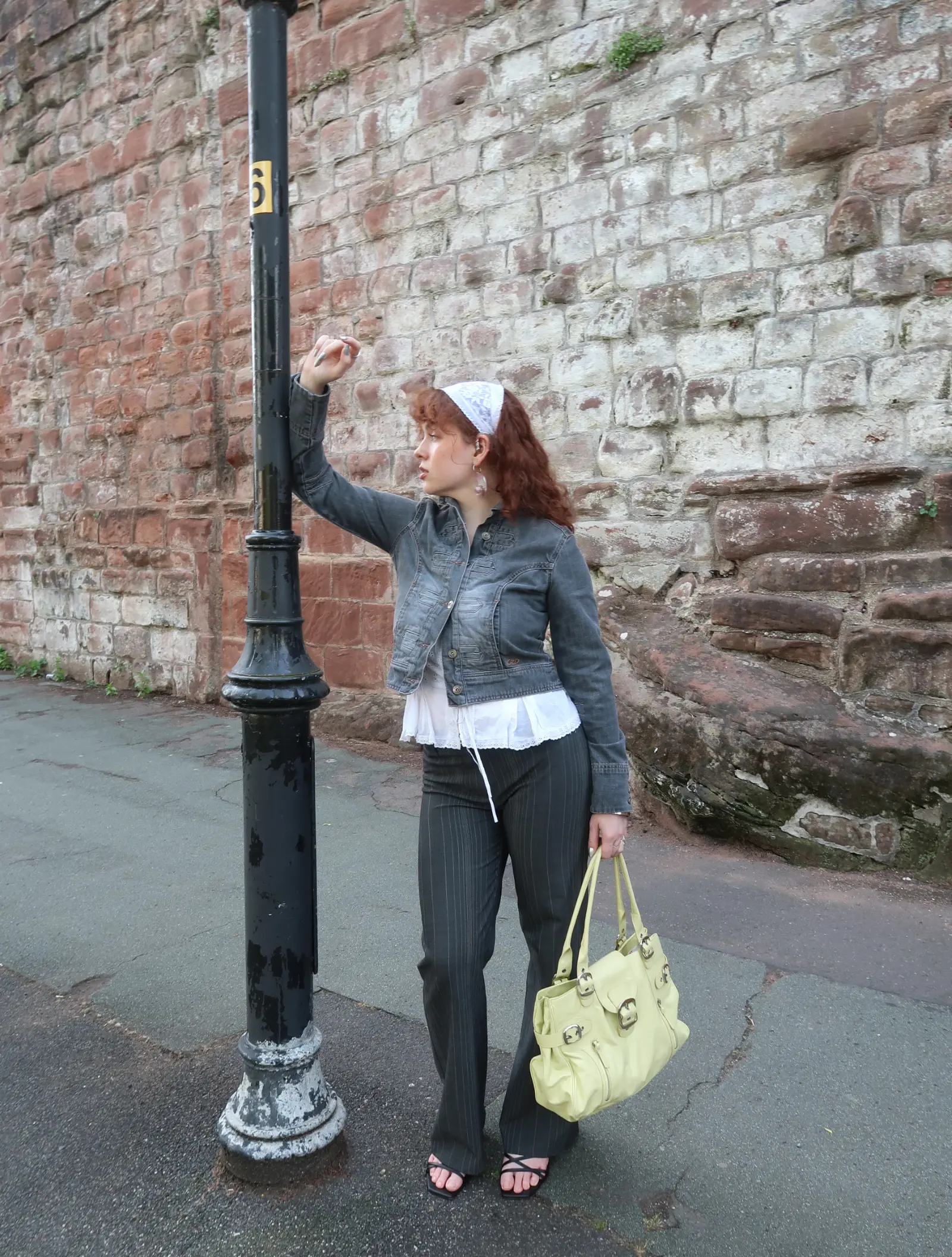
For much of her life, hearing aids were something she tried to hide. Growing up, there were few visible disabled role models in fashion or media. Representation was scarce and seeing deafness reflected positively felt almost impossible. When she first began pursuing modelling opportunities, that lack of representation affected how she saw herself. She remembers applying to a modelling agency years ago and not being accepted. At the time, she took the rejection personally and blamed her deafness. Today, she views things differently.
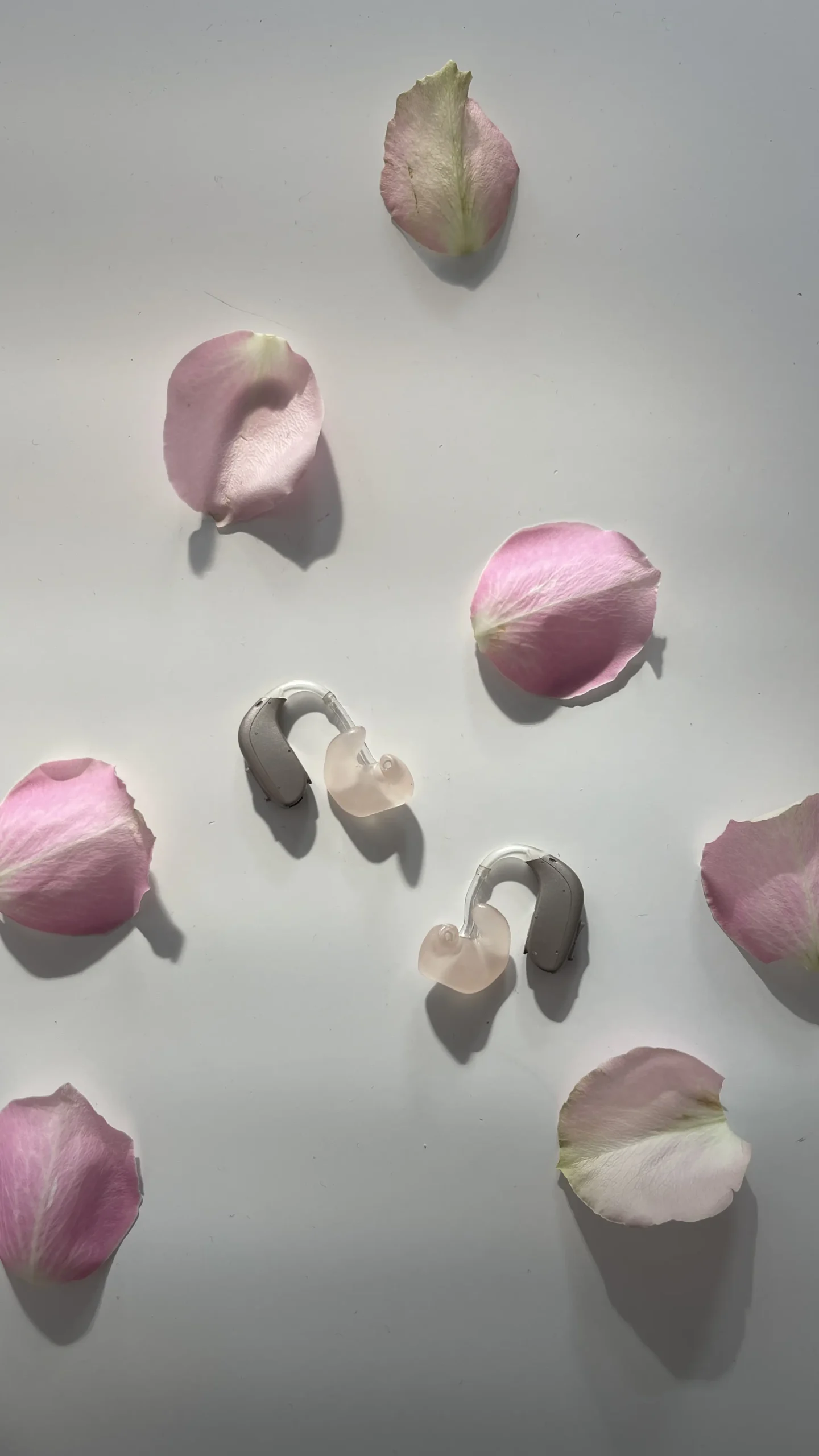
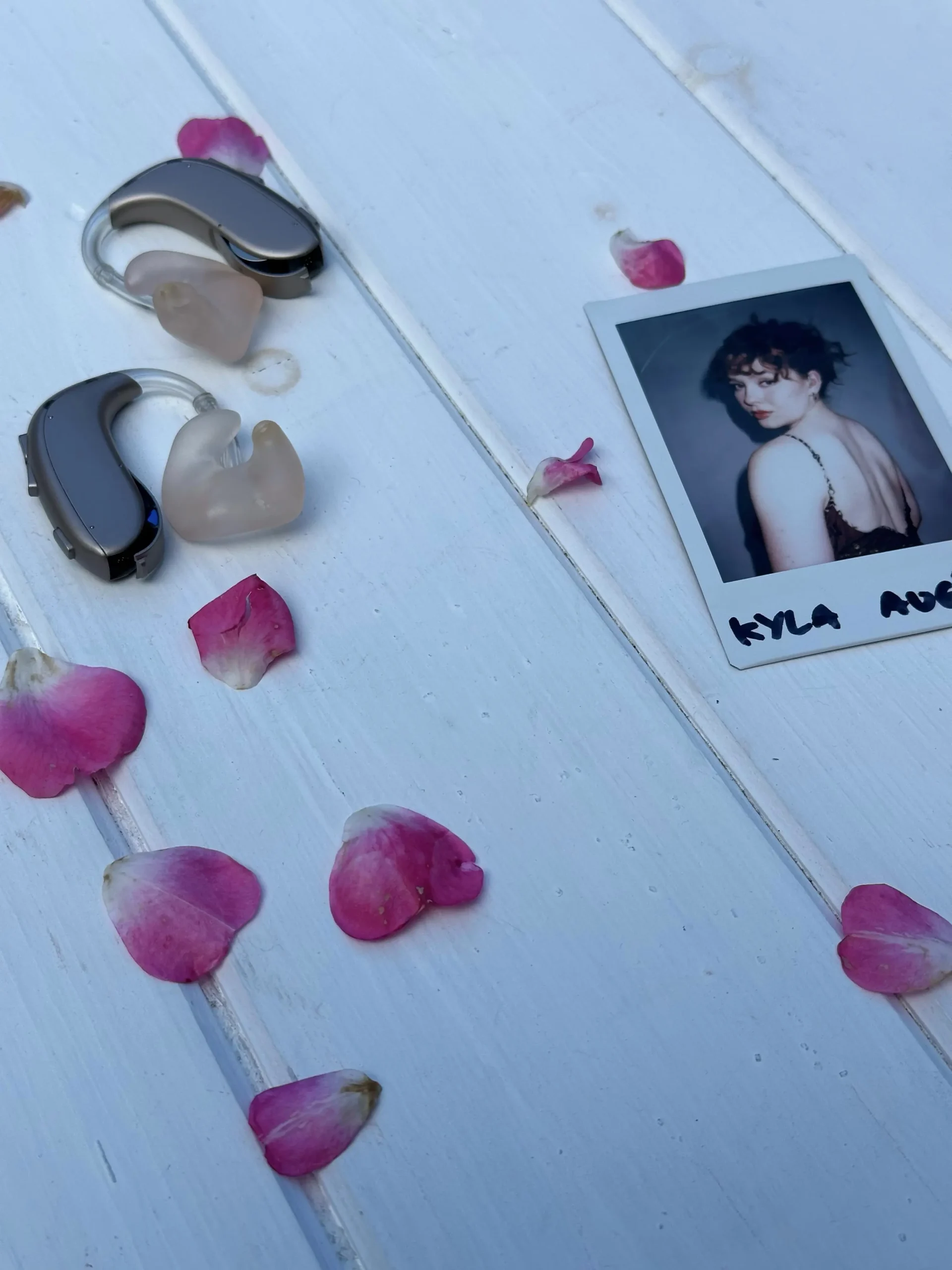
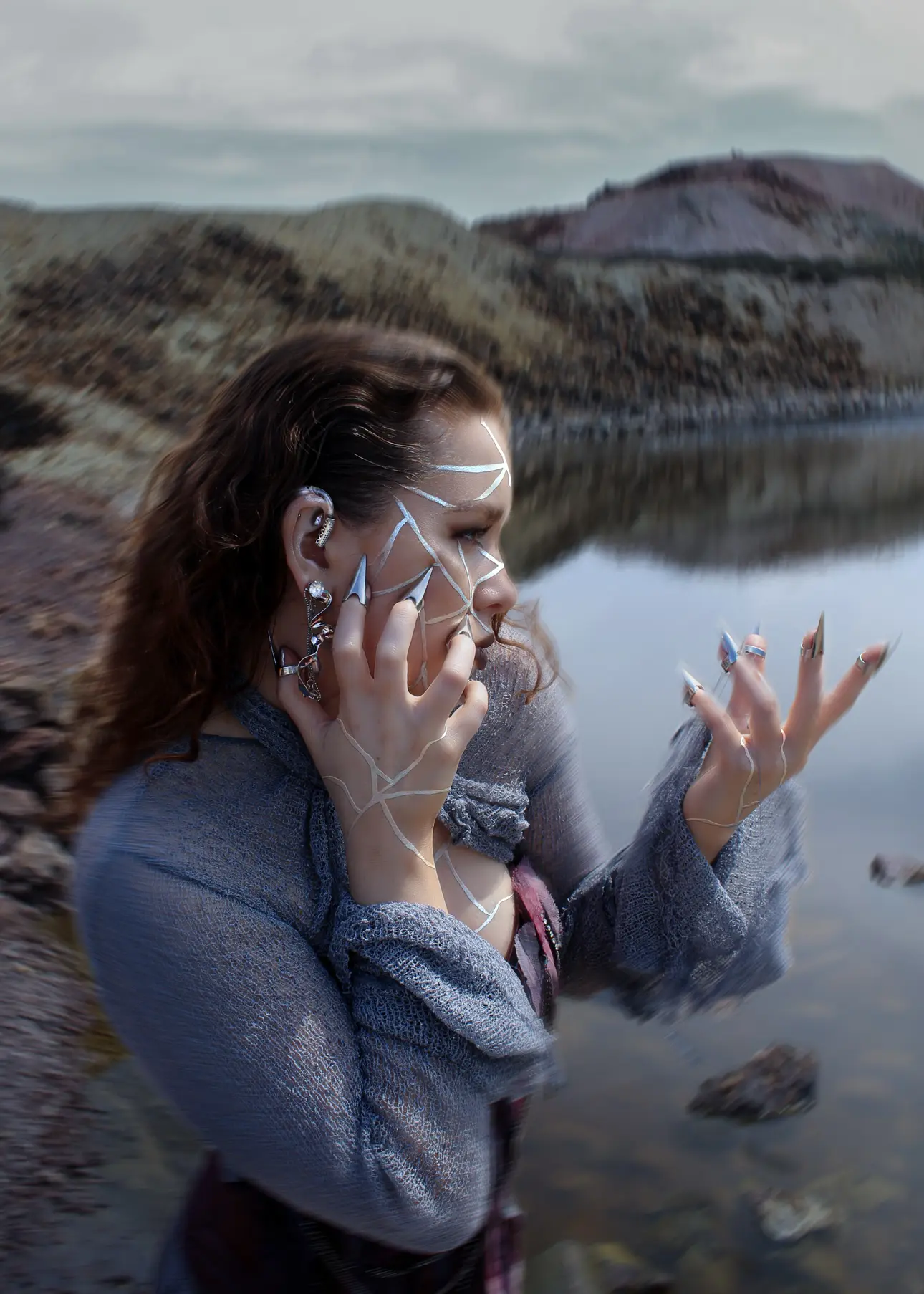
One of the most significant moments in her modelling career happened when a photographer focused specifically on her hearing aids during a shoot. Images highlighting her side profile felt unfamiliar at first. Years of hiding a visible part of herself had left their mark.
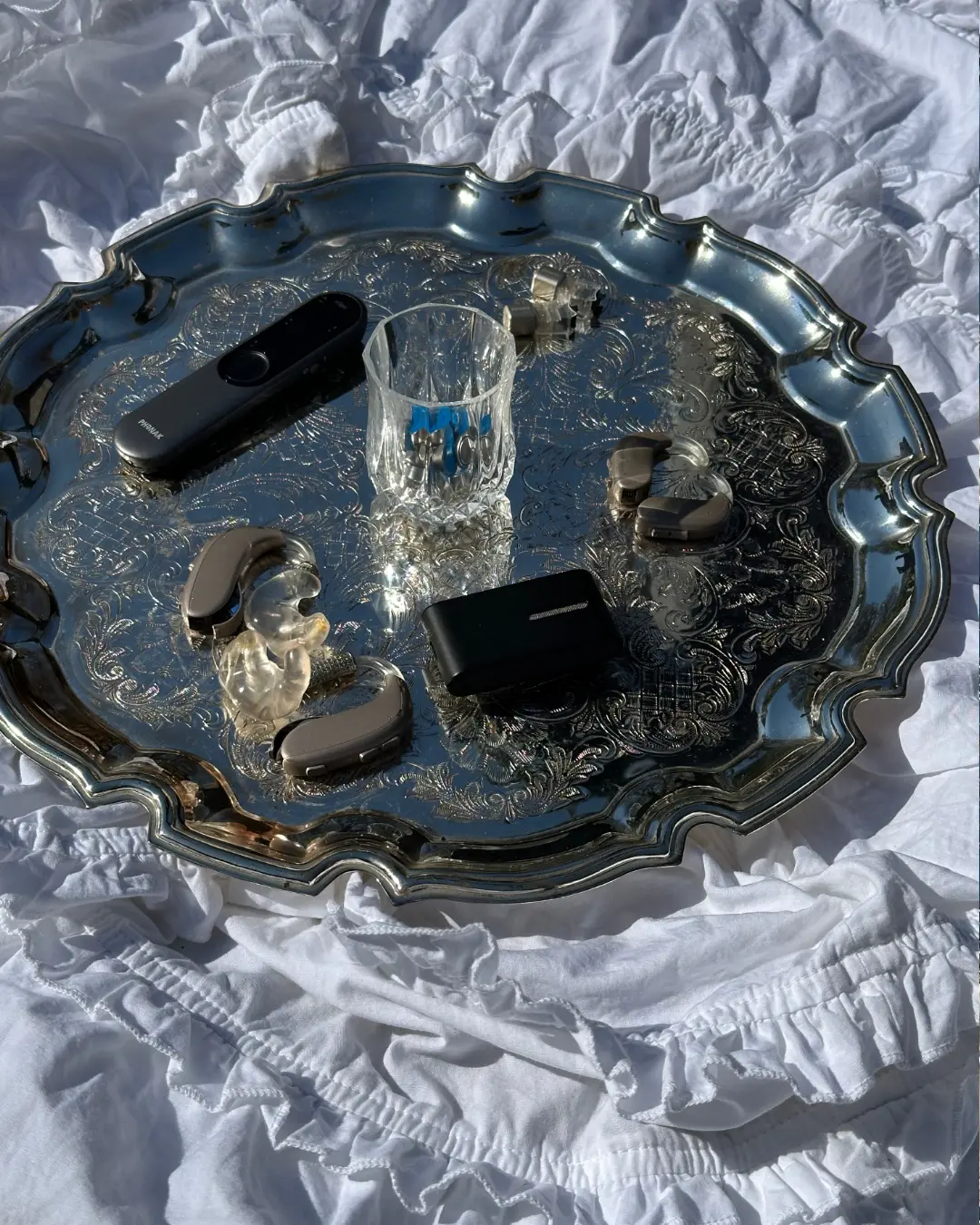
“It was alien to me at first,” she recalls. But something shifted. After a mental pep talk, she embraced the experience. Now, side-profile shots have become some of her favourites. That evolution reflects a broader change in how she thinks about visibility. Rather than minimizing her hearing aids, she increasingly sees them as something that deserves to be incorporated into her style. She compares them to the foundation of an outfit. The devices themselves may be standardized, but what she layers around them allows them to become uniquely hers. She hopes the future brings more options for hearing aid and cochlear implant jewellery, allowing wearers greater opportunities to personalize devices that are often treated as purely medical tools.
That shift is already beginning. Kyla points to designers and creators who are challenging traditional ideas about assistive devices. Among them is Destiny Pinto, whose work transforms medical devices into luxury-inspired fashion pieces. She also highlights deaf-owned brands including AUZI and DEAFMETAL, which create jewellery designed specifically for hearing aids and cochlear implants. These innovations reflect a broader shift. They suggest a future where assistive technology is seen as part of personal identity rather than something to hide or justify . . . where assistive technology does not have to be disguised or apologized for. Instead, it can become part of personal style. That visibility matters because daily life as a deaf person often requires effort that others never see.
Something as ordinary as ordering a coffee can become a complex exercise in observation and concentration. While hearing customers participate in conversations naturally, Kyla finds herself carefully watching baristas, reading visual cues and navigating background noise from grinders and milk steamers.
Sometimes her name is called and she never hears it.
Sometimes a coffee sits waiting while she remains unaware.
“Hearing people get to participate socially by default,” she says. The emotional energy required to constantly monitor surroundings can be exhausting. At times, staying home feels easier than navigating environments designed primarily for hearing people. Those realities influence why representation remains so important to her work.
When she posts content online, she imagines speaking directly to people who love creativity and style but have rarely felt represented by mainstream fashion media.
Disabled people are often absent from fashion campaigns, trend conversations and cultural moments. But that absence is slowly changing. Kyla points to growing conversations around inclusion in fashion, including moments like the MET Gala finally beginning to reflect that message, and says she is encouraged by the industry’s gradual progress. Still, she believes authenticity matters just as much as visibility.
One thing she wishes social media would normalize more often is imperfection. Too much content, she says, presents life as flawless and carefully curated. Real life includes bad days, awkward moments and mistakes. Sometimes those mistakes are memorable.
Like the time she accidentally left her hearing aids on a sink without noticing there was bleach on it. The bleach damaged them beyond repair and she ended up needing a brand-new set. Looking back, she can laugh about it now, even if it definitely wasn’t funny at the time.
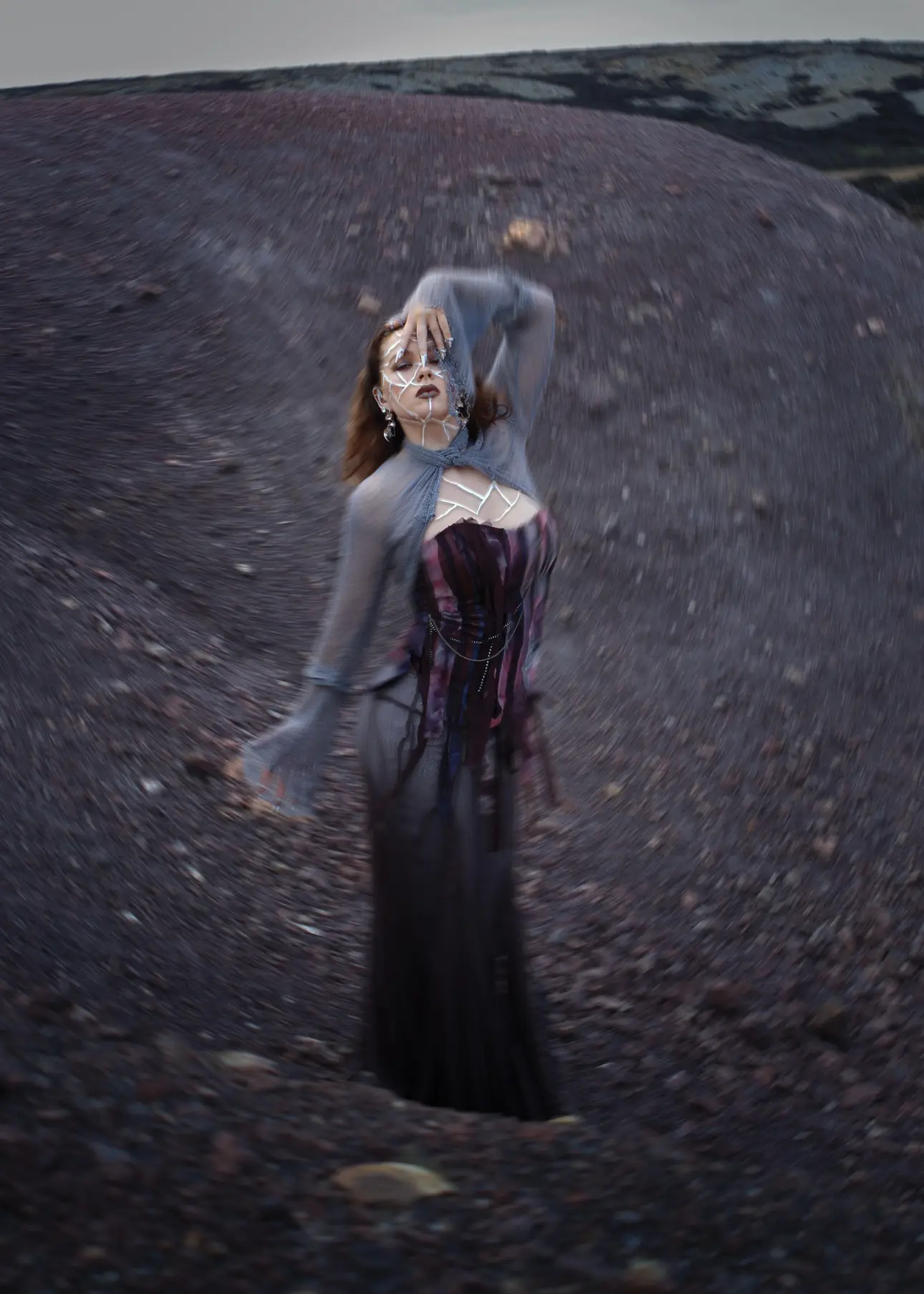
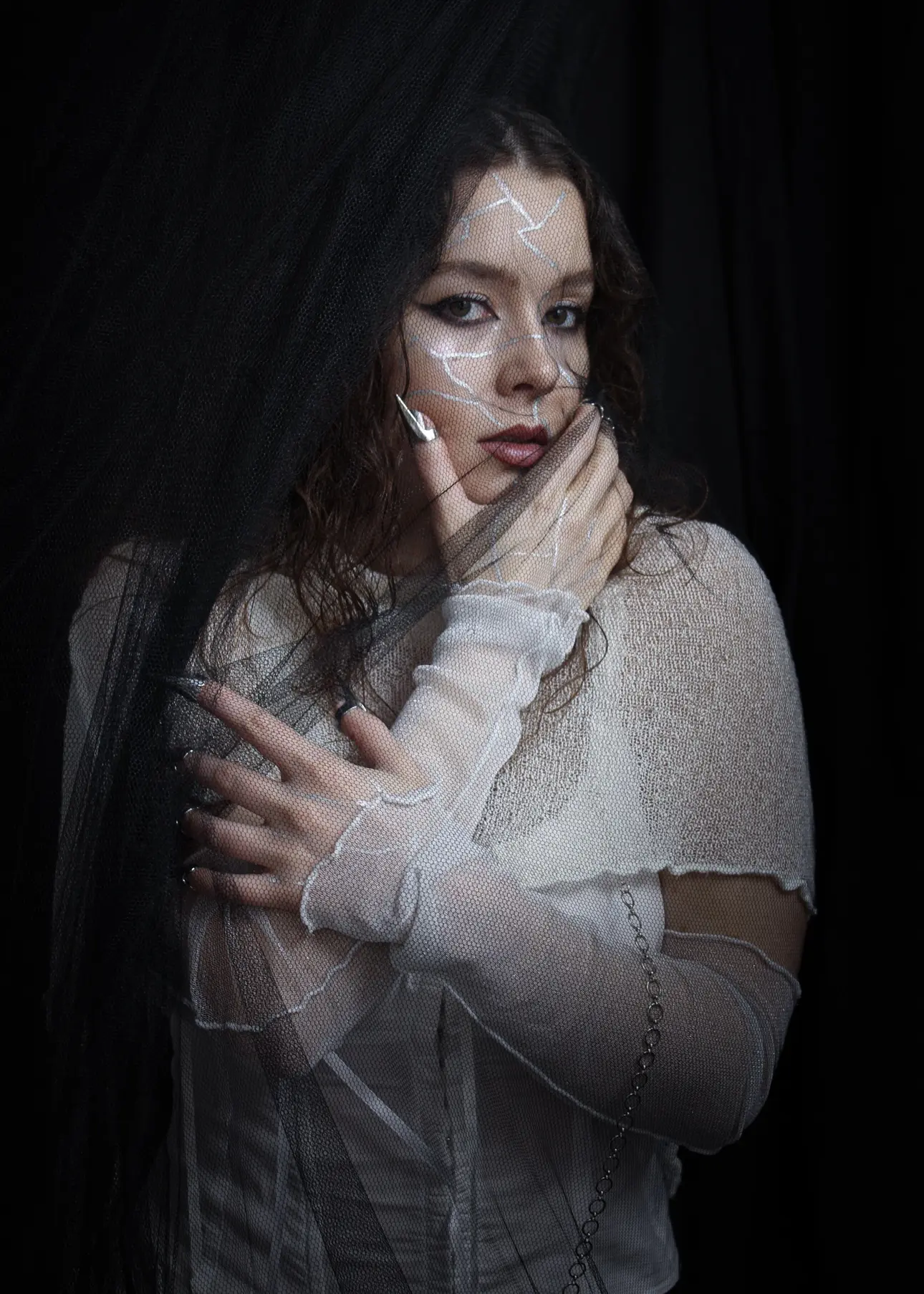
“There’s nothing wrong with being different,” she says.
It took her more than 20 years to fully accept her deafness as part of herself. Once she stopped fighting that reality, life became lighter. That lesson now sits at the centre of everything she creates.
She also has a message for hearing people. Small acts of consideration make more of a difference than most people realise. Lowering background music, repeating something important, sending a quick text to include someone in a conversation, or simply checking in to ask if they need anything. Those small adjustments, she says, can completely change how someone feels included.
Fashion may begin with clothing, but for Kyla it has become something much bigger. It is visibility. Confidence. Identity. A reminder that the things that make us different deserve to be seen rather than hidden. As she puts it: “Embrace the things that make you unique. They deserve to be seen, not hidden.”