








Listen to this Article
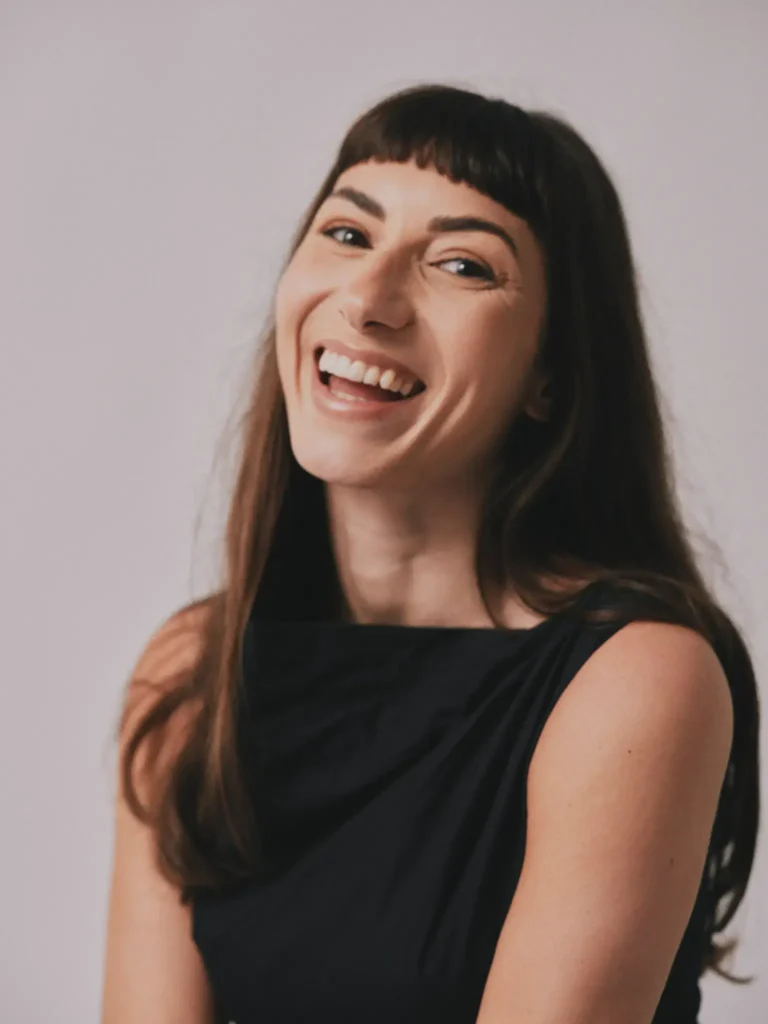
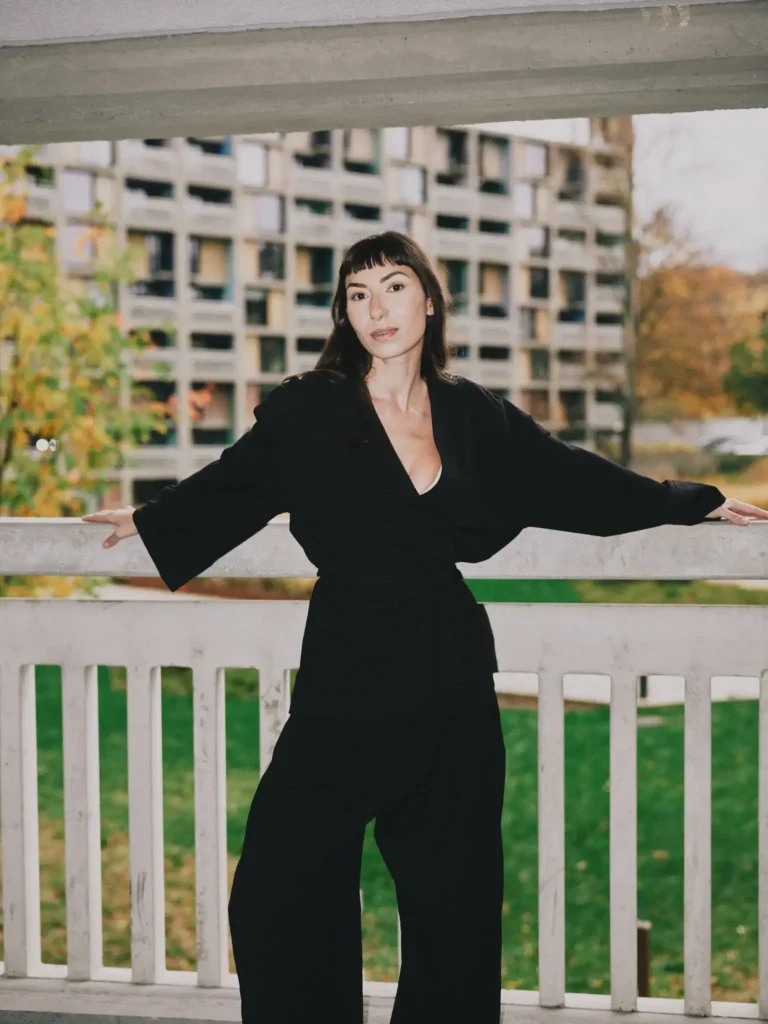
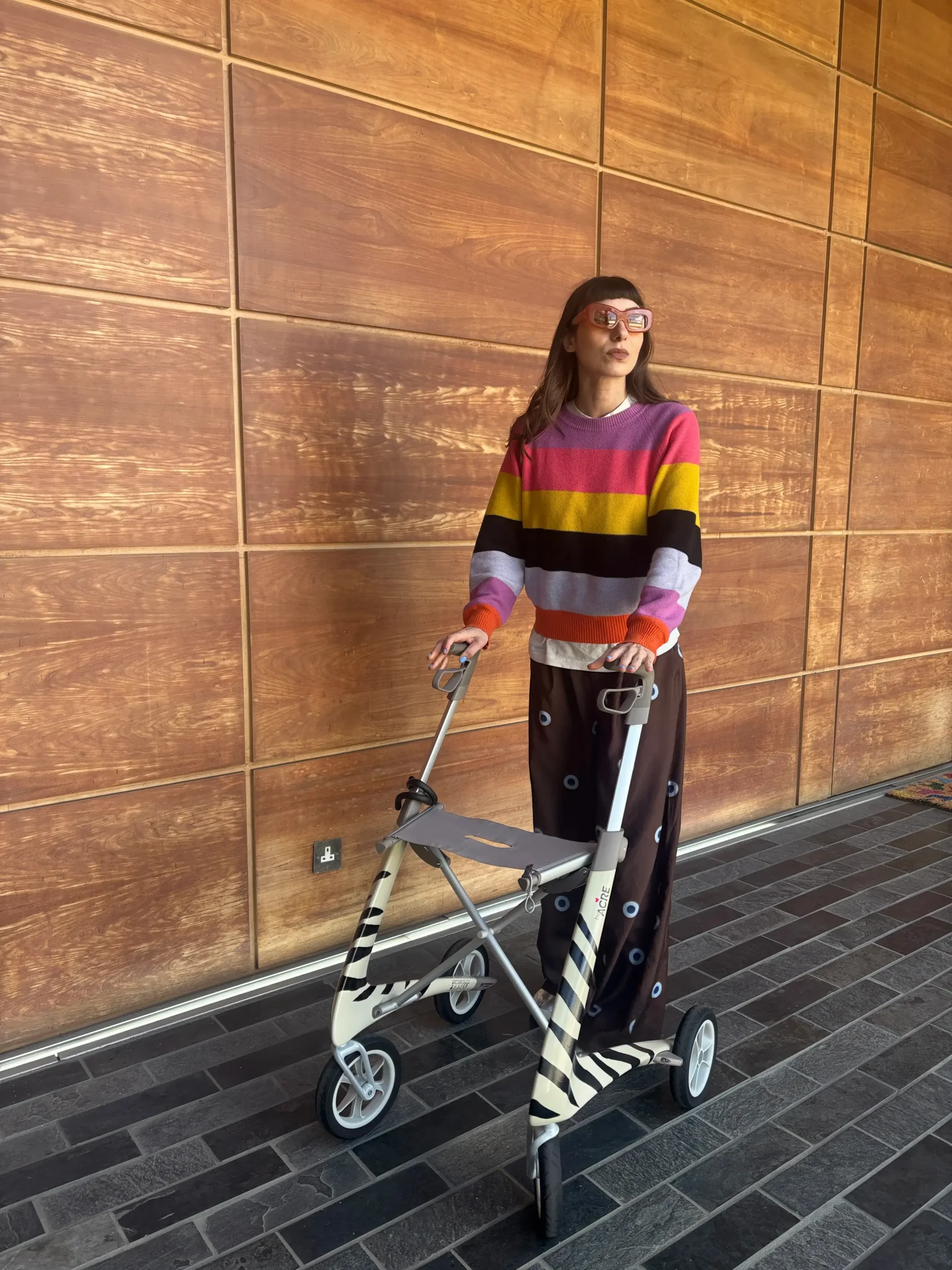
Flic Jackson grew up surrounded by couture. Then chronic illness changed everything, and clothing became something she began to use again as a form of self-expression.
There is a small mannequin somewhere in Flic Jackson’s memory. She was a child spending school holidays in her grandmother’s workroom, piecing together scraps of fabric from couture bridalwear and evening gowns her grandmother had designed in Hong Kong and China in the 1970s. Her mother is a textile agent who shows at Première Vision in Paris. To this day, they both still make clothes and work in textiles. Fashion, in the Jackson household, was simply part of everyday life.
By her early twenties, Flic had opened a bridalwear studio in Manchester’s Northern Quarter, launching in 2013 alongside Vogue’s Fashion Night Out as the only independent store in the city to collaborate with them. She travelled to New York for Bridal Fashion Week and met brides from Russia, Hong Kong, and across Europe. “I loved meeting women who were so confident in their own style,” she says. “It was really inspiring.”
Flic is now 34 and lives with a constellation of chronic conditions, including FND, MCAS, PoTS, chronic migraine and ME/CFS, with further investigations ongoing. She is approaching five years of illness. “When I became ill,” she says, “it felt like a huge part of my life had been ripped away.”
Lost and found
In the early months of becoming unwell, she was living out of a suitcase between her parents’ home and her boyfriend’s because she couldn’t manage living in her flat. “It hadn’t hit me that this was going to be my life,” she says. “I thought it would just wear off like side effects usually do.”
As time went on, she stopped doing small parts of her routine, cutting her fringe, going to salons, getting dressed in the way she used to. “Once my micro fringe had grown out, I felt like I’d lost myself.” And gradually, “I stopped recognising myself.”
About two years ago, during a flare that had lasted nearly four months, she left the house for the first time in a long time to get her nails done, in sweatpants, a hat and sunglasses (what she calls “spoonie staples”). A street style photographer stopped her. He took some pictures and then asked what she loved about herself, physically and mentally.
“I told him I was most proud of my resilience,” she says. “But I couldn’t think of anything physically because I’d gotten to the point where I didn’t recognise the person looking back at me in the mirror.”
When she got home, she thought about what he asked her. “I wondered whether getting dressed could improve my mental health. The journey started from there.”
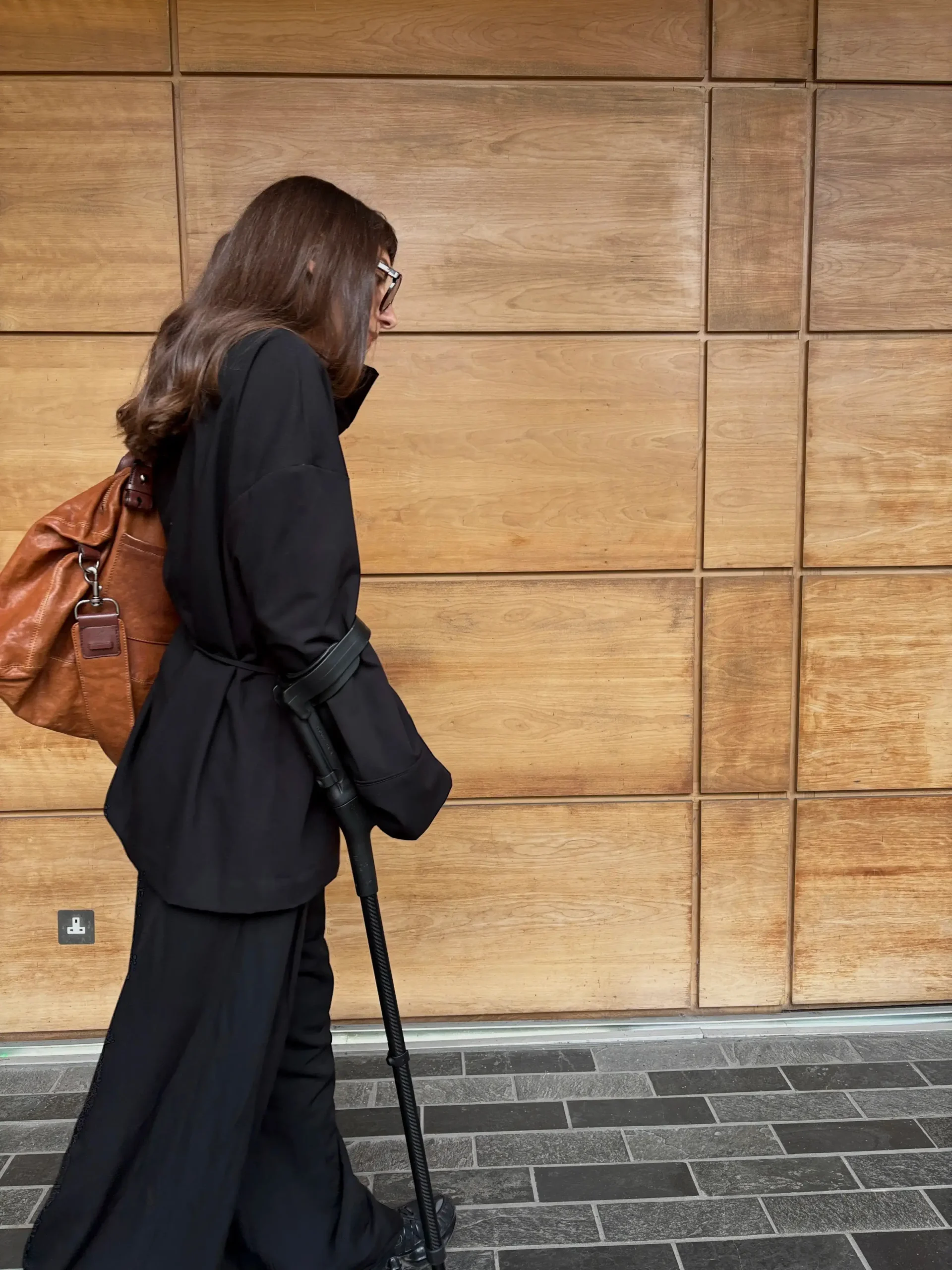
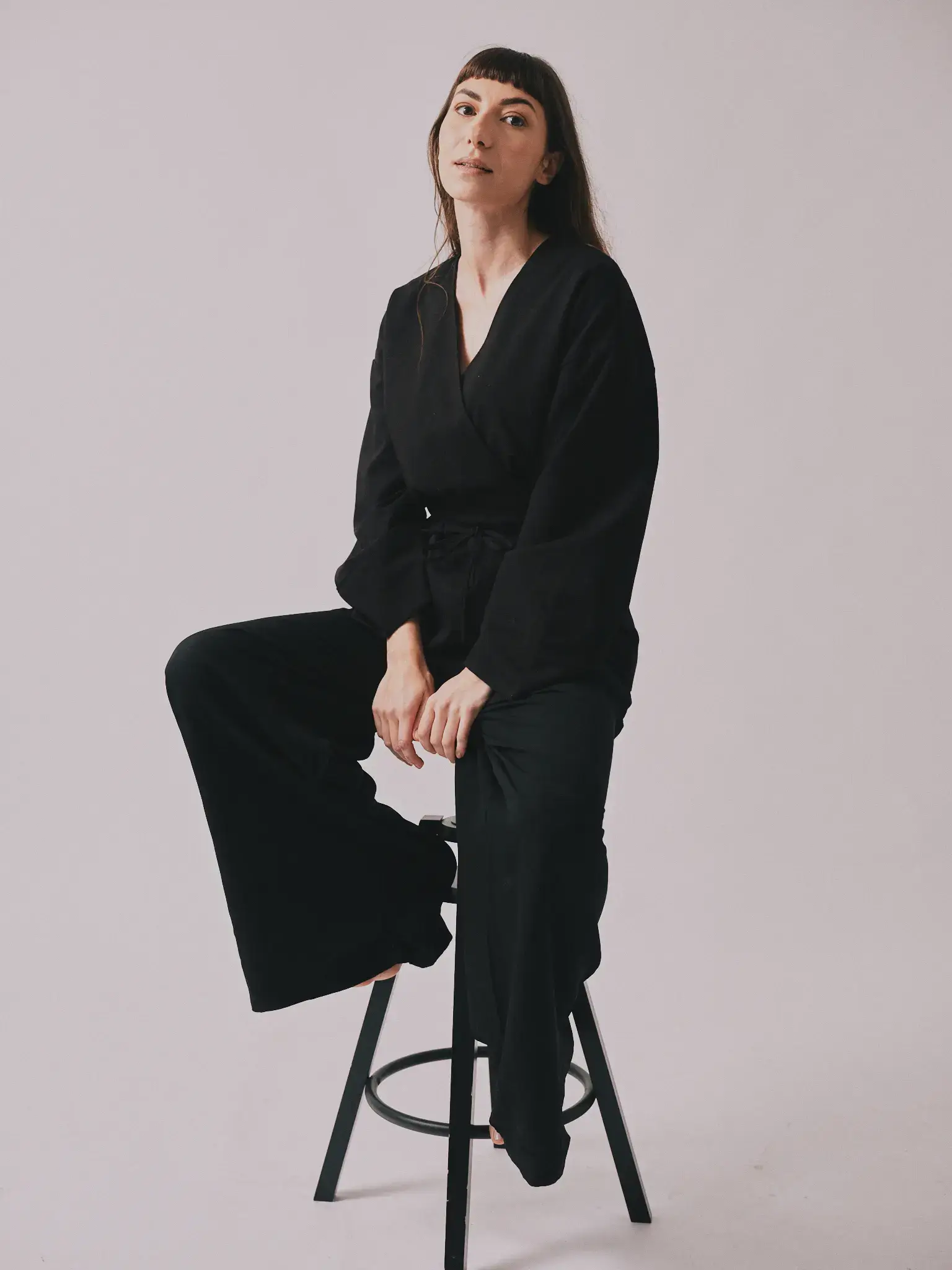
Enclothed cognition
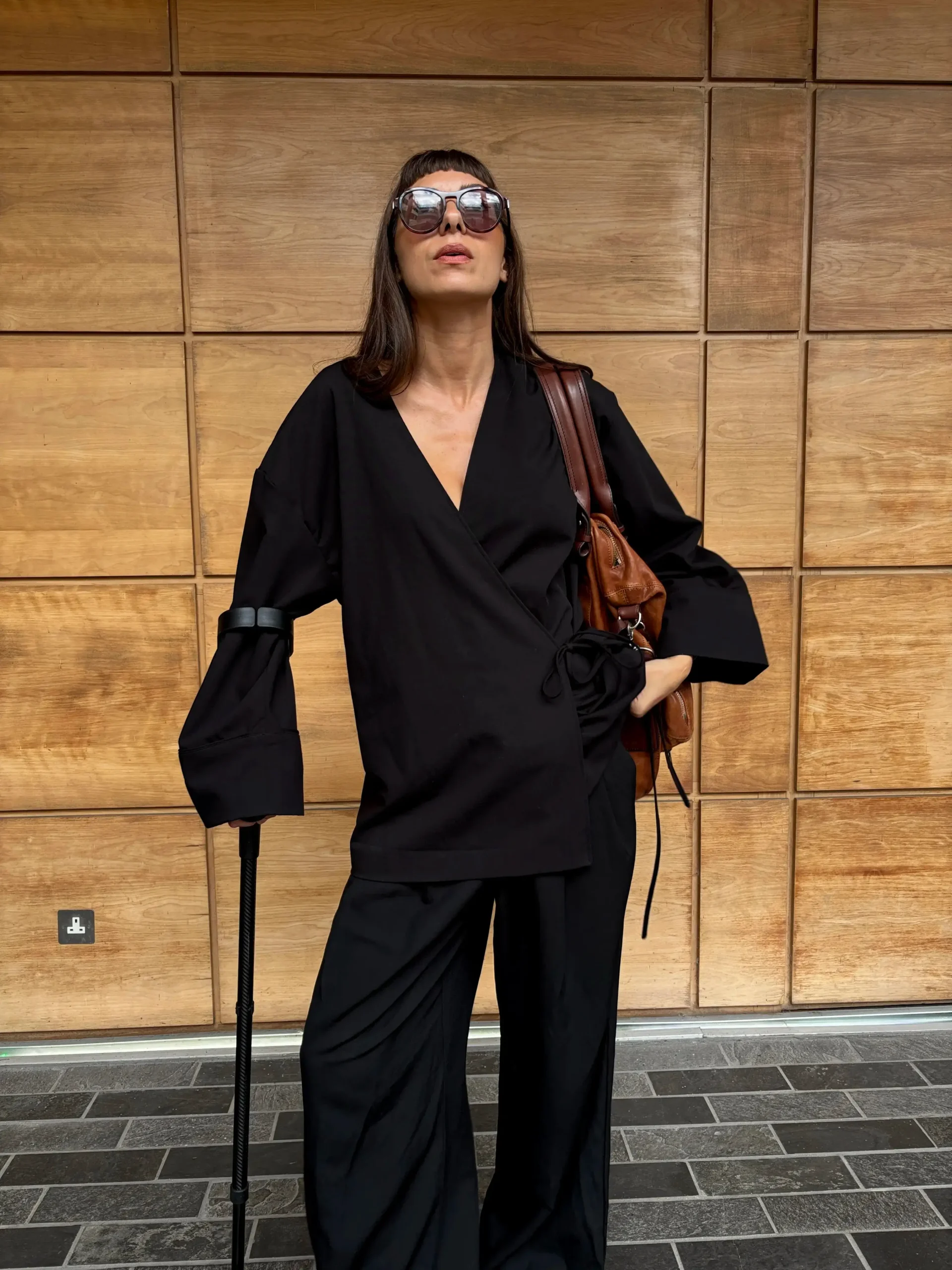
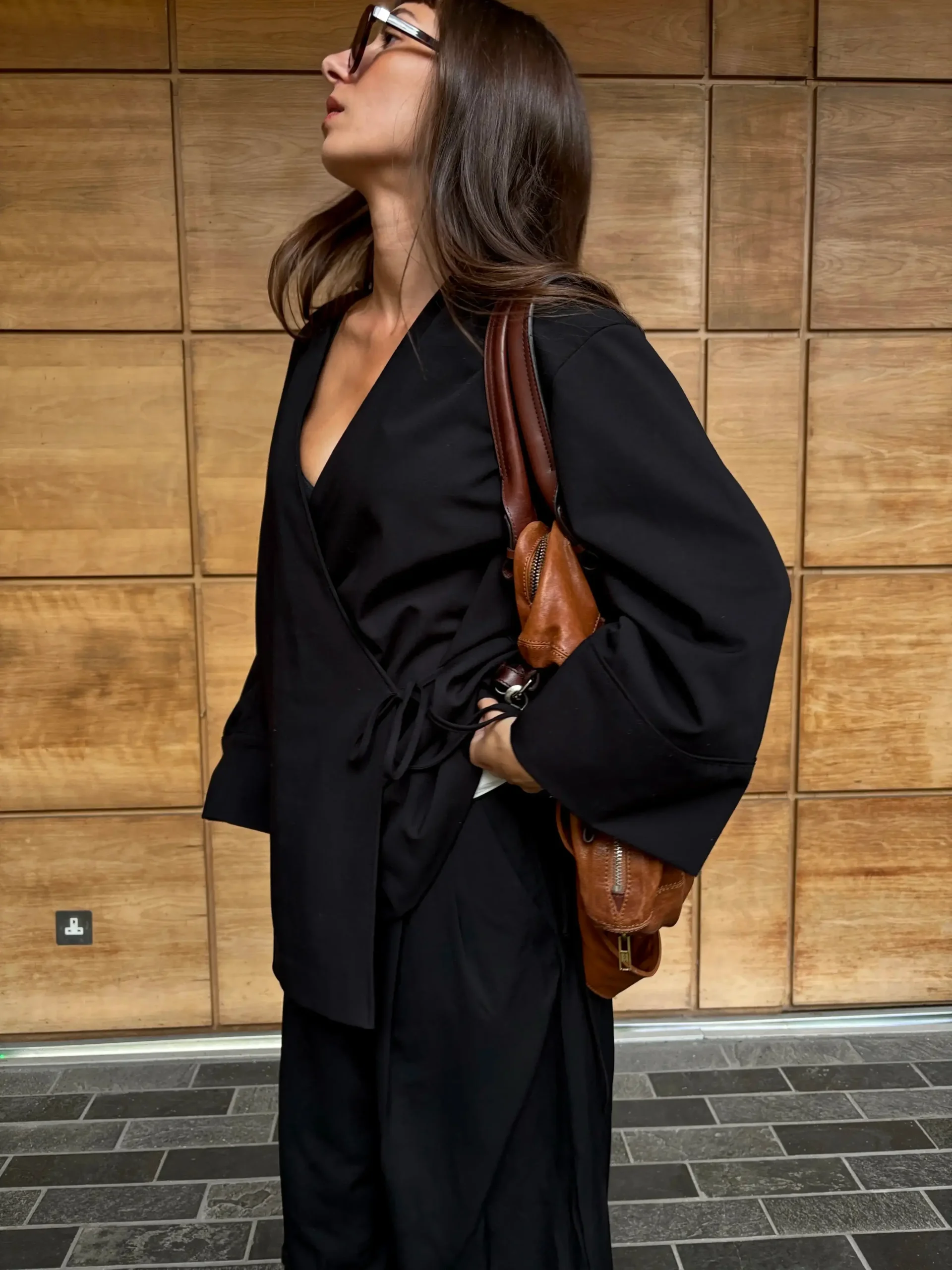
Flic is interested in a theory called enclothed cognition, the idea that what you wear can help regulate your nervous system by signalling safety to your brain. It informs the way she thinks about getting dressed now, not as an obligation, but as something that can work in her favour on the harder days.
“If I am physically unable to get dressed, or I have other things that require my energy, I don’t stress about it,” she says. “But on the days my brain feels chaotic, I’m more likely to push myself to get dressed.” She tries to treat it as a small creative act rather than a chore. “That way I don’t beat myself up as much if I can’t do it.”
She is also very clear about reality. “I don’t get dressed every day. I spend days in the same pyjamas and also need my partner’s help getting dressed at times.”
“It’s really difficult to explain to someone who hasn’t experienced long-term illness how disconnected you feel from yourself and how much you grieve your old life. Things that you used to enjoy start to seem pointless and everyday tasks feel like an Olympic sport.”
She says: “In a world that pushes wellness culture, where everything health-related is so expensive, putting on a cute outfit can be more healing than you realise and doesn’t have to cost any money.”
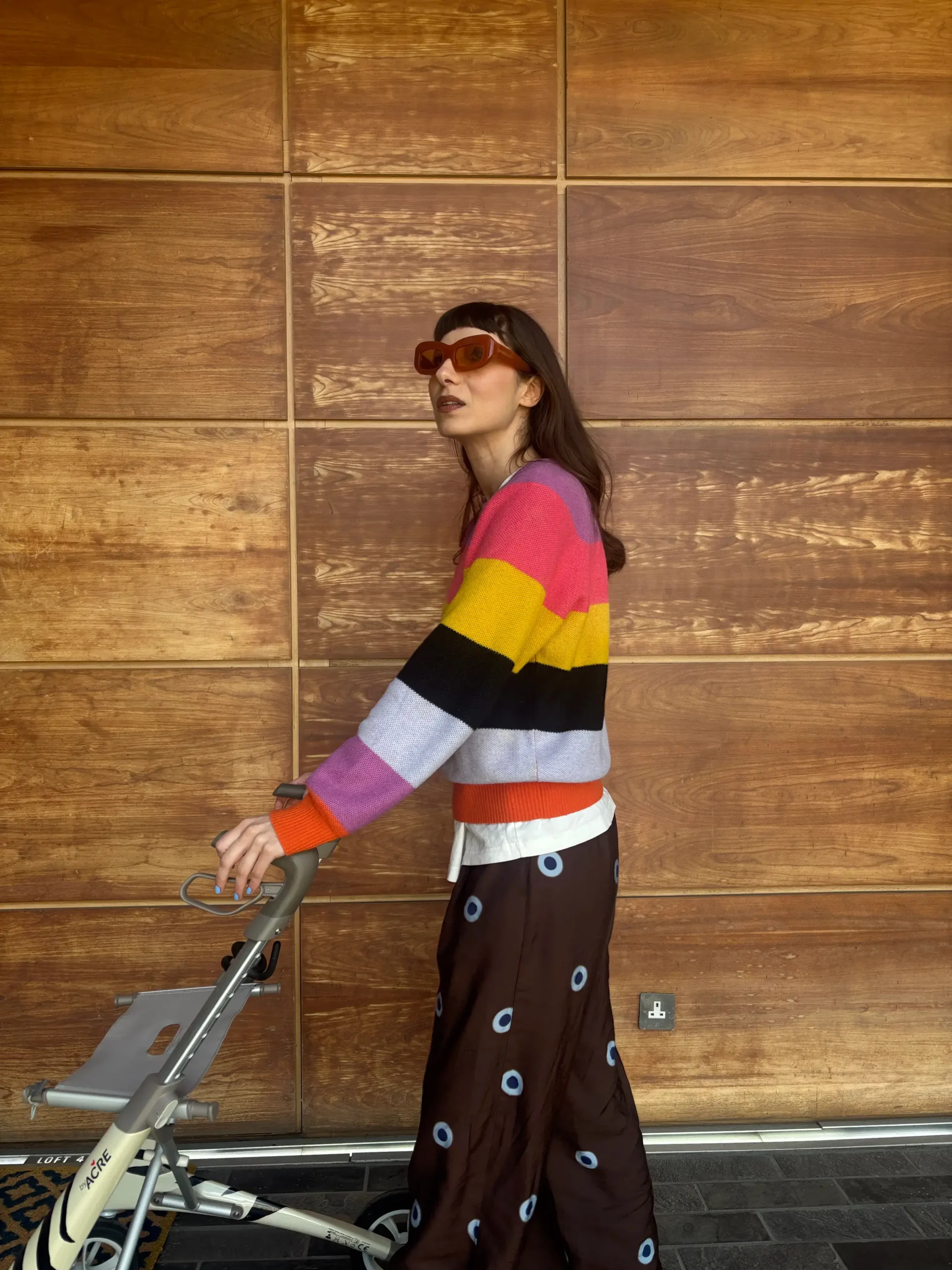
Small joys
After her nails began to deteriorate and her hands became swollen, Flic went to a sample sale for July Child, a Manchester-based jewellery brand known for its fun, nostalgic pieces. She went specifically because it was a sale. “There was a part of me that felt like I didn’t deserve nice things just because I was sick.” She bought two rings because she couldn’t bear to look at her hands.
“When the rings would fit, I would wear them. It was so nice to look at my hands and see joy rather than pain.”
She is not prescriptive about what the entry point should be. A piece of jewellery. A favourite lipstick. “This isn’t about pushing yourself into a flare, but finding small joys.”
Clothing that works
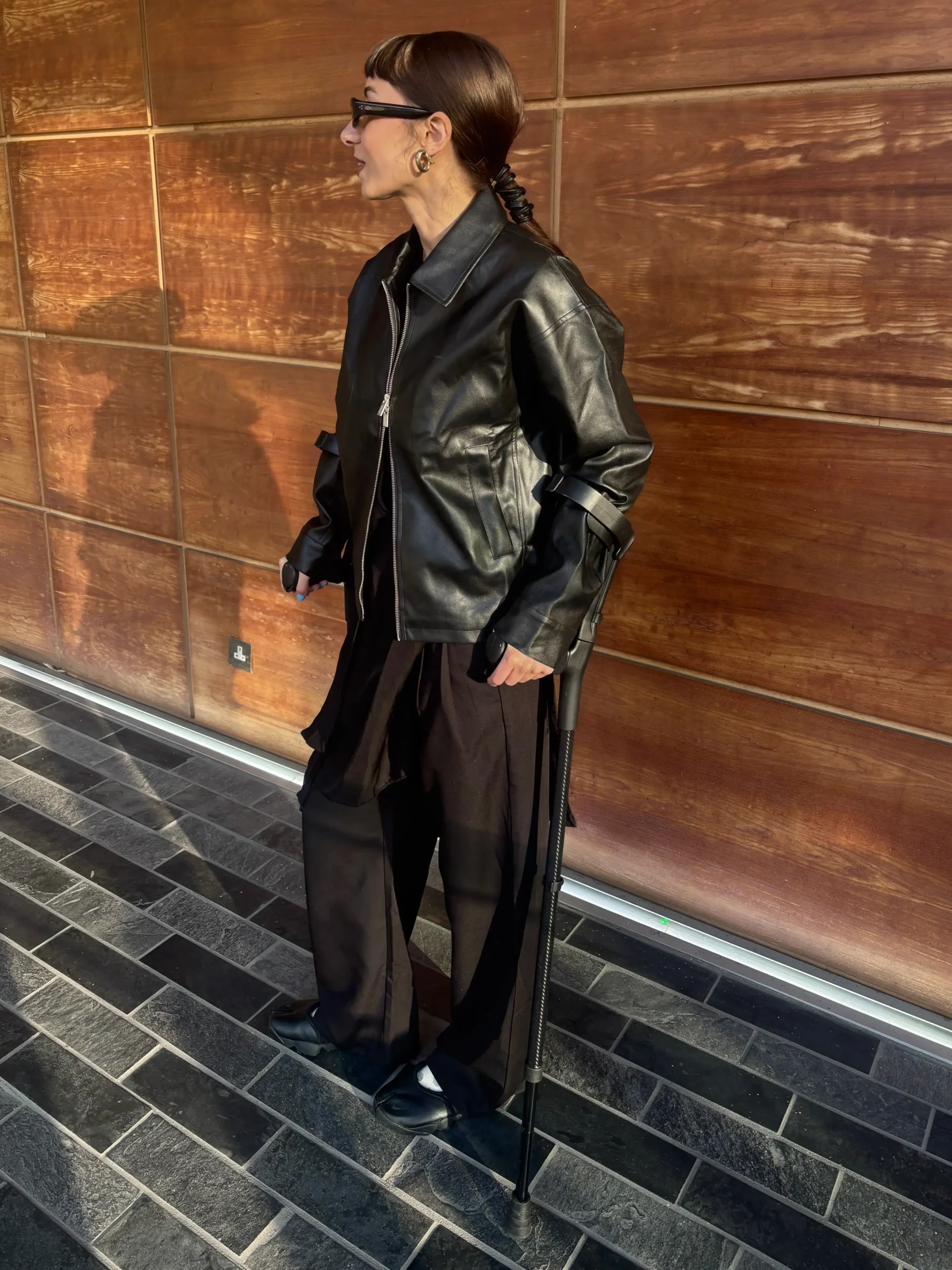
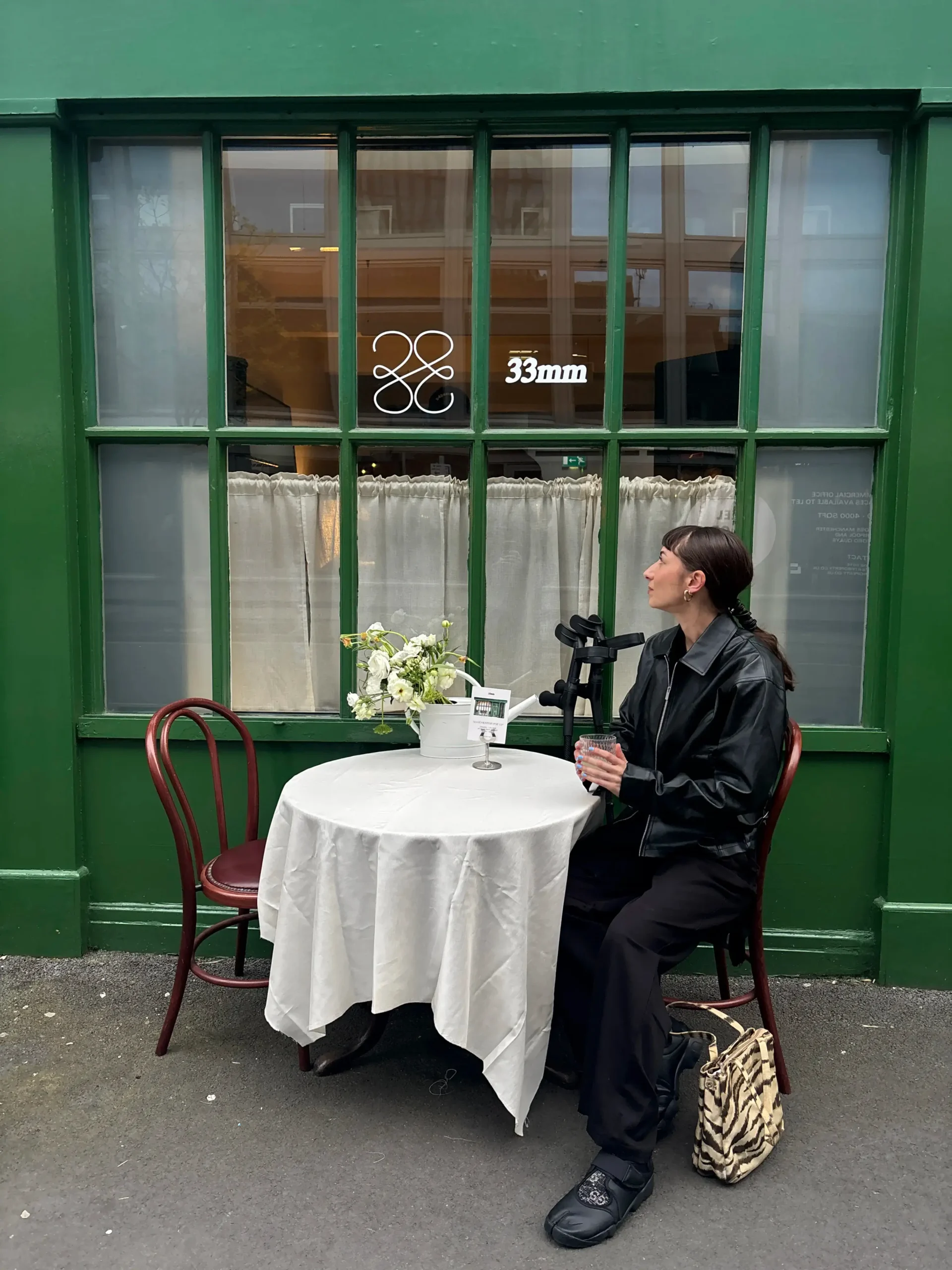
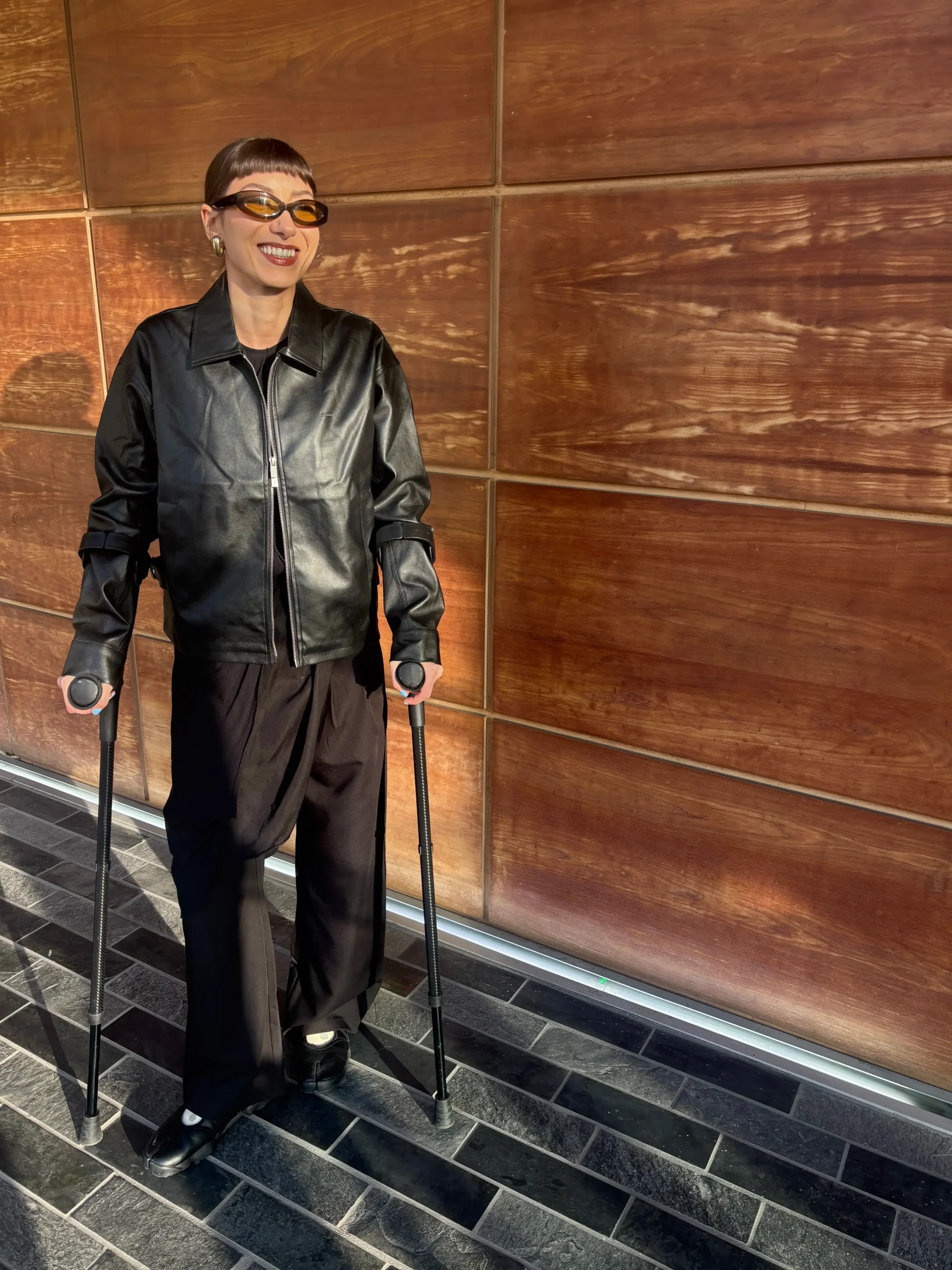
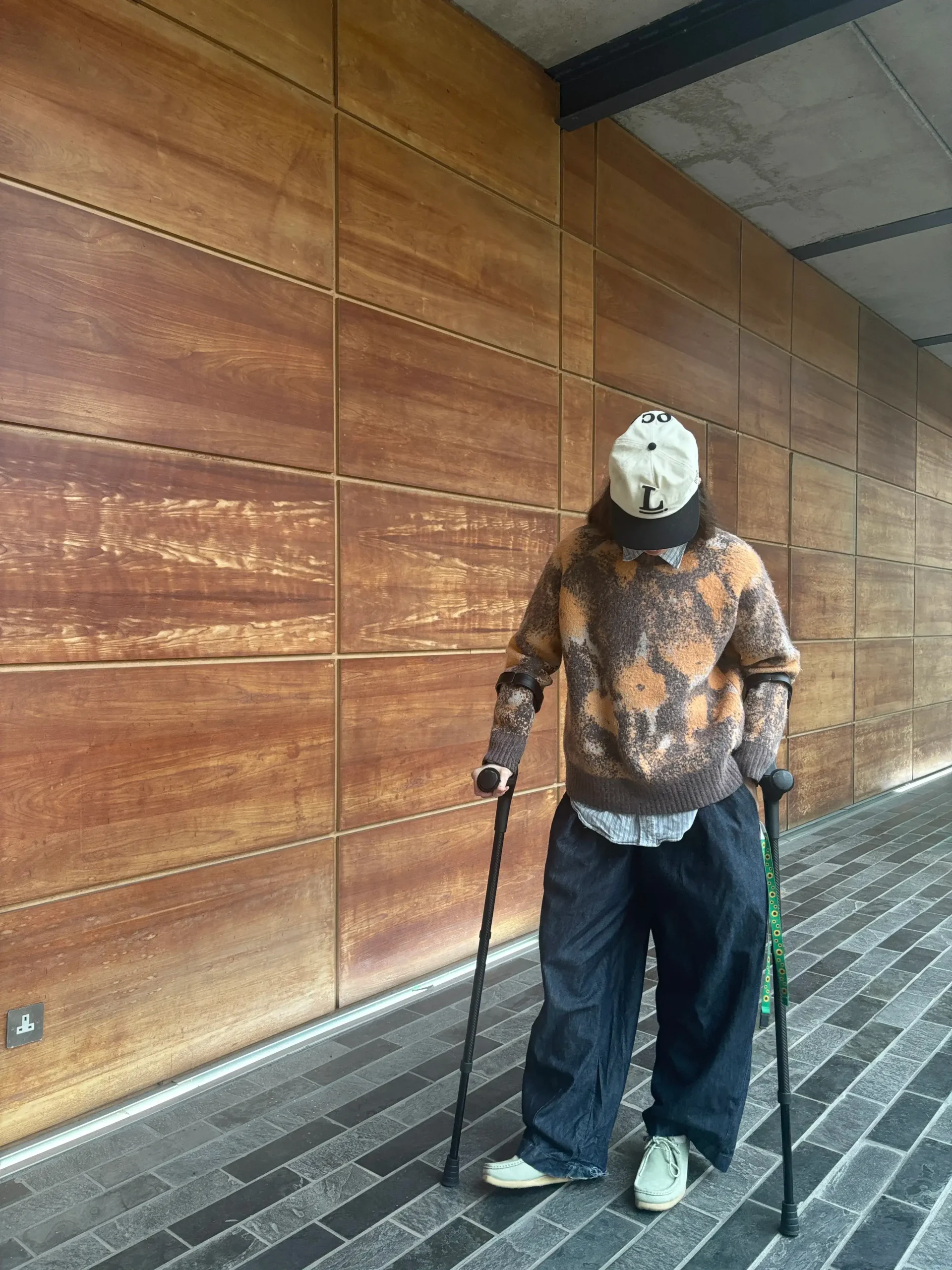
When it comes to building a wardrobe around her symptoms, Flic has thought about it carefully. She wears the Nike Rift, a Velcro shoe with a tabi-style split-toe design she found second-hand on Vinted for under £20 a pair. She loves the BDG Cocoon jeans, oversized barrel-leg with an elasticated waist and drawstrings, also sourced on Vinted for £6. “Buttons are too fiddly when my hands aren’t functioning. I like things that are easy to get on and off but still make a statement.”
Natural fibres are non-negotiable. She has dysautonomia and psoriasis, which makes temperature regulation a constant challenge and certain fabrics uncomfortable on her skin. Linen, cotton, silk. Loose and oversized, always. “I’m very conscious of my tremors and feel like they aren’t as noticeable with baggy clothes.”
She rarely shops in person now and uses Vinted to search by style and fabric from home, without the overstimulation of being in a store. Her wardrobe has reduced since becoming unwell. “Shopping sustainably and for what you actually need means you’re not enticed to spend for the sake of it, and there’s no better feeling than finding a thrifted bargain.”