Listen to this Article
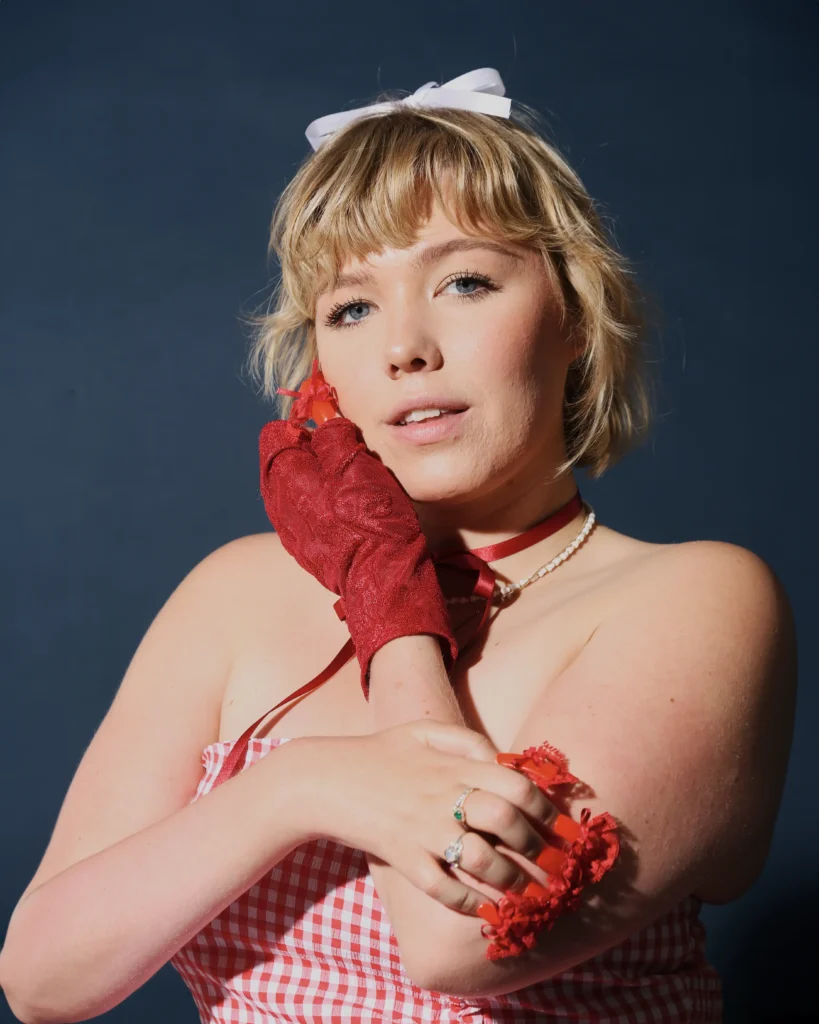
Emma Lines did not grow up imagining herself in fashion campaigns, on public stages or becoming one of the voices pushing fashion to see disability differently. At 17, Emma’s disability changed unexpectedly. Until then, she had walked with leg splints and found ways to move through the world on her own terms. After developing an abscess, she lost strength almost overnight. The change was sudden and disorienting, leaving her feeling lost, isolated and unable to imagine the career in modelling, content creation and public speaking that would later become part of her life.
At the time, Emma says she was told she would never work. But she was also made to feel that the daily care she needed after her disability progressed was not as urgent or important. The future did not look like modelling, content creation, Parliament, Cannes Lions or campaigns with some of Britain’s most recognizable fashion brands. It looked uncertain and isolating, shaped more by what other people said she could not do than by what she had been given the chance to dream.
Emma did not set out to become one of the UK’s most visible wheelchair models. In fact, she says she only recently learned that people were describing her that way. The recognition still feels surprising because none of it was planned. Her route into fashion began when her aunt sent her an article about an inclusive modelling agency and suggested she apply. Emma said no at first. A few months later, when the agency’s books opened, she sent in photographs because she felt she had nothing to lose. She was invited for headshots and, in her words, “the rest is history.”
Before fashion became a career, beauty was her creative anchor. Makeup gave her independence when other parts of life felt limited. During the years when she was going up the stairs on her bum and crawling around her house, she kept a stool on the floor with her makeup arranged around her. It became a private studio, a place where she could still create.
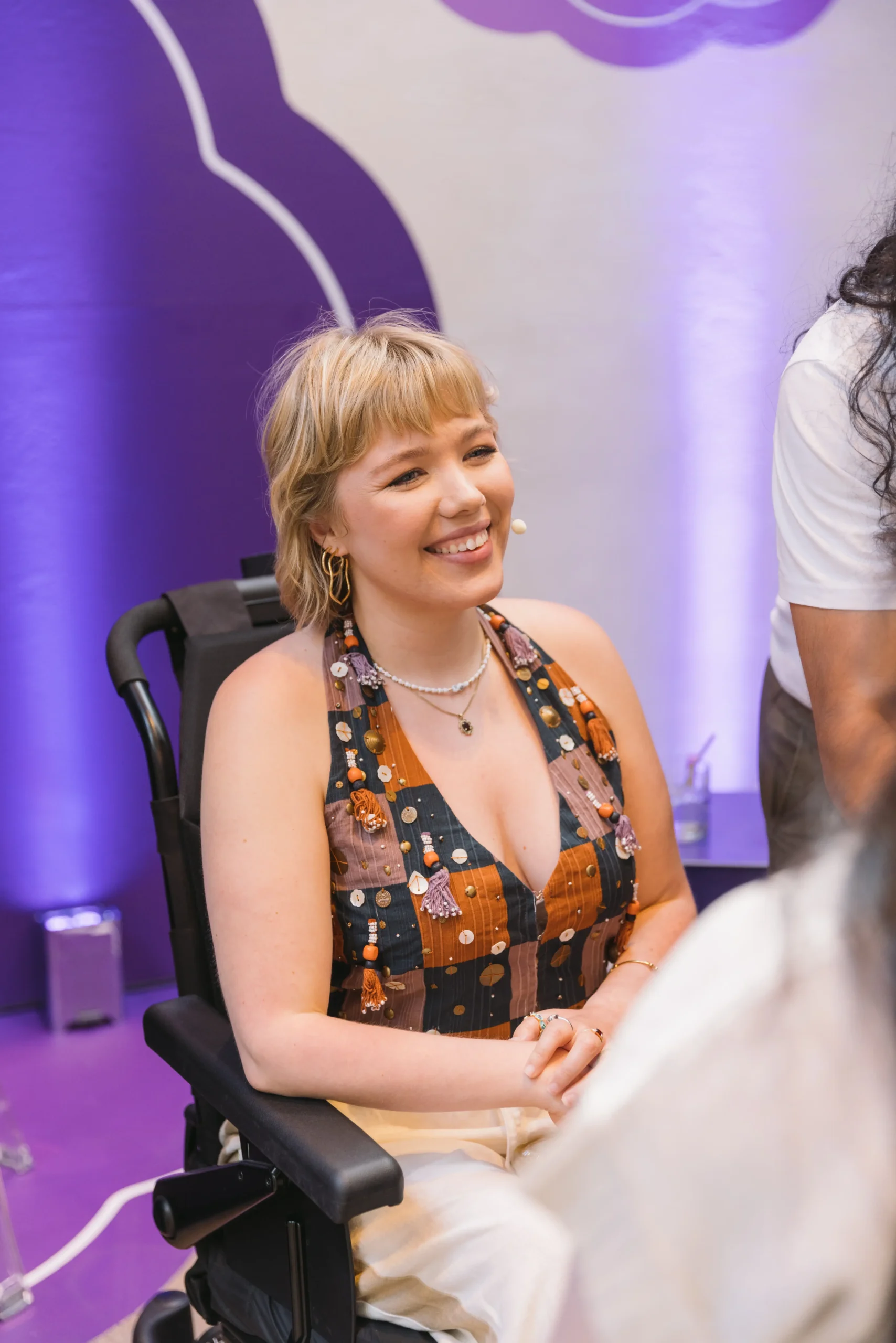
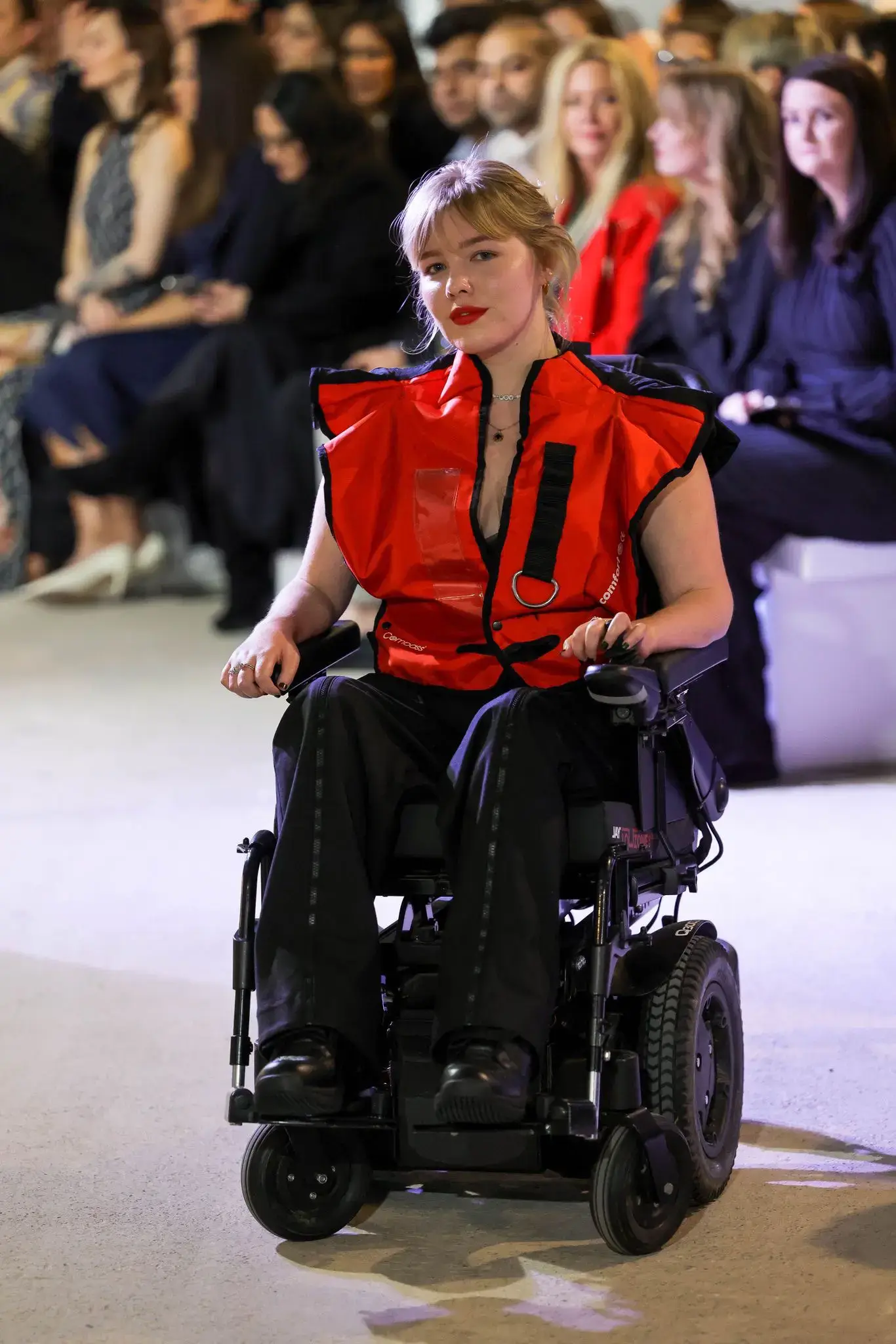
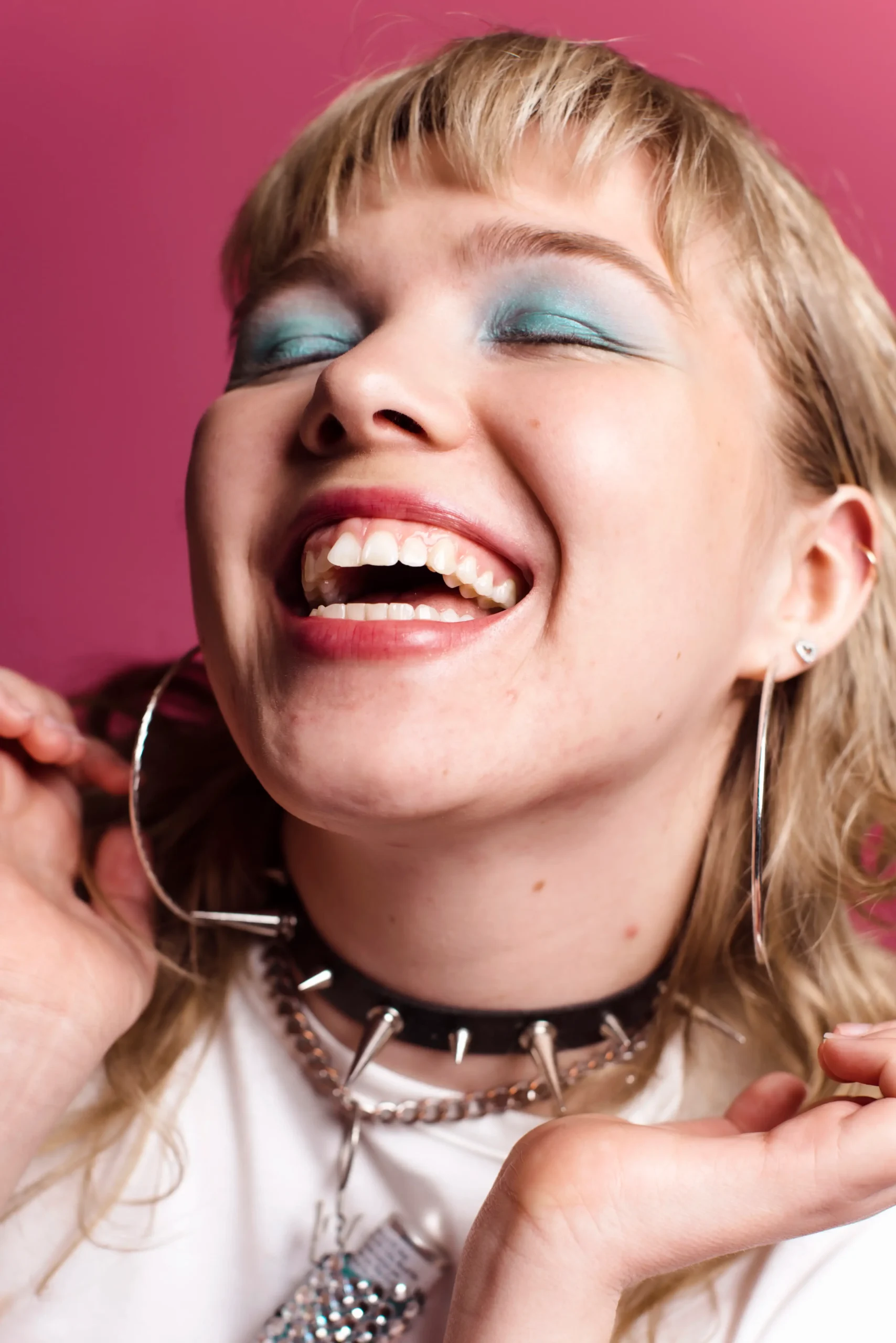
Fashion came later. For a while, Emma dressed to disappear, choosing baggy clothes because she struggled with her body and did not want to be seen. Instagram changed that. During winter lockdown, she began taking photographs in her hallway. What started as something she could control soon became a way to experiment with style, confidence and visibility.
“I never saw anyone like me in this world,” she says. Yet the hallway photographs opened something. Fashion helped her stop hiding from difference and begin working with it.
Her early work with brands such as ASOS and Next came when adaptive representation was still poorly understood. Emma says brands are often afraid of getting inclusion wrong, but she does not see accessibility as mysterious. It starts with communication. Ask the questions, listen to the answers and make the adjustment!
She remembers one brief that instructed models not to obstruct the clothing by sitting down. For many models, that line may have passed without comment but for Emma, that instruction stood out because it revealed how easily fashion defaults to a standing body. She went back to the brand and pointed out the obvious: she would be sitting in the clothes because that is how she wears them. The brand removed the wording. Emma was not offended by the exchange, but what stayed with her was the larger problem. A line like that could sit in a fashion brief without anyone questioning it. Before the shoot even began, the language had already made an assumption about whose body the clothes were being styled and photographed for.
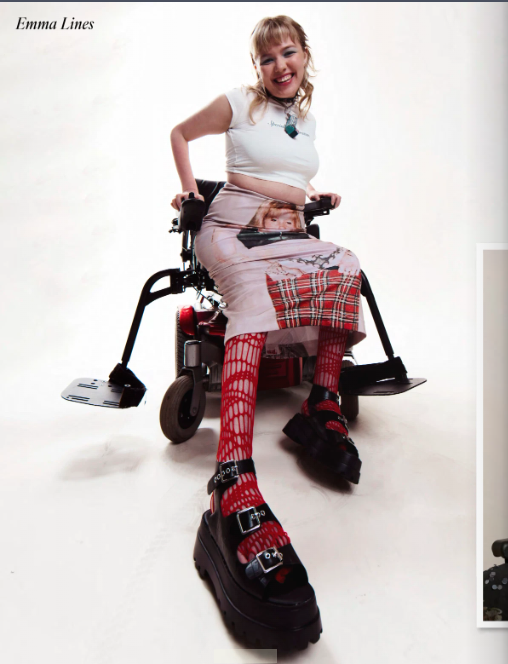
That moment showed how exclusion can appear in small, ordinary instructions. It is not always loud or intentional. Sometimes it is buried in the assumptions of a brief, a pose direction, a set layout or an idea of what makes clothing look its best. The seated body does not make fashion less expressive. “You can still have loads of fun with fashion sitting down,” Emma says. That is where her role becomes larger than a booking. She models the clothes, but she also shows the fashion industry what they do not readily notice.
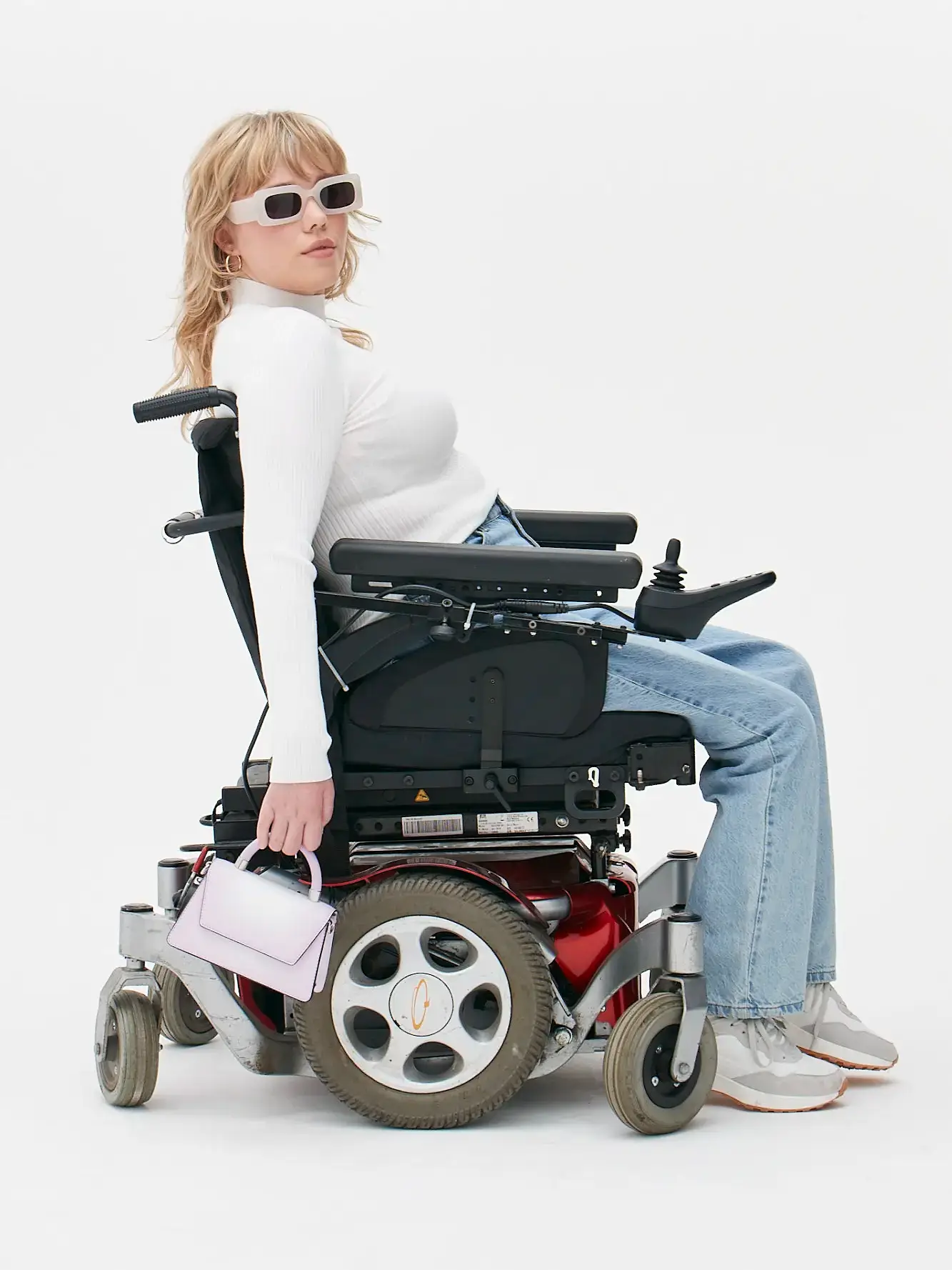
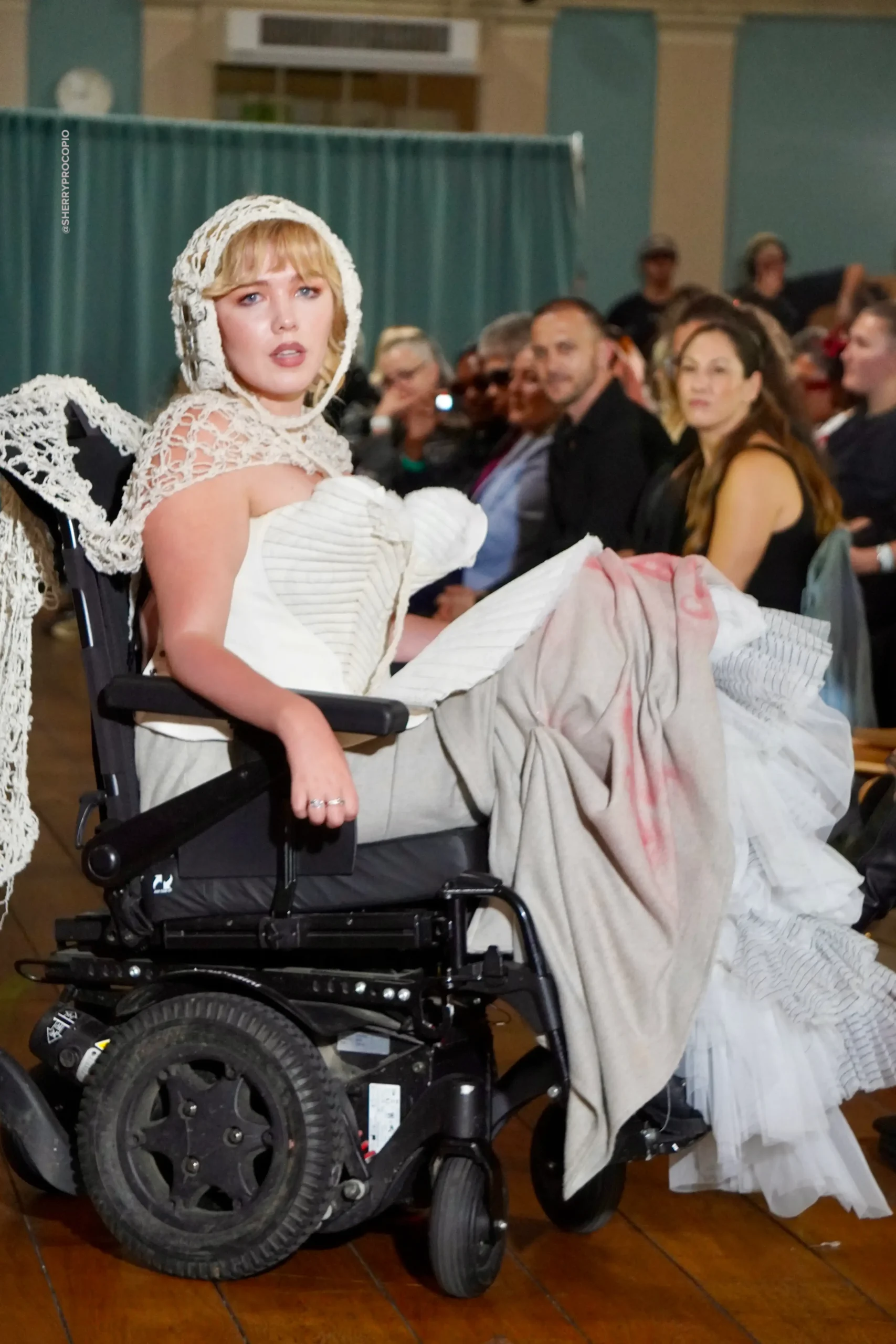
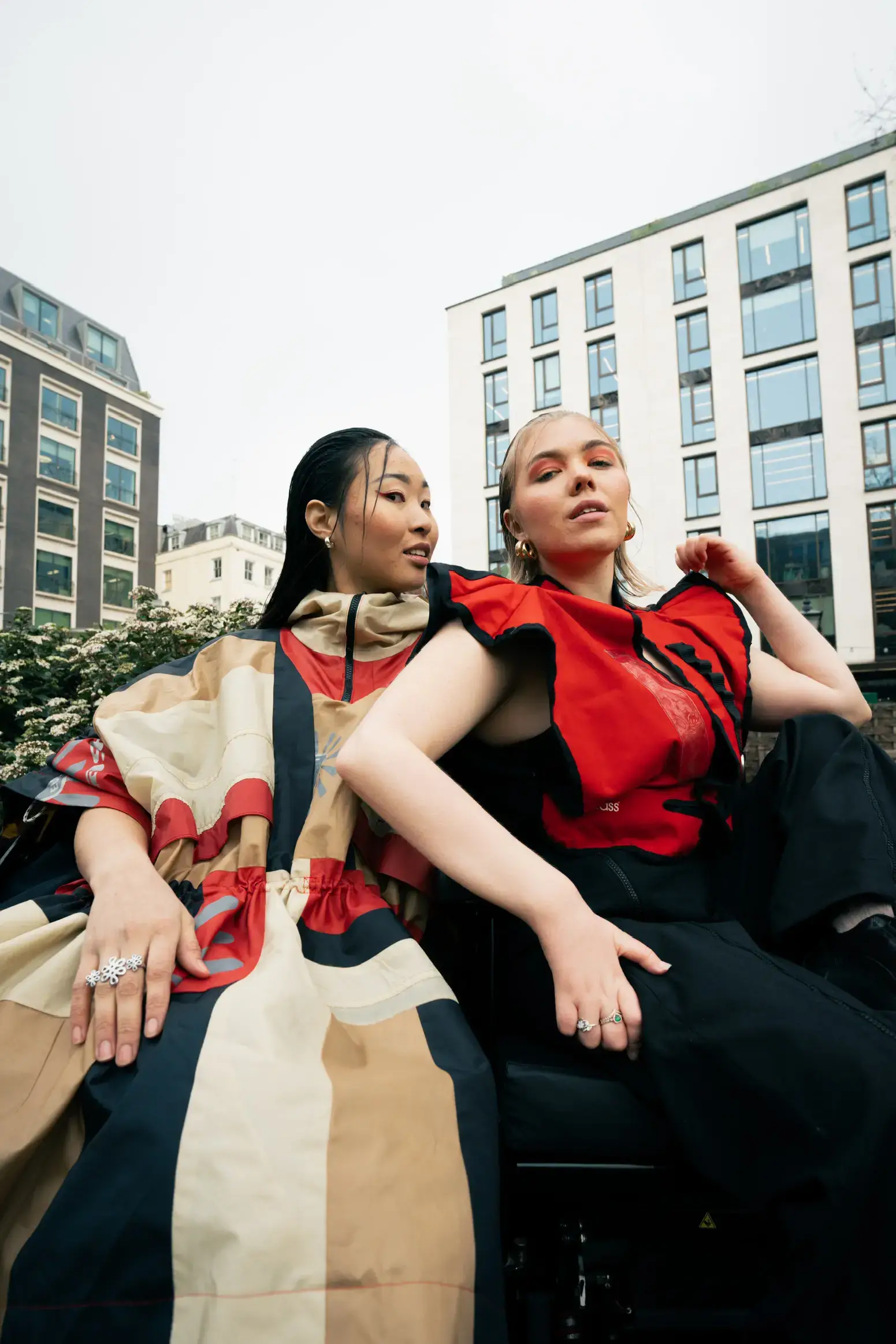
Her Marks & Spencer (M&S) campaign carried particular weight. Emma did not realize she was the first wheelchair model to appear for M&S until after the campaign was released. That made the moment feel even larger. It was a professional milestone, but it was also deeply personal. M&S was part of Emma’s everyday life, a brand she visited in her local town and already saw as iconic. To appear in one of its campaigns felt almost unreal. She was stepping into a fashion space she had never been encouraged to imagine for herself.
Still, she felt the significance was downplayed. A first of its kind moment happened, but the wider story did not travel as far as it could have. Emma believes those moments matter because celebrating one brand’s progress can encourage another brand to act.
Her work with Primark showed her the power of representation in real time. The campaign introduced the first adapted clothing line to the UK High Street and featured Emma alongside other models. In the announcement reel, she said, “Hi, I’m Emma Lines and I have Charcot-Marie-Tooth.” She had not often spoken publicly about her condition before. The response was immediate. The comments filled with people who had the same condition, many saying they had never seen someone like themselves represented in fashion. Emma might have missed the full response if her brother had not texted her and told her to read through them. The response showed Emma what visibility can do. By naming her condition publicly, she allowed others with Charcot-Marie-Tooth to see themselves reflected in a major fashion campaign. Their comments gave something back to her as well, reminding her that she belonged to a wider community of people who understood that part of her life.
That exchange also sharpened her understanding of meaningful inclusion. For Emma, representation cannot sit inside one body-positive campaign and disappear everywhere else. It should appear across editorials, e-commerce, campaigns and brand storytelling. When inclusion is done well, people can feel it. When feedback comes, brands should listen and act.
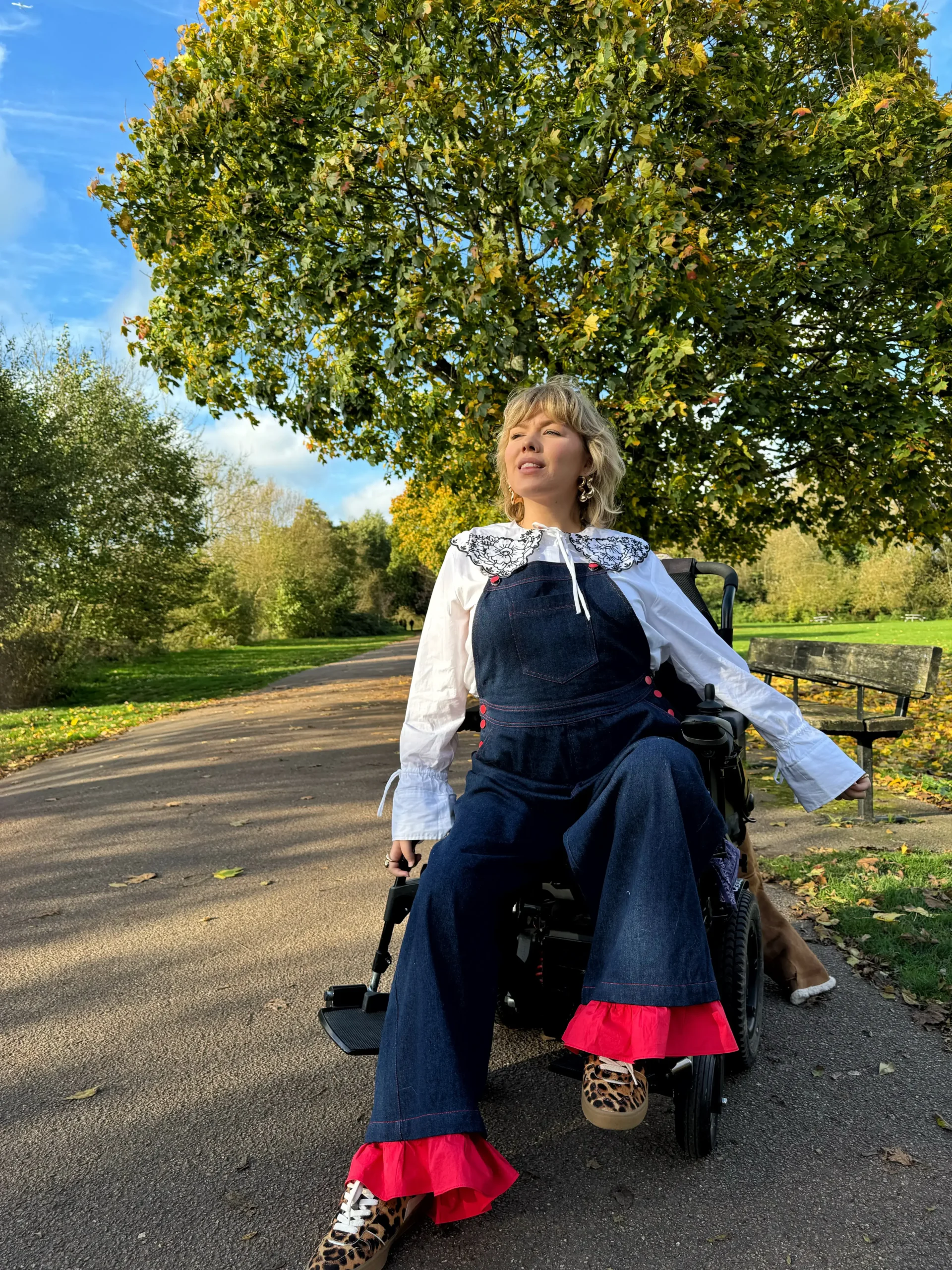
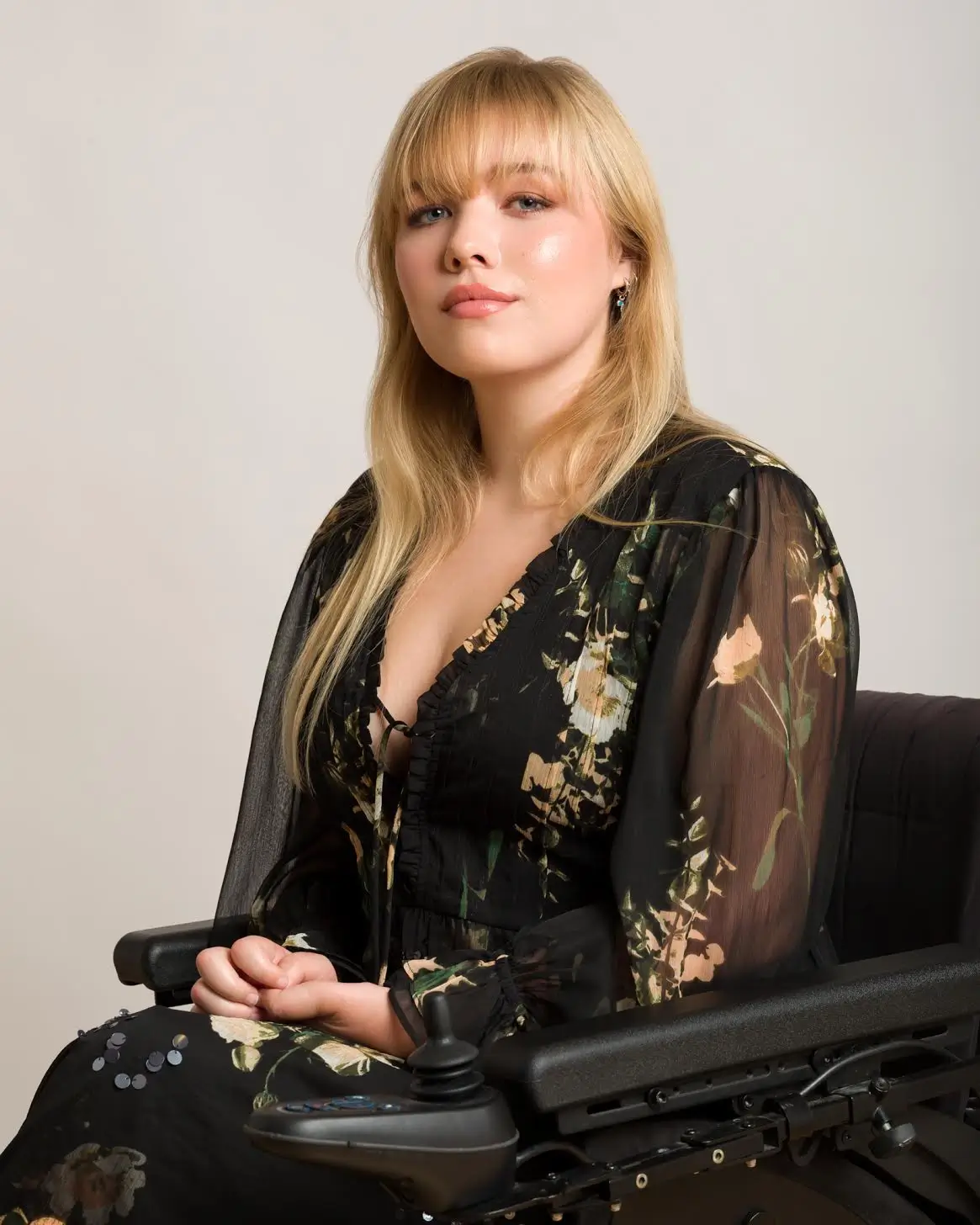
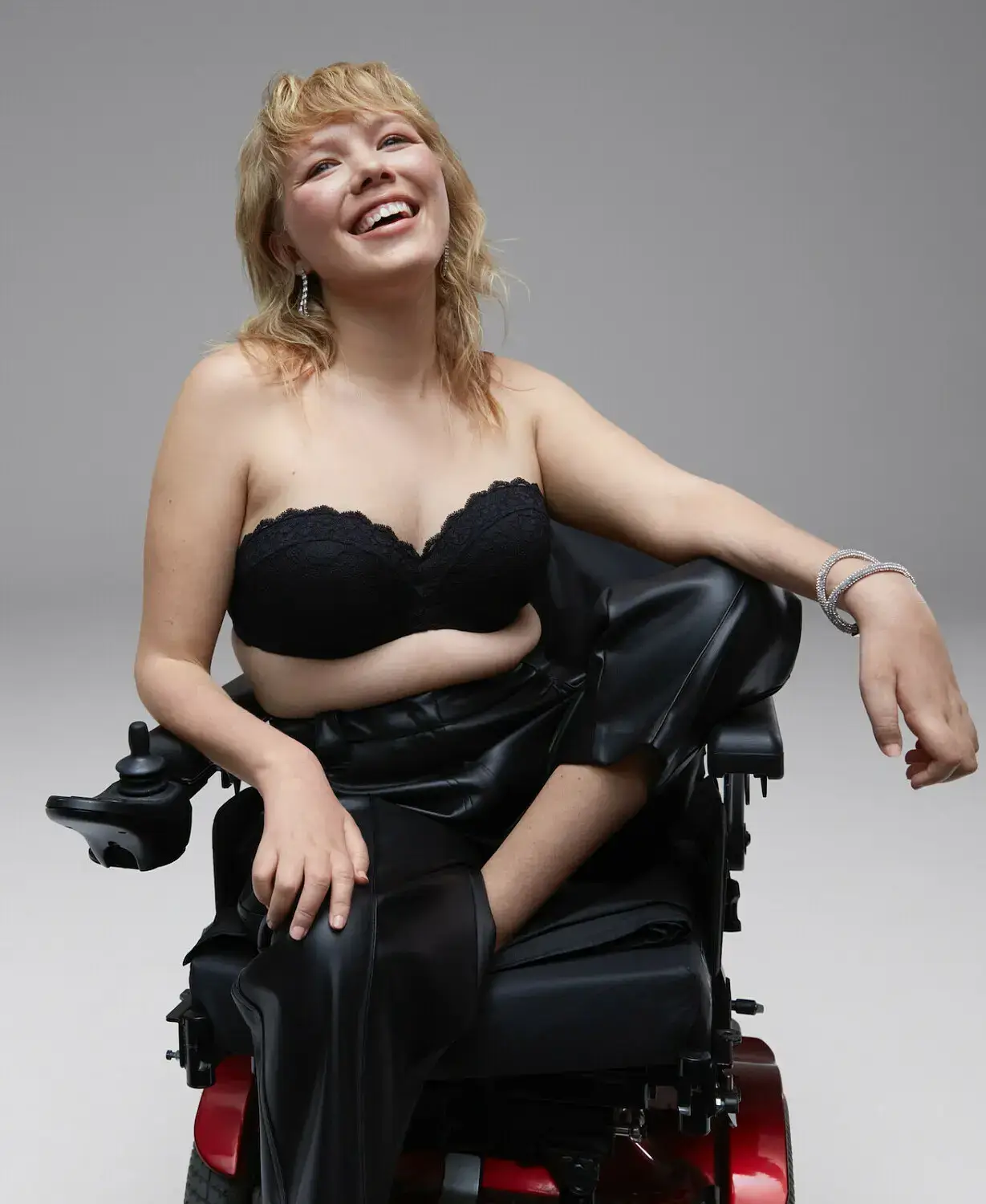
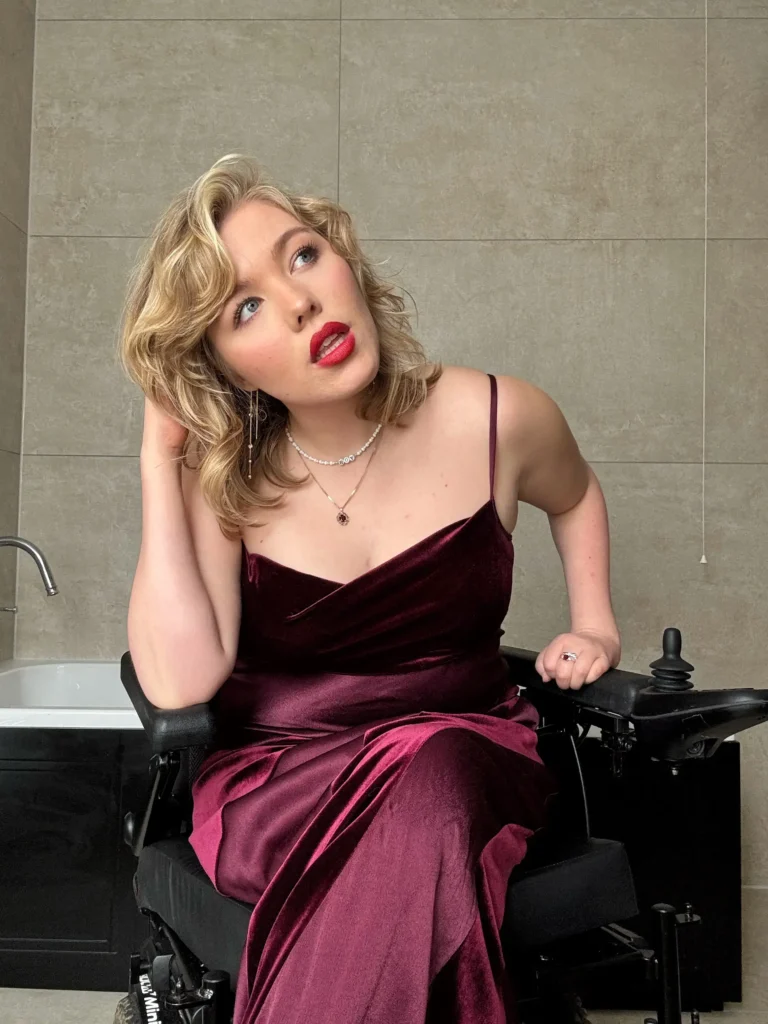
Her own Instagram series, Normalising Fashion Being Styled Sitting Down, began during Disability Pride Month. At first, she imagined it as a month-long project, a personal way to post outfits and show how style appears from a seated position. It became something larger because the idea was simple and quietly radical: normalize fashion sitting down. The series challenged one of fashion’s most familiar habits. Clothes are usually photographed on standing bodies, with movement, height and posture treated as part of the ideal image. Emma’s work asked what happens when fashion is shown from another angle? A waistband, trouser cut, hemline, jacket shape or sleeve detail can look and feel different when the body is seated. For wheelchair users, that is not a temporary pose. It is how clothes are worn, tested and lived in.
Her point reaches beyond wheelchair fashion alone. Everyone sits down. People sit at desks, in restaurants, on trains, in cars, at weddings, at work and at home. An outfit that looks polished standing may feel restrictive once the body rests. Trousers may dig in. Jackets may pull. Hemlines may shift. Emma’s series shows that seated fashion is not a niche idea. It is part of everyday style, and it deserves the same care, beauty and attention as fashion shown standing.
That attention to how clothes are actually worn also carries into the practical side of Emma’s work. Before modelling, content creation or public appearances, her routine is less about glamour and more about comfort, access and being prepared. She washes her hair in the morning and makes sure she feels good in herself. Her beauty and set essentials are practical and personal: fluffy socks because her feet get cold, a mix of underwear options, mascara, concealer and a water bottle with a hook that makes it easy for her to use.
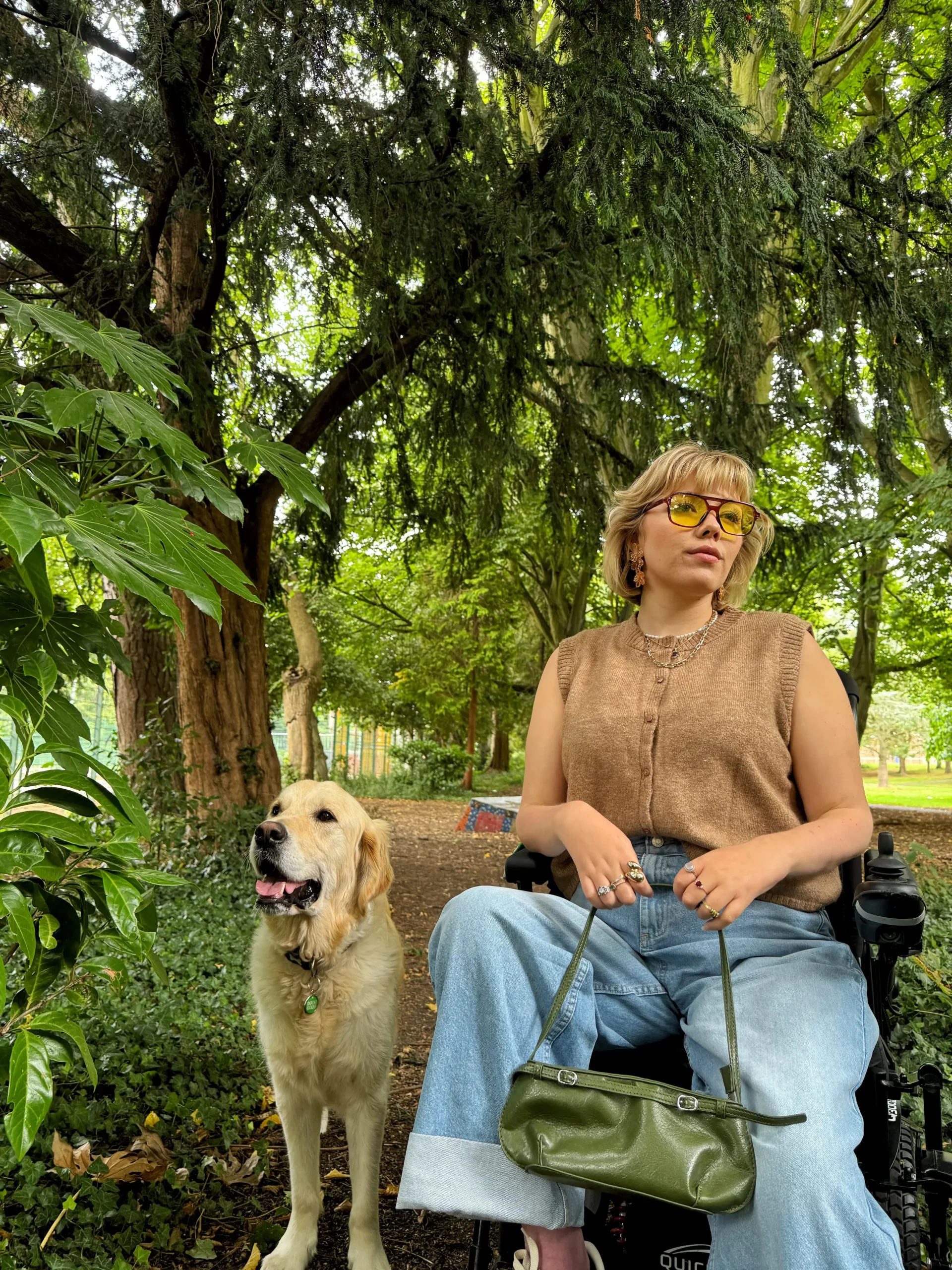
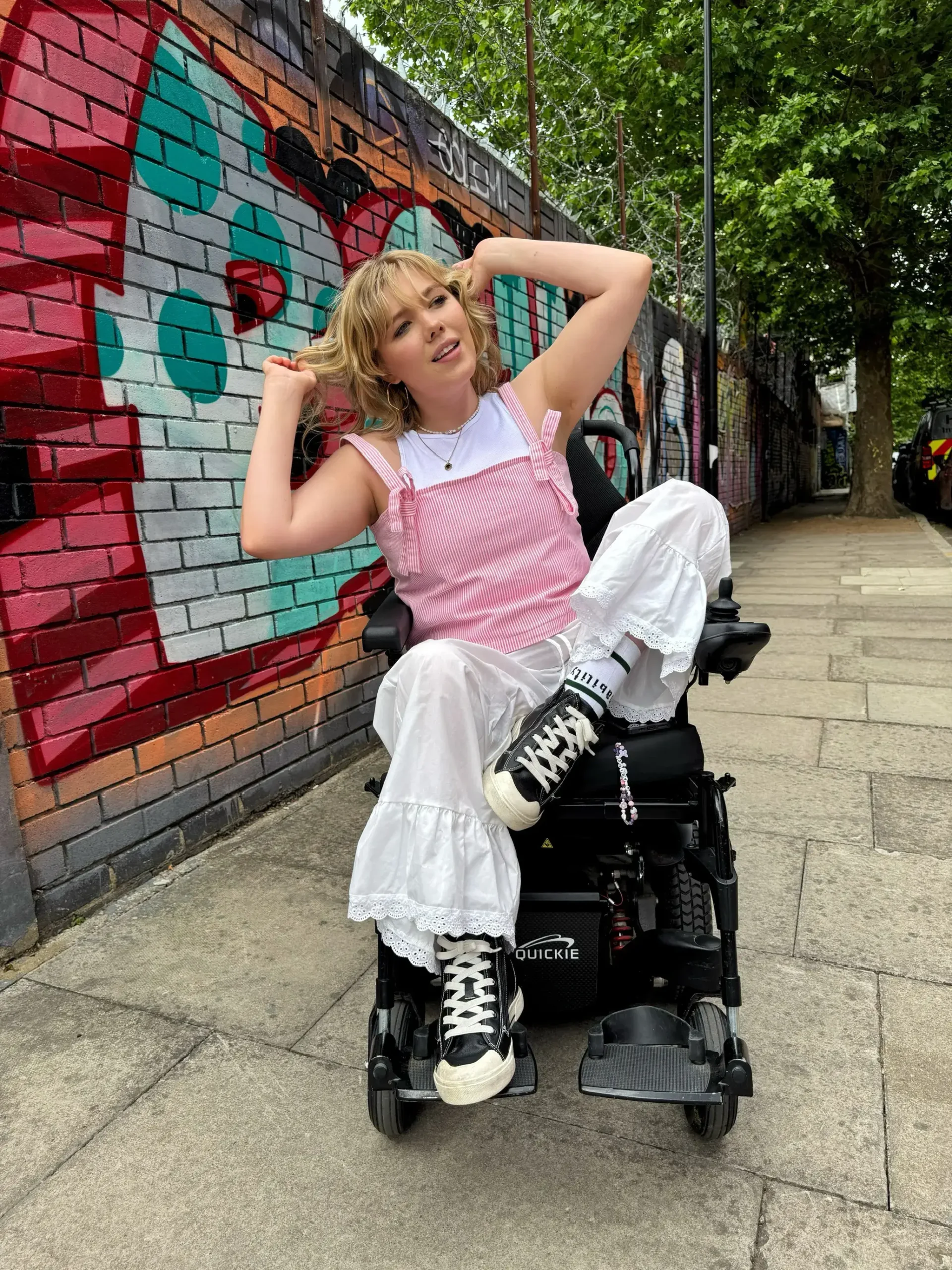
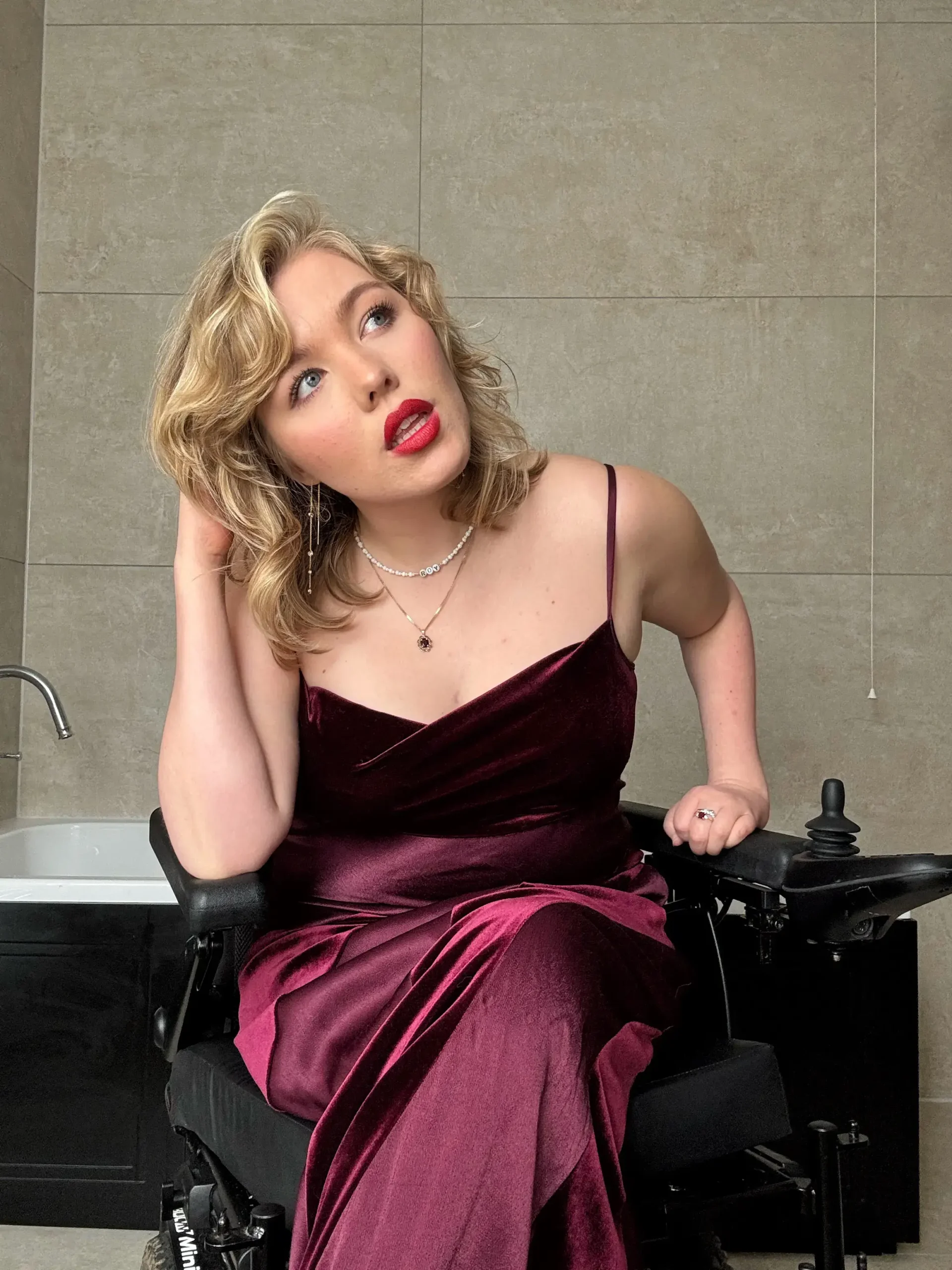
That balance of function and self-expression also shapes the brands she gravitates toward. Her favourite inclusive beauty brand right now is Human Beauty, which she praises for colourful, accessible makeup that is genuinely good.
In fashion, she names Unhidden, Intotum, Recondition, Kaci Kemp, Trend Tonic an inclusive jewellery brand and Primark’s adapted line as brands doing work she values. She is especially excited by Unhidden’s pieces and mentions leopard print trousers she is waiting to buy.
When Emma addresses the fashion industry, her message is direct. Disabled talent already exists. What remains scarce is the opportunity to be cast, styled, photographed and seen.
She has carried that truth into Parliament, industry panels and media spaces. In Parliament, she spoke about employment and her own experience at the job centre, where a job coach told her she would never work. Now, she stands in rooms where people have the power to influence change and tells the truth from lived experience.
She does not pretend the industry has solved inclusion. In fact, she believes representation has gone backwards in the past year or two, not only for disability but across body diversity more broadly. She worries about what that does to people surrounded by images every day.
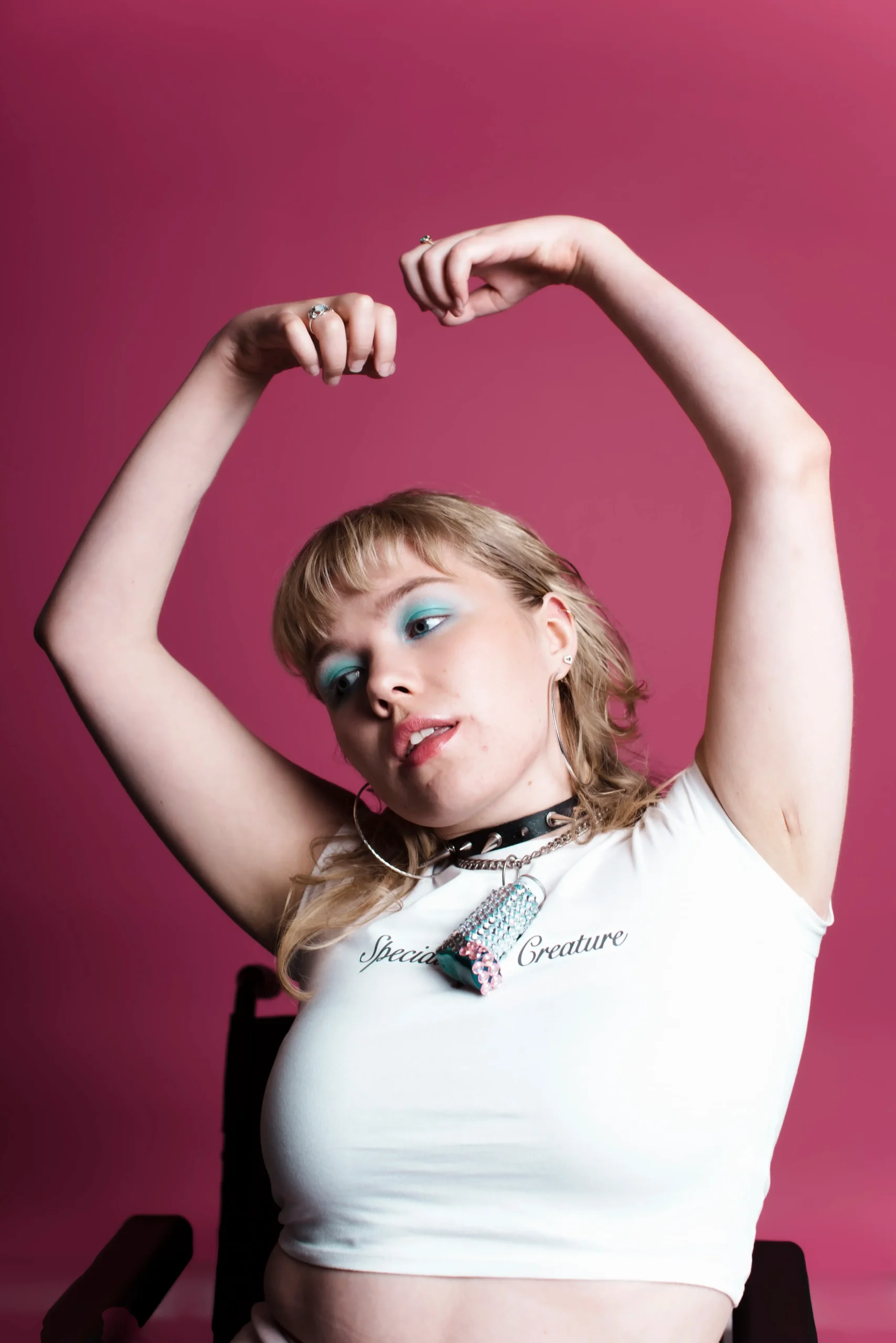
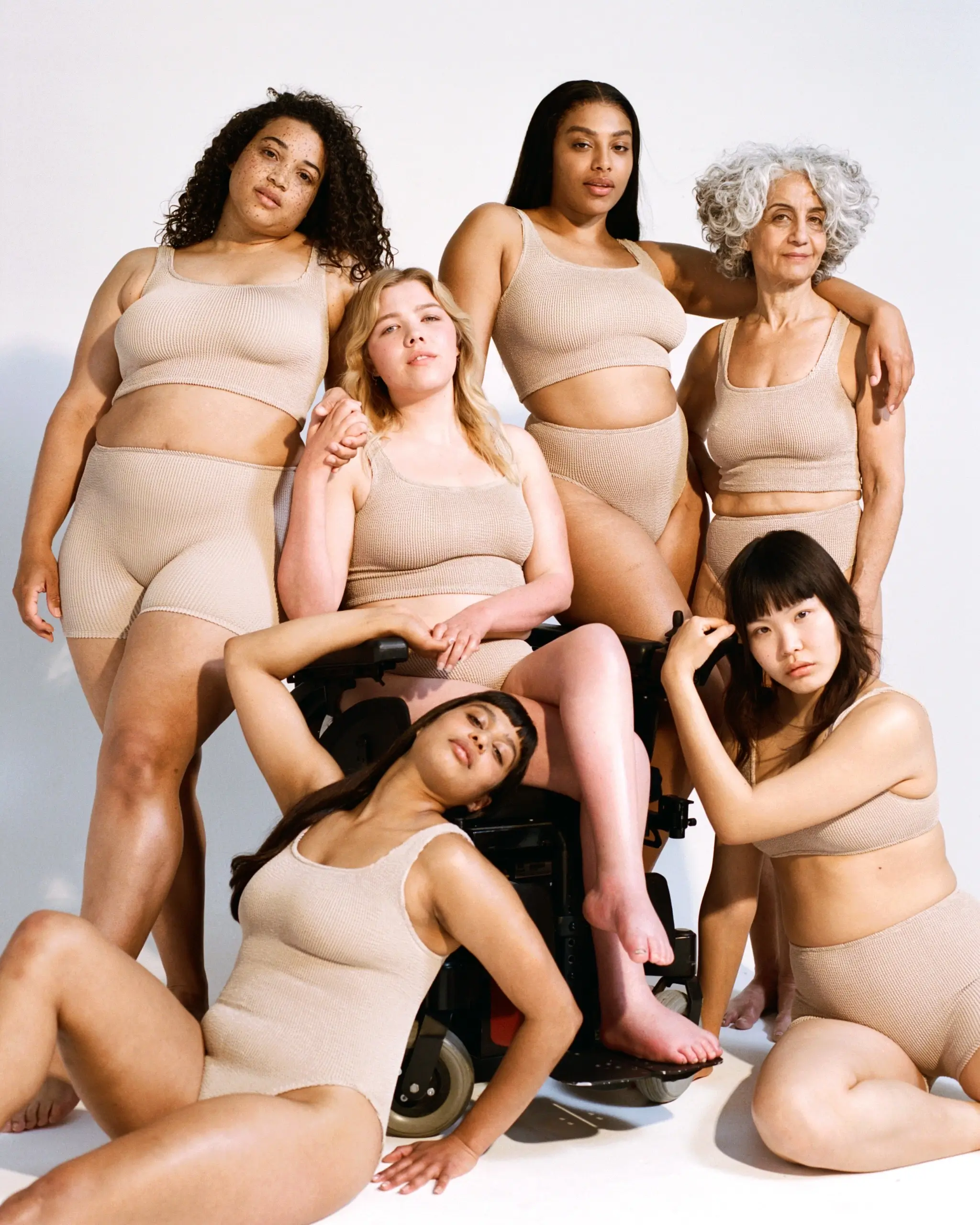
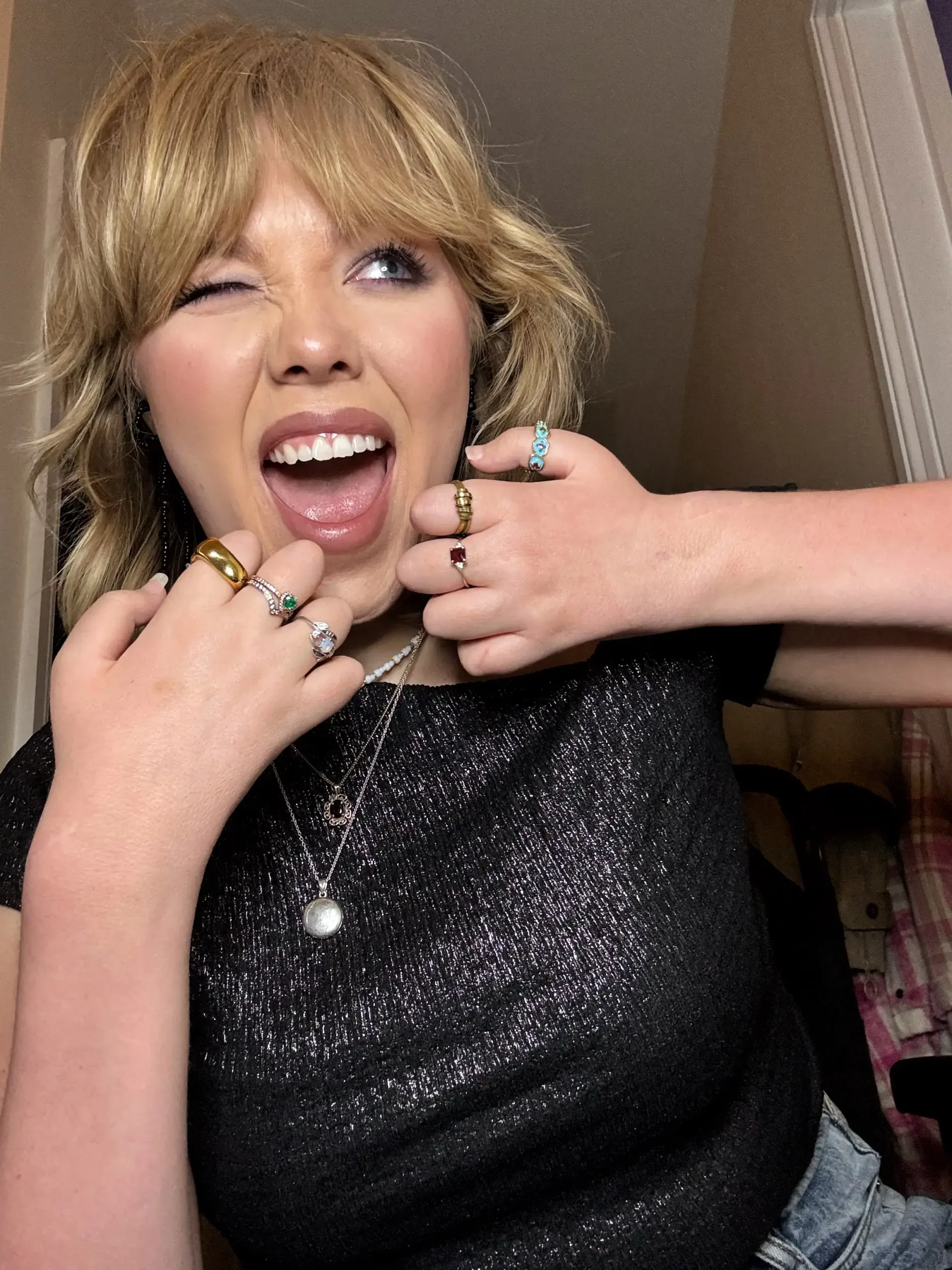
Still, Emma keeps going. The camera gives her a confidence she once could not imagine. Before speaking engagements, her heart may pound, but the feeling is excitement, not fear. A different version of herself steps forward. That is the Emma Lines fashion now has to reckon with: stylish, direct, creative, practical and unwilling to disappear. She is not asking the industry to make disability ornamental. She is asking it to understand that disabled people are already part of fashion’s audience, imagination and future.
Fashion does not lose power when the body is seated, and the clothes do not become less visible. From a seated position, style can still feel expressive, polished and alive, revealing beauty, function and presence in equal measure.