Listen to this Article
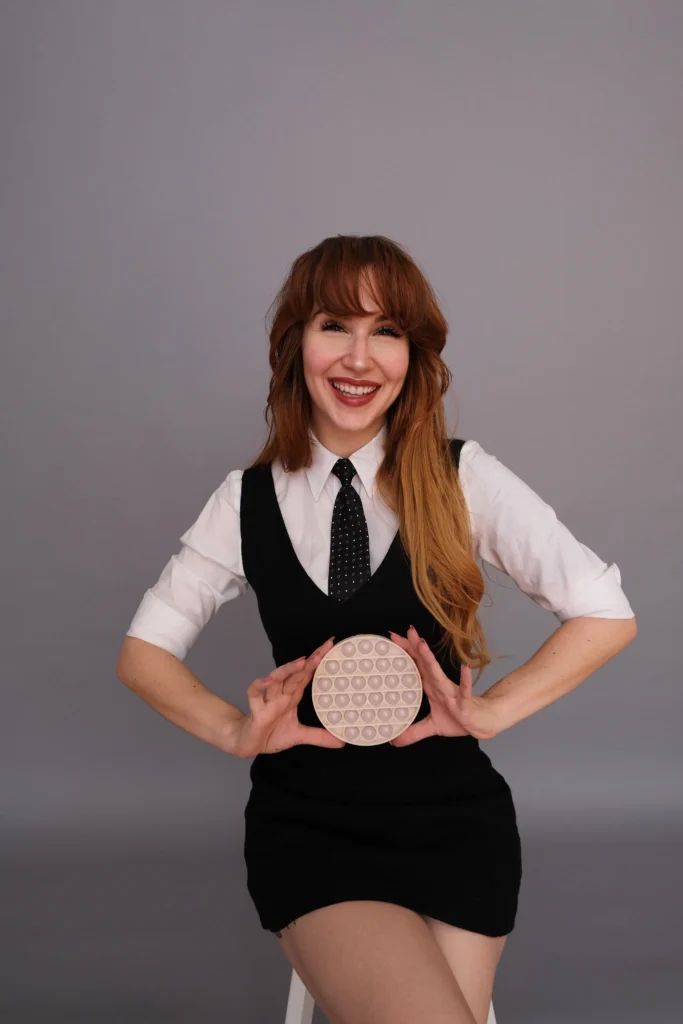
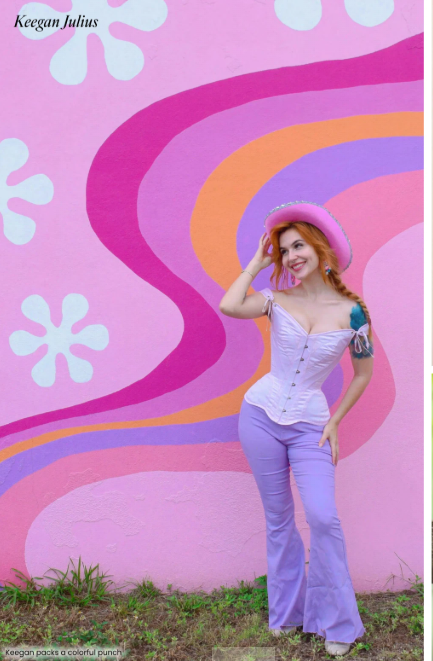
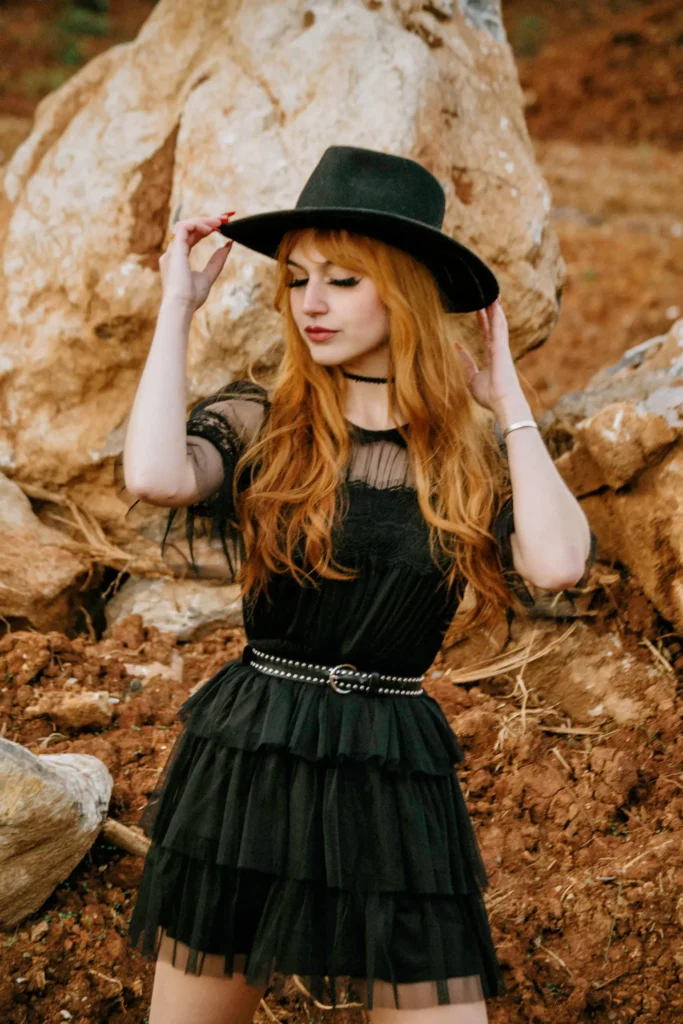
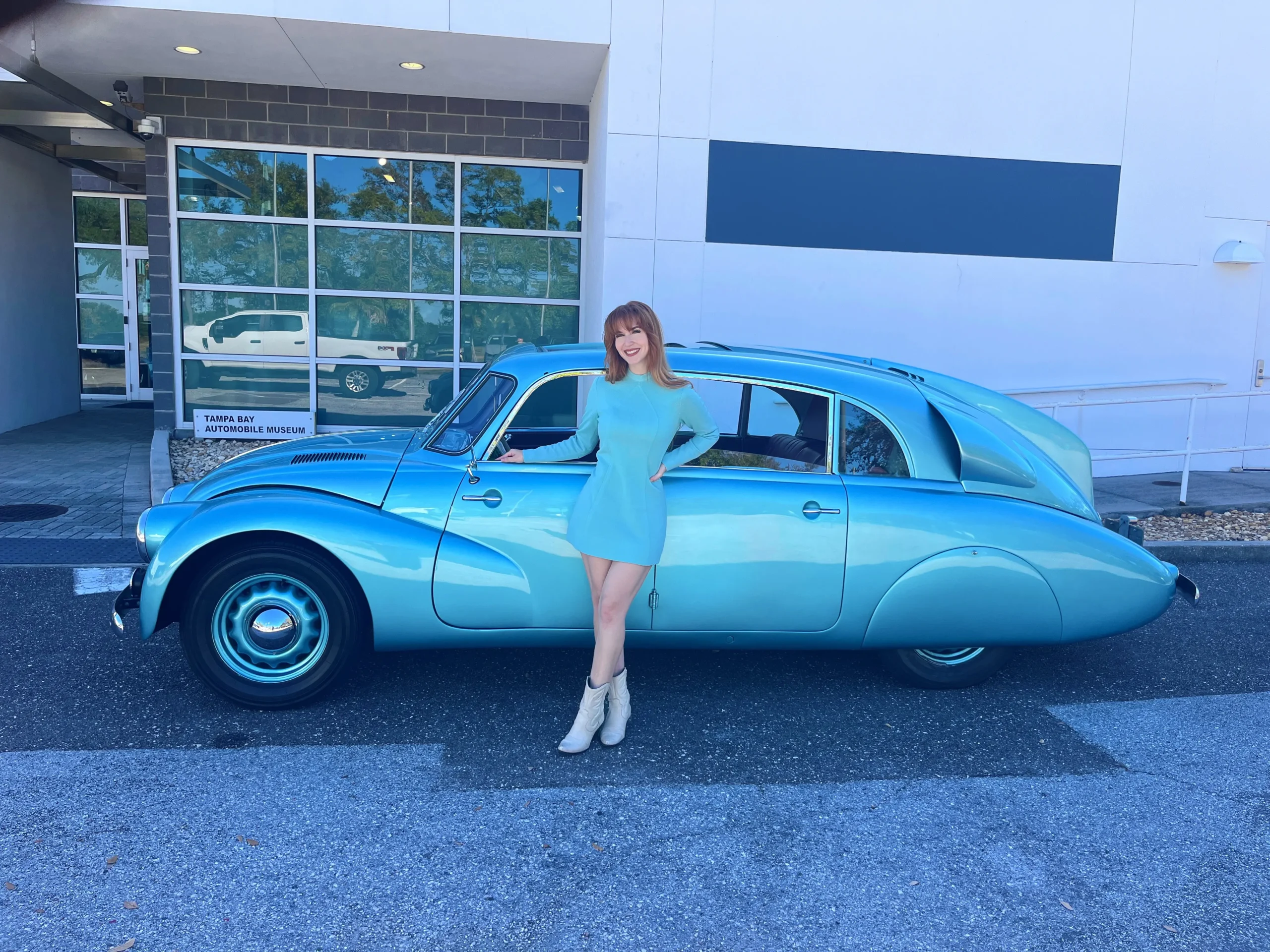
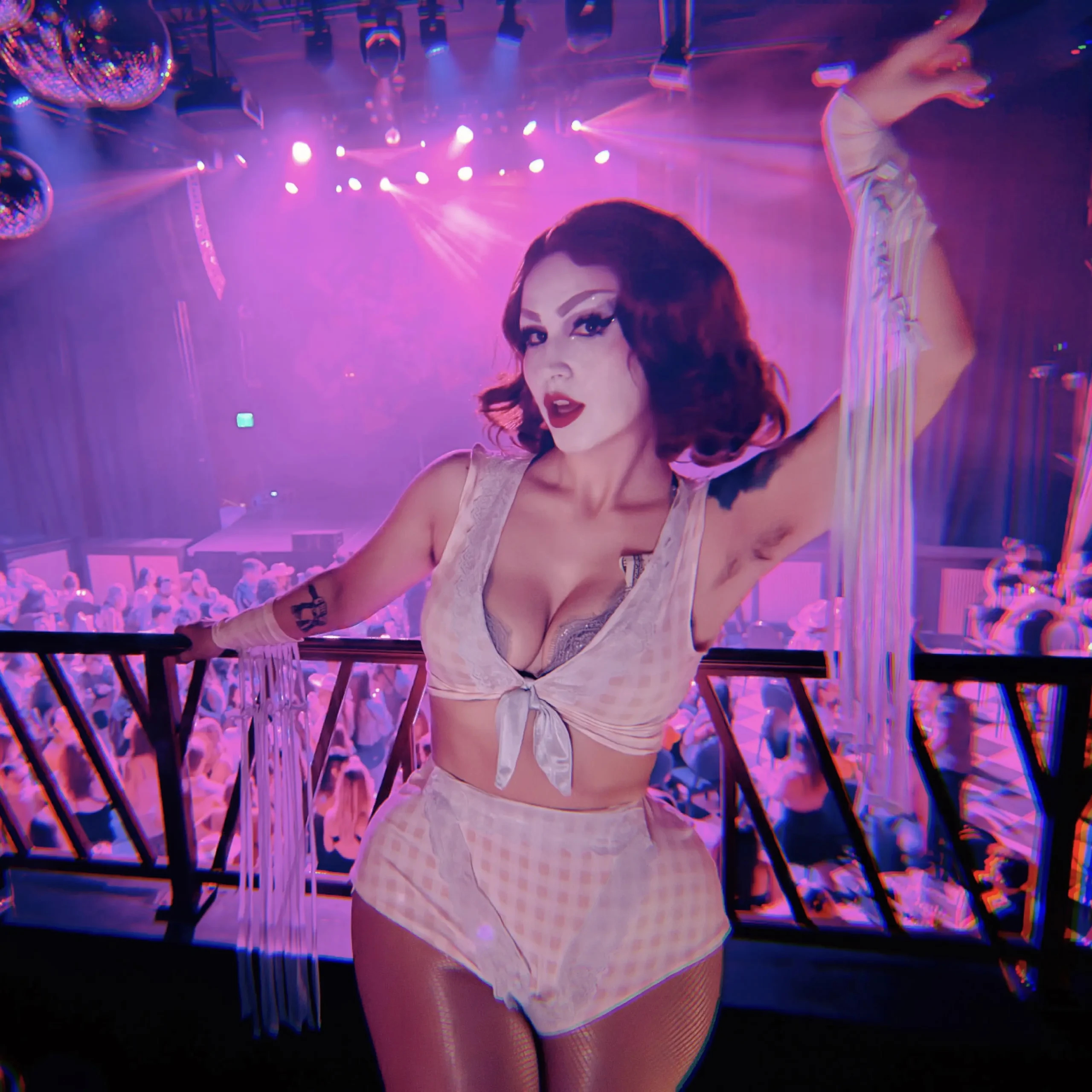
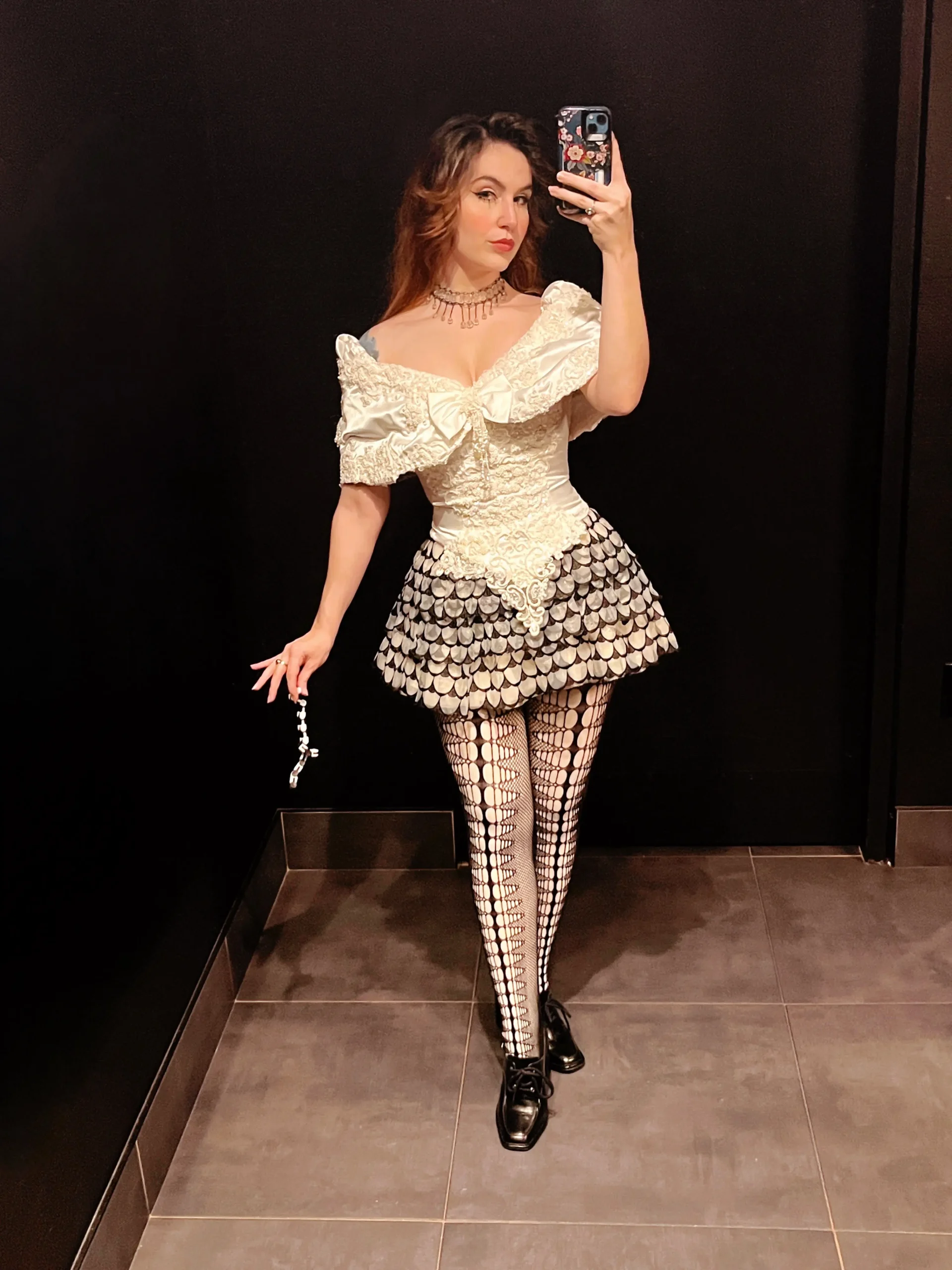
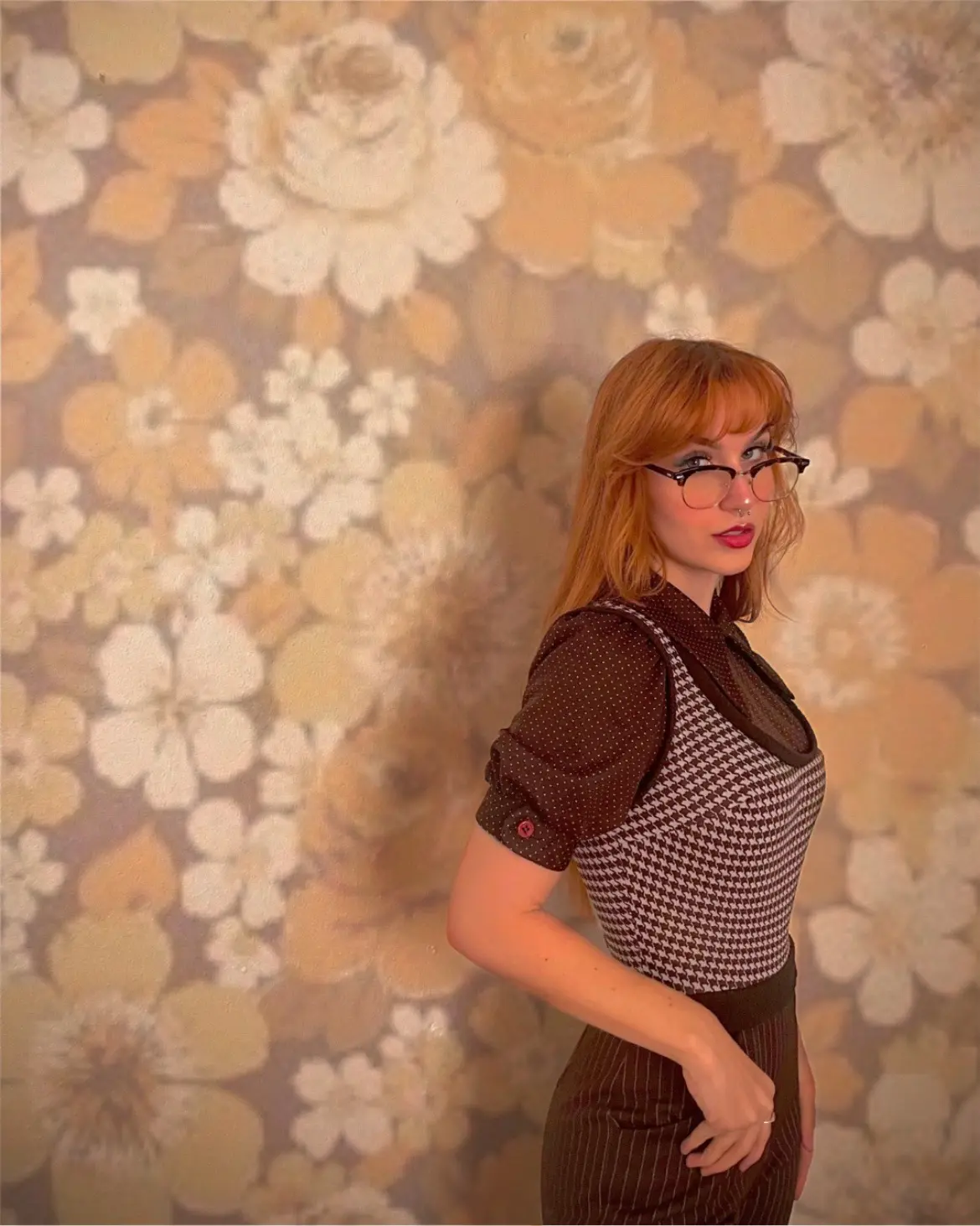
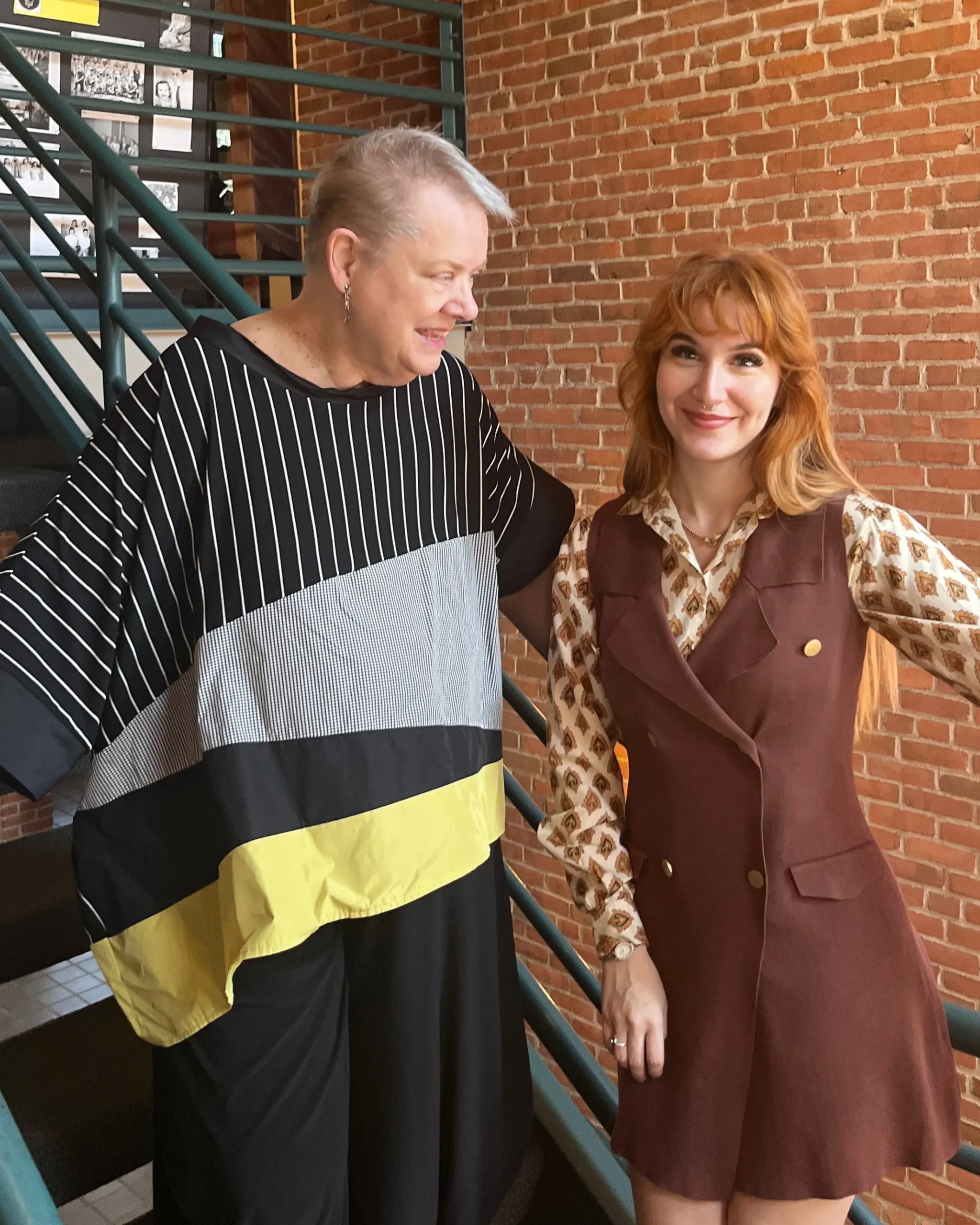
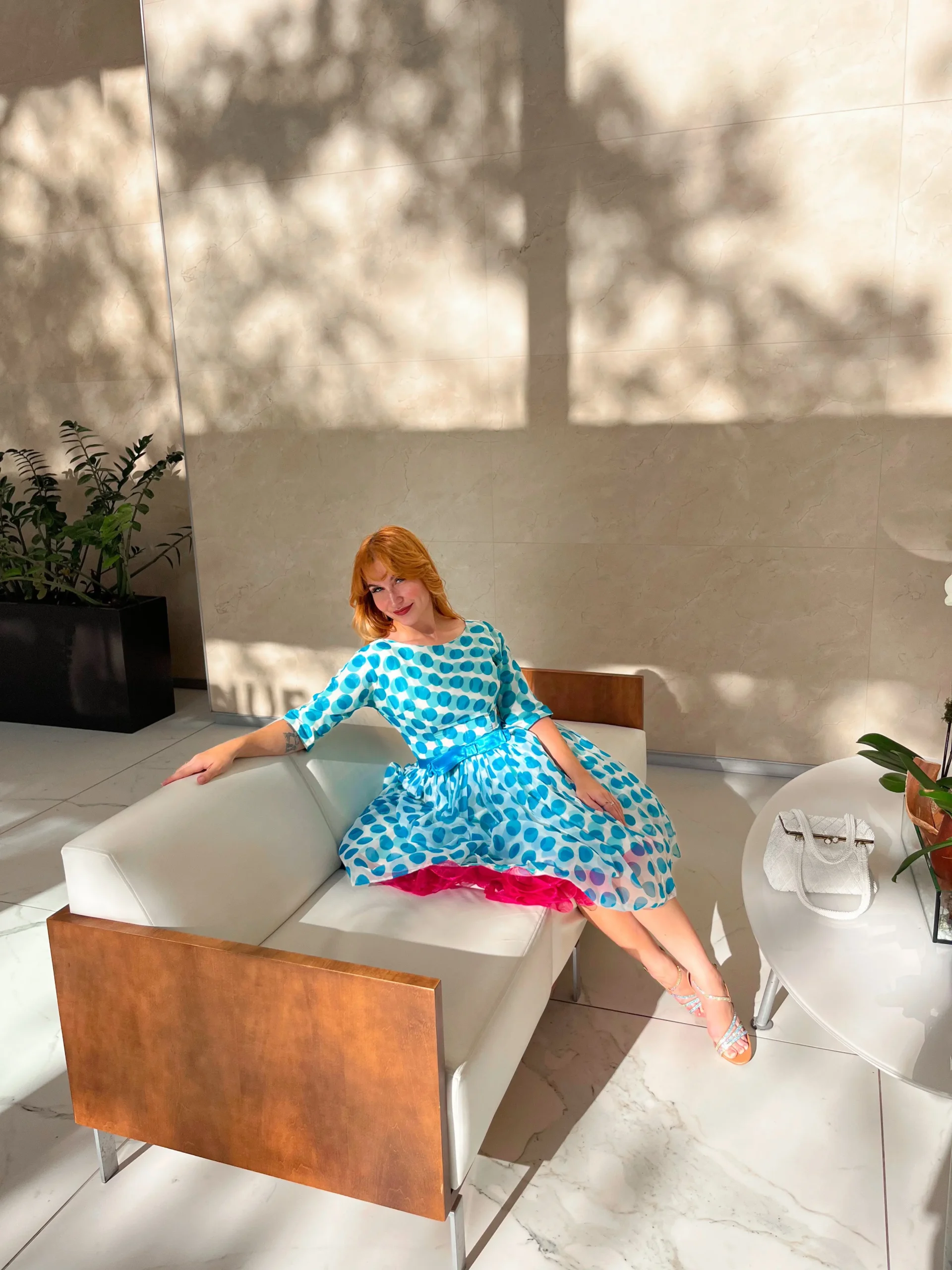
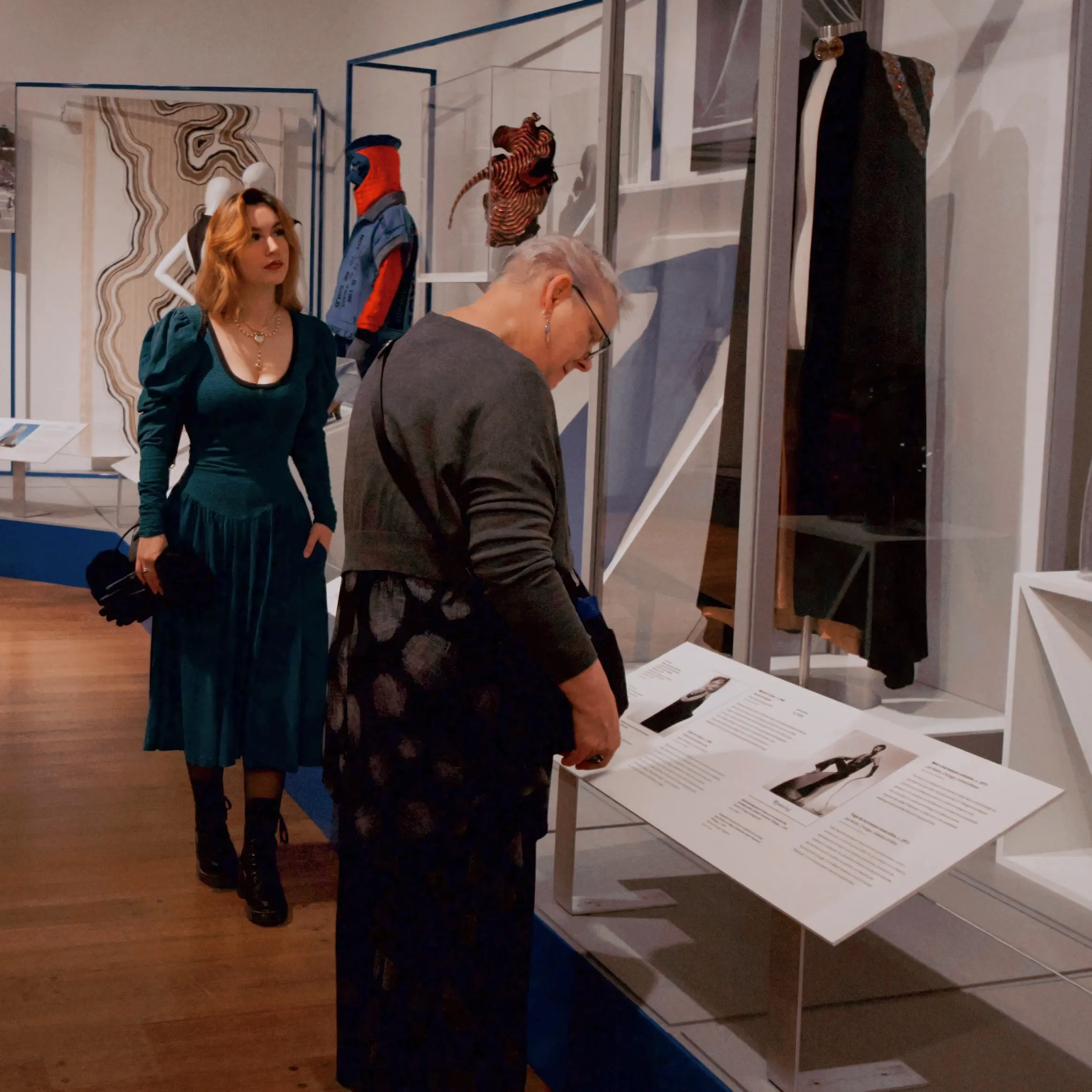
Keegan Julius describes Instagram as a personal scrapbook, a place where they share their eye for fashion and photography. Their feed combines vivid colour, vintage pieces, camp references and carefully chosen locations. Keegan often dresses with the location in mind, turning places such as aquariums, museum hallways and city streets into backdrops for their fashion and photography. From 1980s pieces with dramatic sleeves to handmade Halloween costumes, they use clothing to explore creativity, performance and self-expression.
That visual style is rooted in sparkle and what Keegan describes as “super high camp colour.” Colour is often what grabs attention on their page, along with the saturation, pop and energy of “all things camp.” Their wardrobe has been slowly accumulating more 1980s pieces with shoulder pads, beads, and dramatic details. Several 1980s wedding dresses can even be found in the collection, chosen for their giant poofy sleeves, jeweled fringes and decorative elements. These pieces reflect a larger interest in vintage fashion, performance and visual storytelling.
“I really treat Instagram like my own personal scrapbook,” they said. “It’s a chance for me to be creative and share my eye for fashion, for photography with other people.”
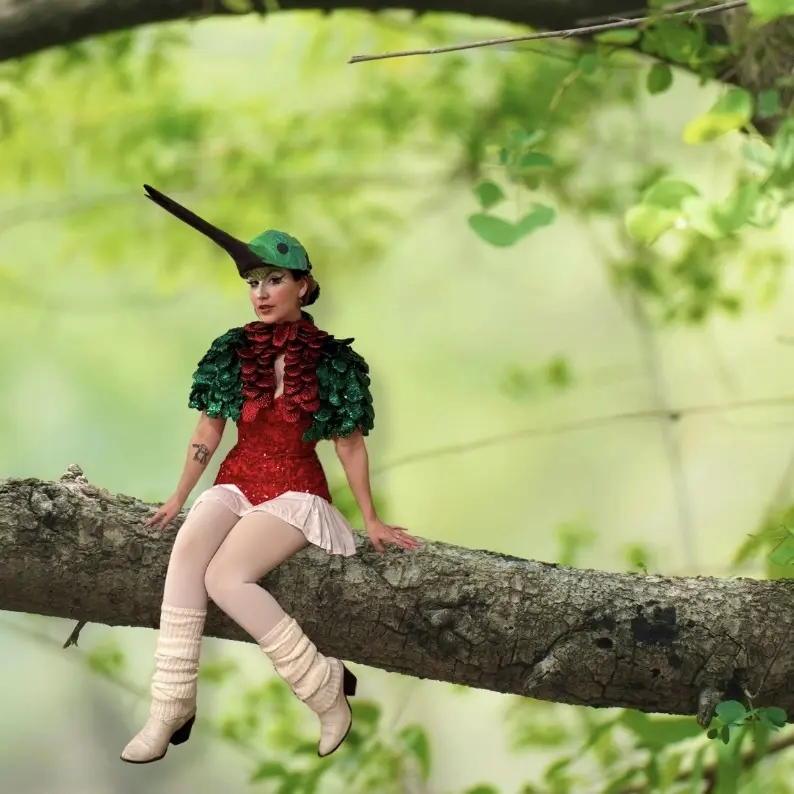
Keegan’s eye for fashion and photography shapes how their outfits are presented. They often dress with the location in mind, turning places such as aquariums, museum hallways and city streets into backdrops for their work. A visit to the aquarium became what Keegan described as a “rainbow fish moment.” For Halloween, they built a hummingbird costume in less than two weeks and were pleasantly surprised when people recognized it. Their images show how clothing, setting and performance come together in their creative process.
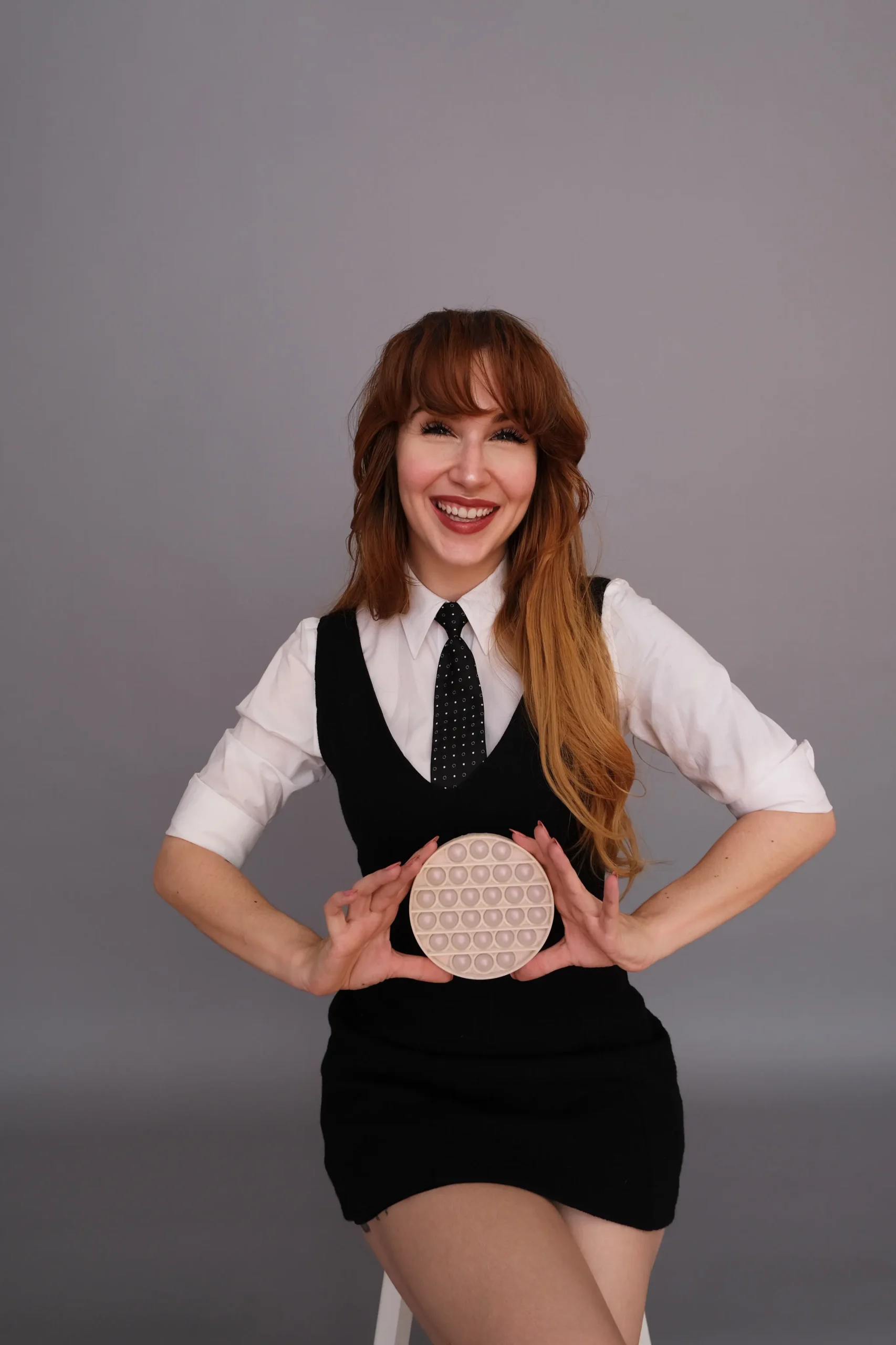
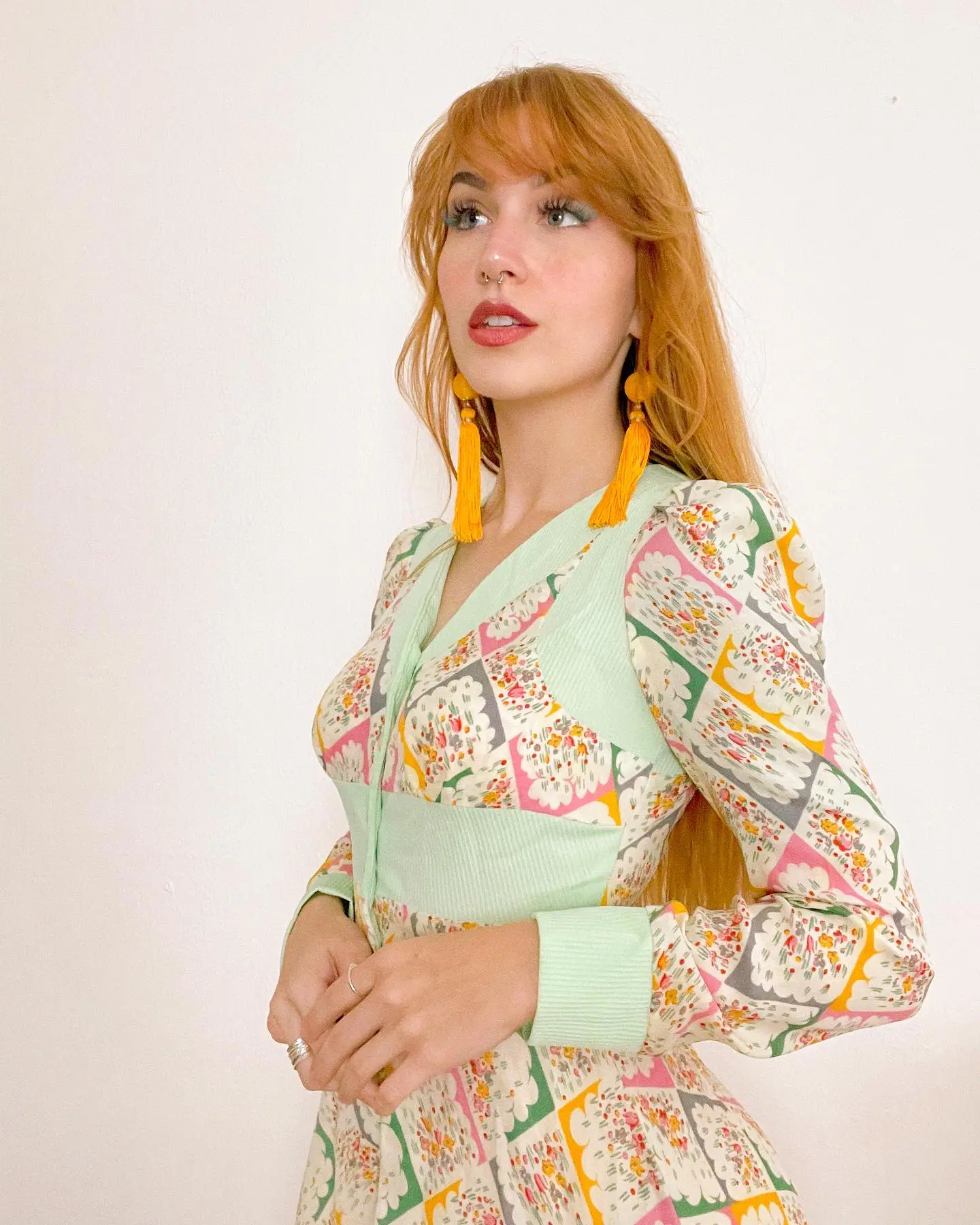
Keegan’s relationship with clothing goes beyond the finished image. As an autistic person, they have had to think about fashion through masking, sensory comfort and social expectations. Clothing once helped them camouflage autistic traits, blend in and look for community by appearing closer to what others expected. Over time, that relationship shifted.
“Fashion initially was a means for me to kind of camouflage my autistic traits,” they said. “Eventually I had to realize that the surface level is just that, it’s the surface level, and that being my most authentic autistic self was what was really going to draw people in.”
Now, clothes are no longer armour built for approval. They are an extension of Keegan’s perspective and that distinction matters. For many neurodivergent people, getting dressed can involve an exhausting set of calculations. What will people think? Is this too much? Is this appropriate? Will this fabric irritate my skin? Will this sweater trap me if I cannot get it off quickly enough?
Keegan knows those calculations well. They described the social rules of dressing as something they had to work through on their own terms. The fear of being overdressed had to be dismantled. The imagined reactions of other people had to stop taking up so much room. Sensory distress also plays a role. A garment that looks beautiful can still become unbearable if it scratches, clings, traps heat or makes escape feel difficult.
Keegan connects clothing quality directly to sensory access. They want garments with better construction, linings, functional pockets and designs made for real bodies instead of mannequins. A tweed garment, for example, should not leave scratchy fabric against the skin, and pockets should be useful enough to hold loops or ear defenders. Their answer to what would improve dressing for neurodivergent people is also tied to labour: bring back garment workers’ unions and value the skilled work behind well-made clothes.
“If I’m going to wear a tweed, I don’t want that scratchiness touching my skin,” they said. “I’d love to be able to put my loops or my ear defenders in an actual pocket.”
It is a practical request, but also a larger design critique. Better clothing would support neurodivergent people while improving dressing for many others. Linings make garments more comfortable, functional pockets make clothing more useful and stronger construction helps pieces last longer. Keegan connects this to the curb cut effect, where design created with disabled people in mind often ends up benefiting a much wider group.
Keegan’s work also extends into disability justice. They are involved with Chicago Disability Pride, which is celebrating its 23rd year. Their current work includes planning events, reaching out to sponsors and creating short video interviews with disabled people about what they do for fun and how they keep their minds and bodies engaged. Fashion fits naturally into that focus on play. Dressing up, drag and performance are all ways Keegan explores creativity, movement and self-expression.
Drag remains one of Keegan’s major creative influences. They describe it as a space that understands costume, character and social construction in ways mainstream fashion often avoids. While mainstream style can push people toward trends that still allow them to blend in, drag asks a different question. How much can you stand out? How far can glamour go? What happens when gender, beauty and presentation become materials to bend?
Keegan’s style also draws inspiration from music’s many icons, David Bowie, Luther Vandross, Cher’s innumerable Bob Mackie creations – performers who were not afraid to push limits through costume and stage presence. When asked to describe their aesthetic in one song title, they chose Chappell Roan’s “Super Graphic Ultra Modern Girl,” while noting that the title wasn’t a perfect fit for their they/them status. But the reference still fits the energy of their fashion: bright, graphic, playful and designed to stand out.
Keegan is also preparing for a new chapter in the United Kingdom, where they will study at the University of Kent. They were drawn there partly because of autistic researcher Damian Milton, whose work on “the double empathy problem” has shaped Keegan’s thinking. The concept challenges the idea that autistic people alone are responsible for communication breakdowns. Empathy requires effort from both sides. For too long, autistic people have been asked to modify their behavior by making eye contact, fidgeting discreetly, and speaking in ways that make others comfortable, while neurotypical peers receive no guidance in return.
Keegan wants that expectation challenged. They also want functioning labels left behind. Autism, they explain, is not a straight line from less autistic to more autistic. It is more like a colour wheel, with each trait existing on its own spectrum. Eye contact, sensory input, routine, communication and support needs all vary from person to person. Calling one person high functioning and another low functioning flattens the truth of both lived experiences.
This is where Keegan’s fashion and advocacy meet. Both reject lazy categories. Both ask people to look more closely. A dress is not only a dress. A pocket is not only a pocket. A costume is not only a costume. A person is not a label.
For anyone who feels they dress wrong or take up too much space, Keegan offers a simple correction; The rules are made up. And the people who bend them are often the ones later revered.
Keegan keeps dressing with the same energy that runs through their work: colour, drag, vintage detail, play, access and performance. Their wardrobe reflects a refusal to shrink or blend in. It is built from saturated colour, theatrical references and garments that carry both creativity and intention. In Keegan’s world, style claims visibility on its own terms.