








Listen to this Article
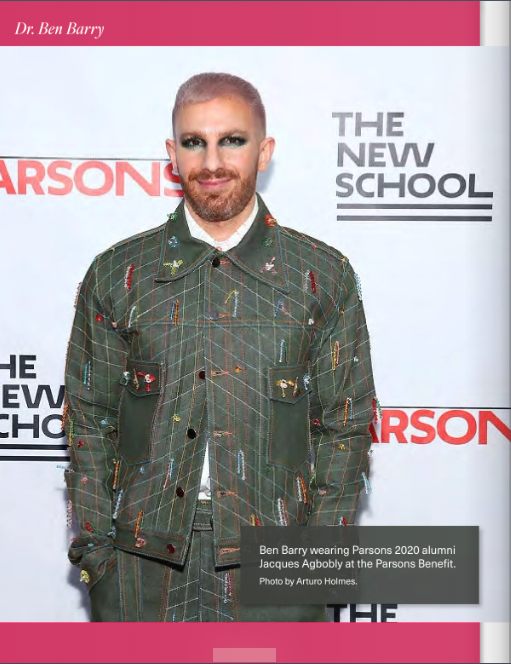
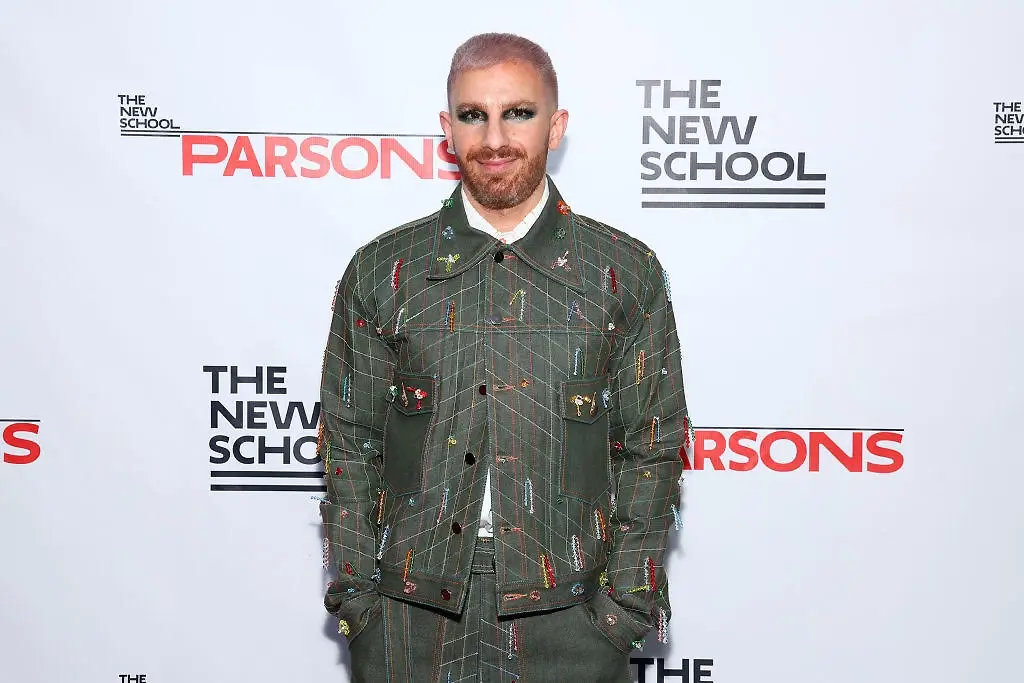
Fashion loves to talk about revolution, but real change rarely walks the runway. That’s why Dr. Ben Barry, Dean of Fashion at Parsons School of Design, is turning the industry’s glossy buzzwords on their head by placing disabled creatives at the center of fashion’s future. Disability has long been sidelined as an afterthought, or worse, a charitable gesture, but Barry and collaborators like Sinéad Burke are rewriting the script. Their work is proving that disability is not a limitation to design around, but a powerful, imaginative force that can expand what fashion is and who it serves. This is not theoretical. At Parsons, it’s unfolding in classrooms, mentorship circles, and studios where disabled students are leading, innovating, and reshaping the field from the inside out.
Diversity and inclusion are words frequently used in fashion, but Dr. Barry believes that real transformation begins with recognizing how disability has been mis-imagined within the industry. Many people in fashion have seen disability as being separate from fashion, a view shaped by narrow portrayals in popular culture. These assumptions have led to systems and structures that were never designed with disabled people in mind. He acknowledges there are real physical and financial barriers but emphasizes that these barriers come from society’s beliefs about who fashion is for and what is considered beautiful. They are not natural or automatic, they were created by people. As he puts it, “Recognizing that the system of fashion is designed by people, that we have enacted these barriers, we can now work together to remove them.”
The origins of the Parsons Disabled Fashion Student Program began when Sinéad Burke reached out to Barry after he was appointed Dean. Both recognized that disability was beginning to appear in fashion conversations, but mostly in a narrow way, as something related to consumers rather than creators. Barry explains that “a lot of this recognition has been on the side of disabled people as wearers of fashion, as consumers, and less recognition of disabled people as makers and designers of fashion, even though we have always been designers in fashion.” Together, they set out to change this narrative by building pathways for disabled students to enter fashion education and move into paid roles in the industry.
The program provides a scholarship for disabled students. Participants can study in the BFA Fashion Design, the MFA Fashion Design and Society, or the AAS Fashion Design program, with the AAS offering part-time flexibility and serving those returning to school or changing careers. Only two to three students are admitted each year, allowing the program to offer intensive support while Parsons expands access across the school. Students also join a peer mentorship group led by a disabled graduate assistant, creating space to discuss access needs, barriers they encounter, and strategies for navigating school. Alongside this community support, the program prepares students for careers through guest talks, workshops, guidance on job searches and finding paid positions after graduation.
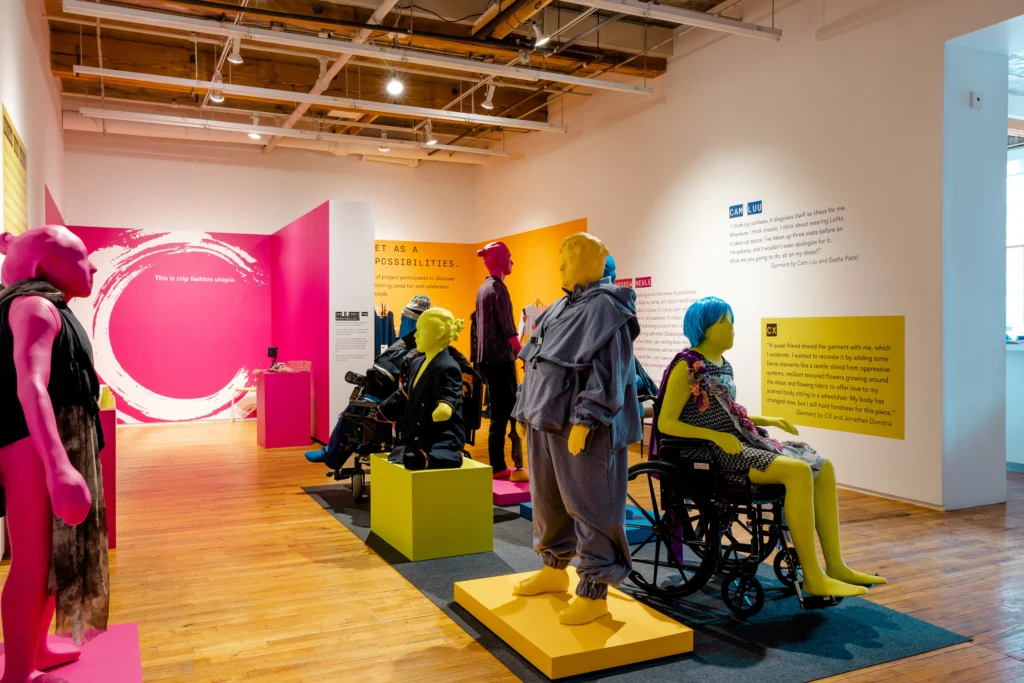
Barry wants the fashion industry to shed the misconception that disability is a charitable concern, arguing that this mindset only reinforces entrenched power structures. Instead, he positions disability as a wellspring of creative potential, a creative opening that pushes designers to rethink how clothing functions, feels, and serves people. Designing through a disability lens, he explains, expands the imagination of the entire industry and broadens what’s possible for both disabled and non-disabled wearers.
When non-disabled designers lead the design process, they retain the creative control and the pay. This model ignores the countless fashion hacks disabled people develop in their own wardrobes every day, innovations often absorbed without credit or compensation. The Parsons program seeks to change this dynamic by shifting disabled people from research subjects to recognized, paid creators.
This intention runs throughout the Parsons curriculum, where several courses embed disability directly into design practice. Students explore multisensory design and participate in a Macy’s-sponsored class that pairs them with a disabled model in a true co-design process centered on the model’s needs which includes both body and mind. A new Disability and Design course, taught by Barry and Sugandha Gupta, delves into disability justice, intersectionality, and key themes from disability studies. Barry emphasizes that disability cannot be understood on a single axis and notes that mainstream adaptive fashion often excludes multiply marginalized disabled people. For that reason, the program’s call for applicants specifically encourages multiply marginalized disabled students to apply.
Barry is also bringing this work into his upcoming book, Crip Fashion, which reclaims “crip” as a politicized, pride-filled identity. Drawing from his Cripping Masculinity research including wardrobe interviews, fashion hacking workshops, and exhibitions, the book will critique the limits of mainstream adaptive fashion and its tendency to extract disabled people’s ideas without shifting power. Crip Fashion will center disabled people as originators of style and design knowledge, imagining a fashion industry built from disability communities outward, where their innovation is recognized and valued. The book is expected to be published in 2026.
“A lot of my critique around current adaptive fashion is that it continues to think about disability in the single-access way, that not only excludes multiply marginalized disabled folks, but also really limits creativity.” Throughout his work, Barry’s goal is to reshape fashion education so disabled students can thrive and be fully recognized for their creativity and leadership. His vision is not just to make space for disabled designers, but to transform the entire field so disability is seen not as a problem to fix, but as a powerful source of innovation, one that can redefine the future of fashion for everyone.