





Listen to this Article
This is an editorial storytelling series inspired by real access, style and disability experiences. Each piece uses a first-person voice to explore how clothing can shape confidence, independence and self-perception.
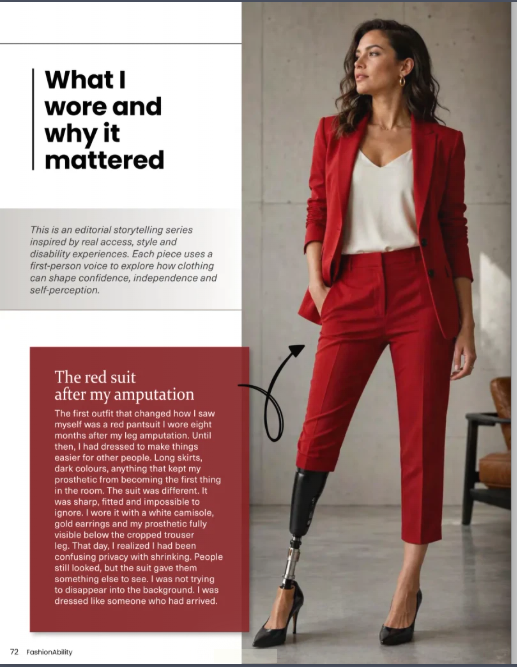
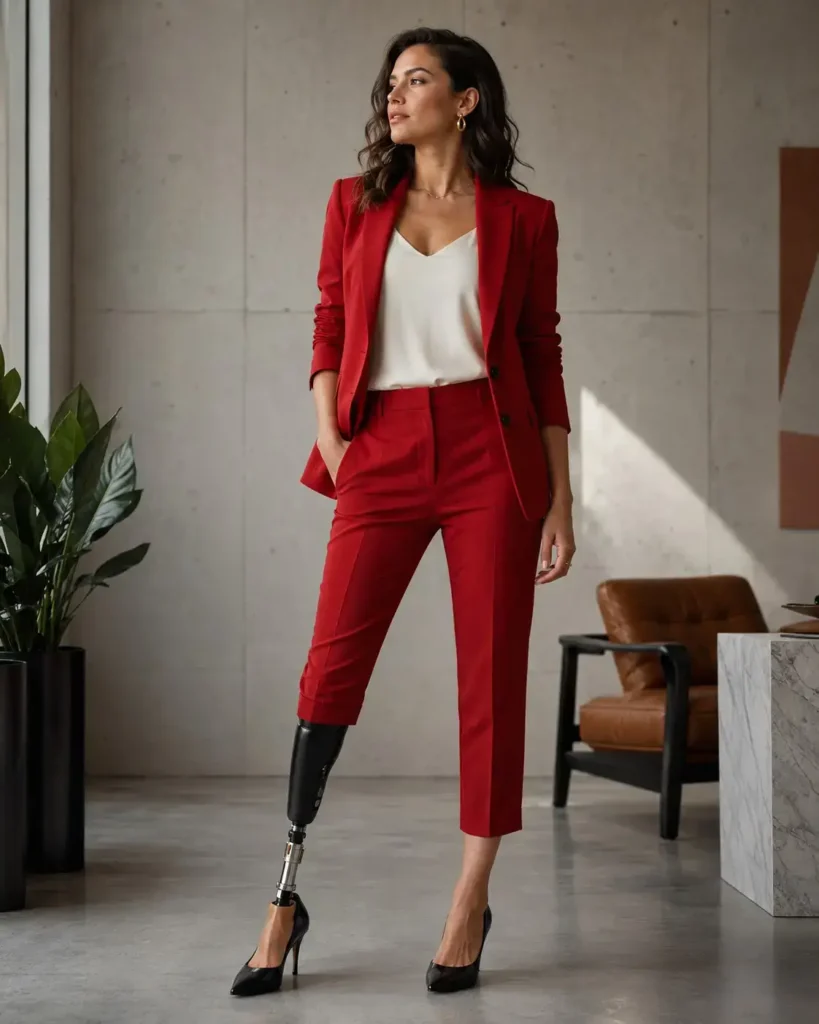
The red suit after my amputation
The first outfit that changed how I saw myself was a red pantsuit I wore eight months after my leg amputation. Until then, I had dressed to make things easier for other people. Long skirts, dark colours, anything that kept my prosthetic from becoming the first thing in the room. The suit was different. It was sharp, fitted and impossible to ignore. I wore it with a white camisole, gold earrings and my prosthetic fully visible below the cropped trouser leg. That day, I realized I had been confusing privacy with shrinking. People still looked, but the suit gave them something else to see. I was not trying to disappear into the background. I was dressed like someone who had arrived.
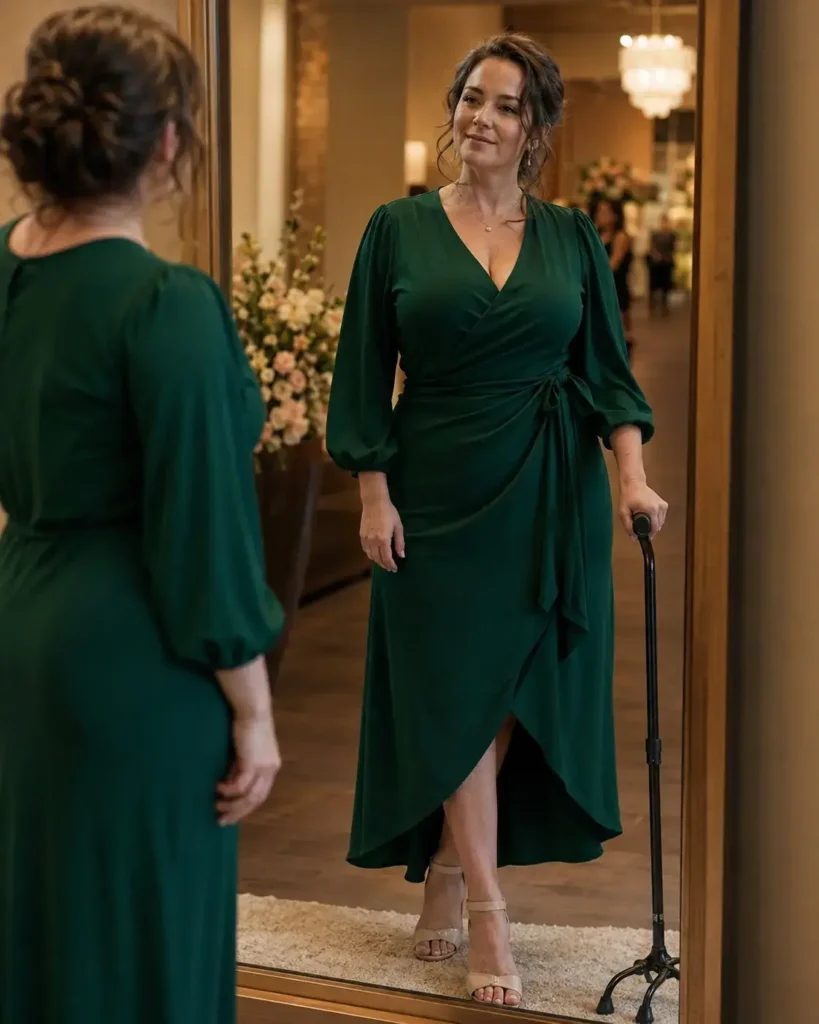
The dress I could put on by myself
For years, formal clothes made me feel like I had to choose between beauty and independence. I have cerebral palsy, and buttons, back zippers and stiff fabrics can turn getting dressed into a group project. The outfit that stayed with me was a soft emerald wrap dress with a side tie I could manage on my own. It had enough stretch to move with my body, sleeves that did not fight my shoulders and a shape that made me feel elegant without trapping me. I wore it to a family wedding and, for the first time in a long time, no one had to fuss over me before I left the house. That dress mattered because it gave me privacy, control and the simple pleasure of looking in the mirror and knowing I had done it myself.
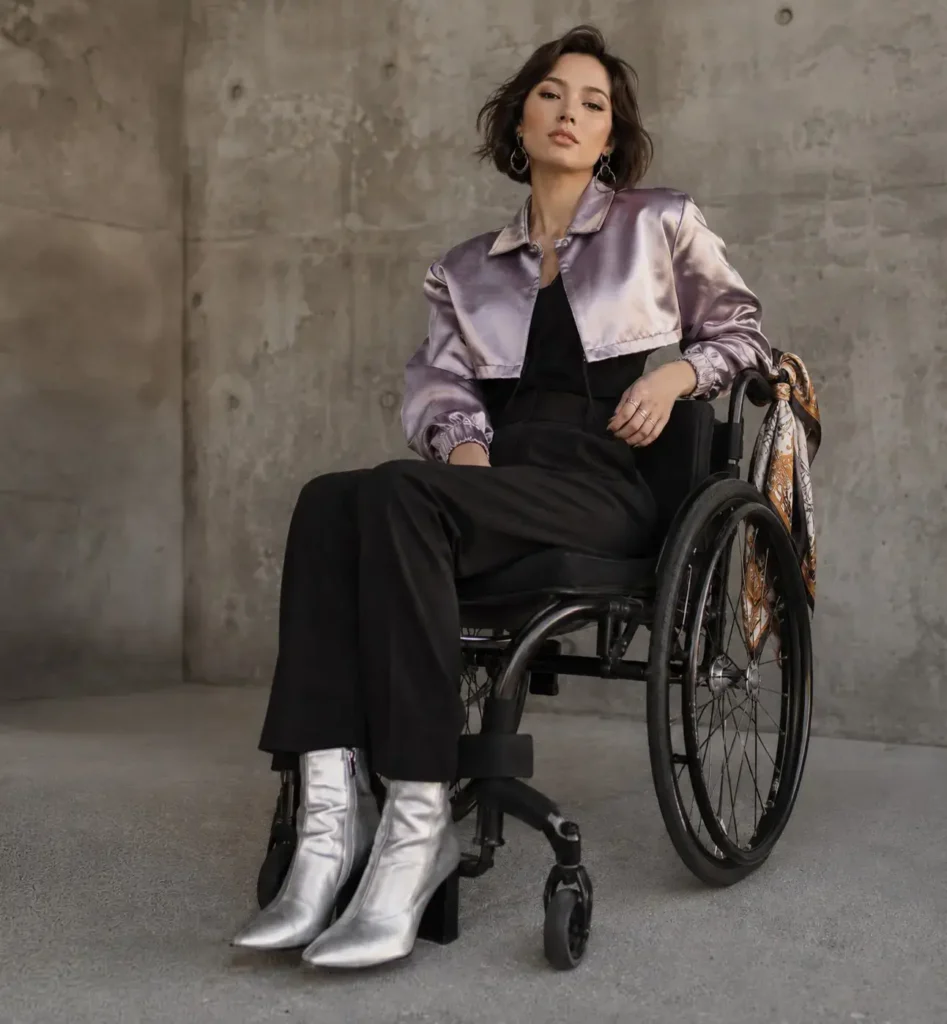
The outfit that made my wheelchair part of the look
I used to think of my wheelchair as something my clothes had to work around. After my spinal cord injury, I learned quickly that many outfits are designed for standing bodies, not seated ones. Then I found the look that changed things: high-waisted black trousers, a cropped satin jacket, silver boots and a printed scarf wrapped neatly around the backrest of my chair. Nothing bunched at my waist, the jacket hit exactly where I wanted it to and the scarf became part of the look without getting in the way. It was the first time I saw my chair as part of the styling instead of an interruption. The outfit made me feel intentional. Not accommodated. Styled.
The coat that helped me feel safe and seen
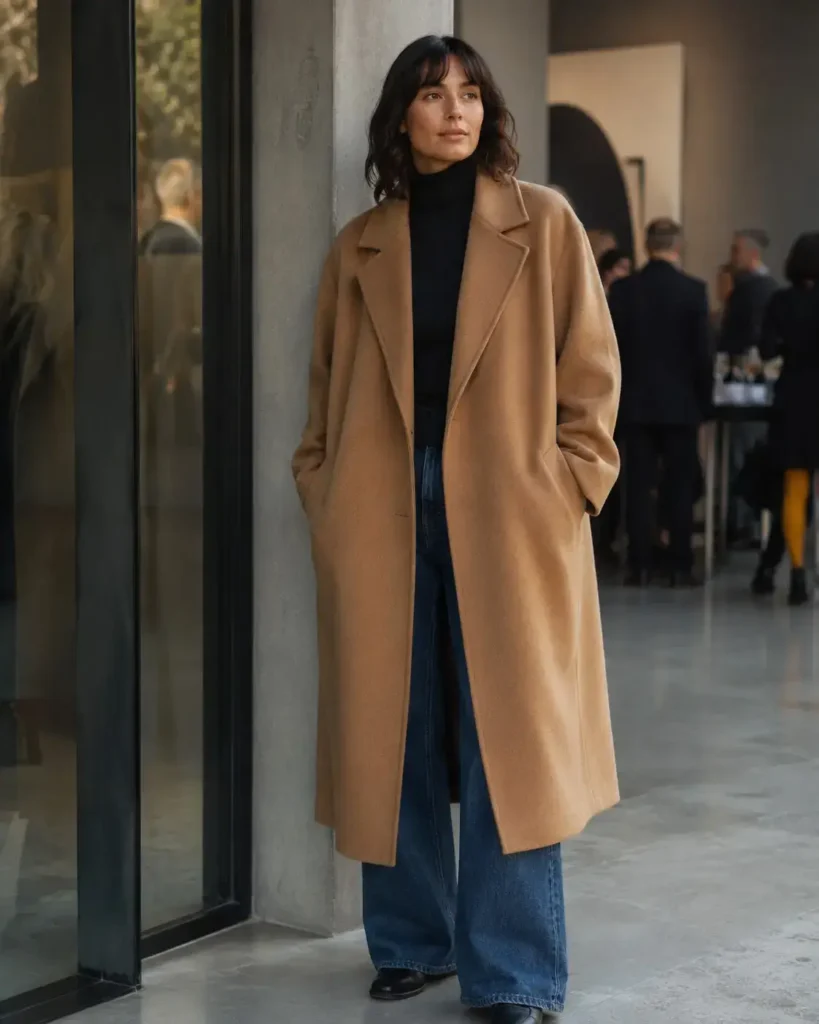
I am autistic, and clothing can decide the tone of my whole day. Scratchy seams, tight collars and noisy fabrics can make it hard to concentrate, but I still love fashion. The piece that changed how I saw myself was an oversized camel coat with a smooth lining, deep pockets and enough weight to feel grounding without feeling heavy. I wore it over a black turtleneck, wide-leg jeans and soft loafers to a work event I had been dreading. The coat gave me structure. It felt like armour, but beautiful armour. I did not have to explain my sensory needs or apologize for choosing comfort. I looked polished, but I also felt regulated. That combination felt like freedom.