





Listen to this Article

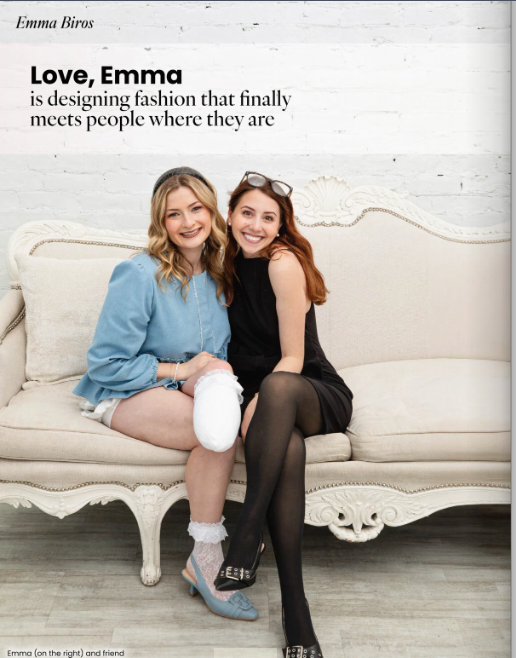
The fashion industry often celebrates confidence, individuality and self-expression. Yet for many disabled women, getting dressed can feel less like self-expression and more like problem-solving. For Emma, founder of Love, Emma, that reality became impossible to ignore during a seemingly ordinary shift as a college student working part-time as a fashion stylist.
The fashion industry often celebrates confidence, individuality and self-expression. Yet for many disabled women, getting dressed can feel less like self-expression and more like problem-solving. For Emma, founder of Love, Emma, that reality became impossible to ignore during a seemingly ordinary shift as a college student working part-time as a fashion stylist.
One of her regular clients often visited the store with her sister, Maddie, a young woman with cerebral palsy. Emma noticed that while Maddie’s sister enjoyed shopping, Maddie rarely seemed interested in the styling process. Then one day, she asked to be styled herself. Emma was excited. The two shared a love of pink and were close in age. Emma immediately began imagining outfits that would suit Maddie’s style and personality.
The excitement quickly faded. When Maddie returned, Emma had selected several pieces for her to try but almost nothing worked. Of the 10 pieces she pulled, only one came close to working. Even then, the dress was so long that the fabric would have become tangled in Maddie’s wheelchair. What should have been a fun shopping experience became the realization that fashion had not been designed with Maddie in mind.
Maddie was disappointed, her sister was frustrated and Emma felt helpless. Standing there, she realized she had misunderstood Maddie all along. Until that moment, Emma assumed Maddie’s lack of enthusiasm meant she simply was not interested in fashion. The experience revealed something entirely different. Maddie loved fashion. She wanted the same things many young women wanted . . . clothing that reflected her personality, made her feel confident and allowed her to express herself. The problem was that the options available to her rarely worked. What Emma saw that day was not someone rejecting fashion but someone who had grown tired of being excluded by it.
“It wasn’t that she didn’t care about fashion,” Emma says. “It was that she didn’t want to participate in something that wasn’t made for her.”
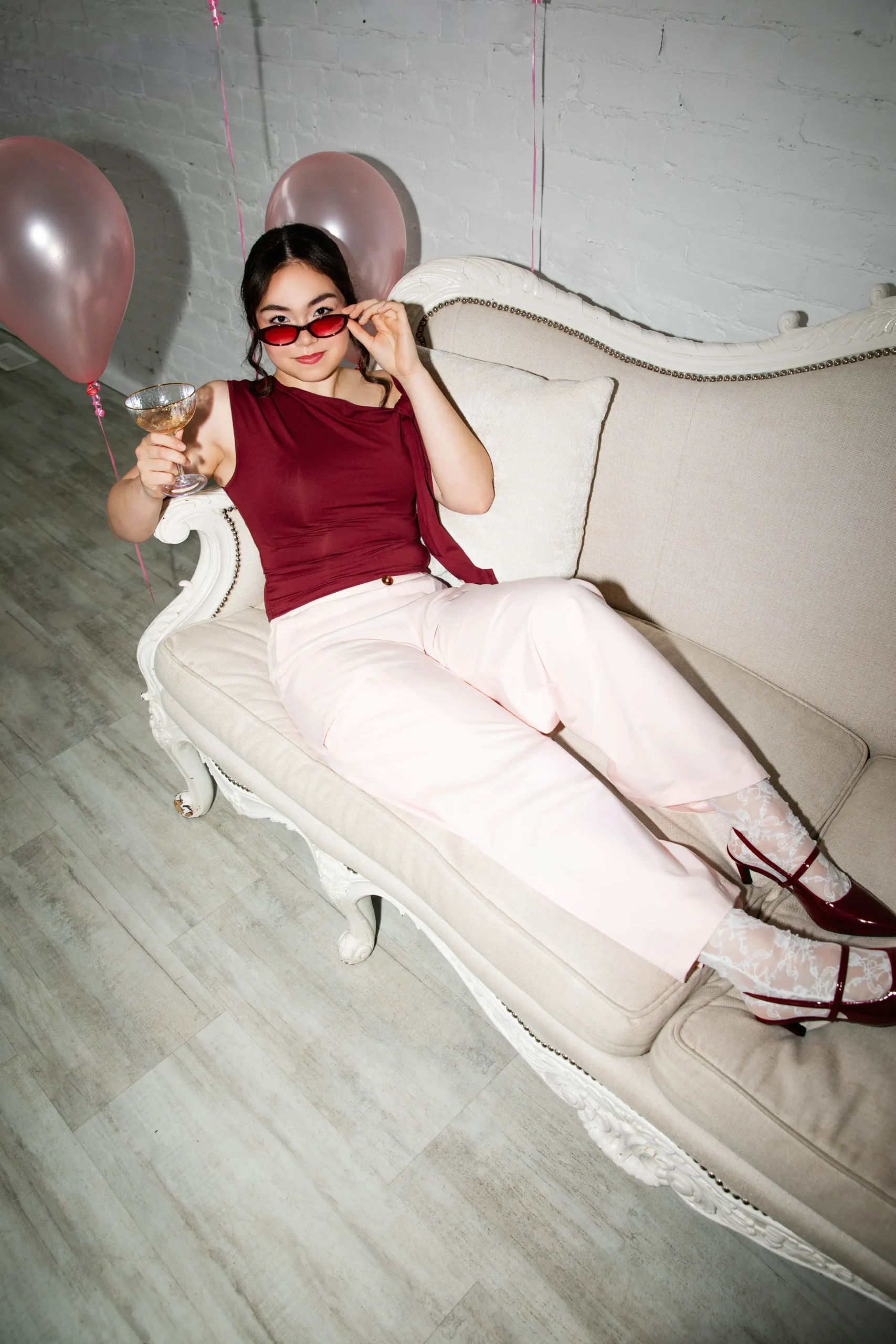
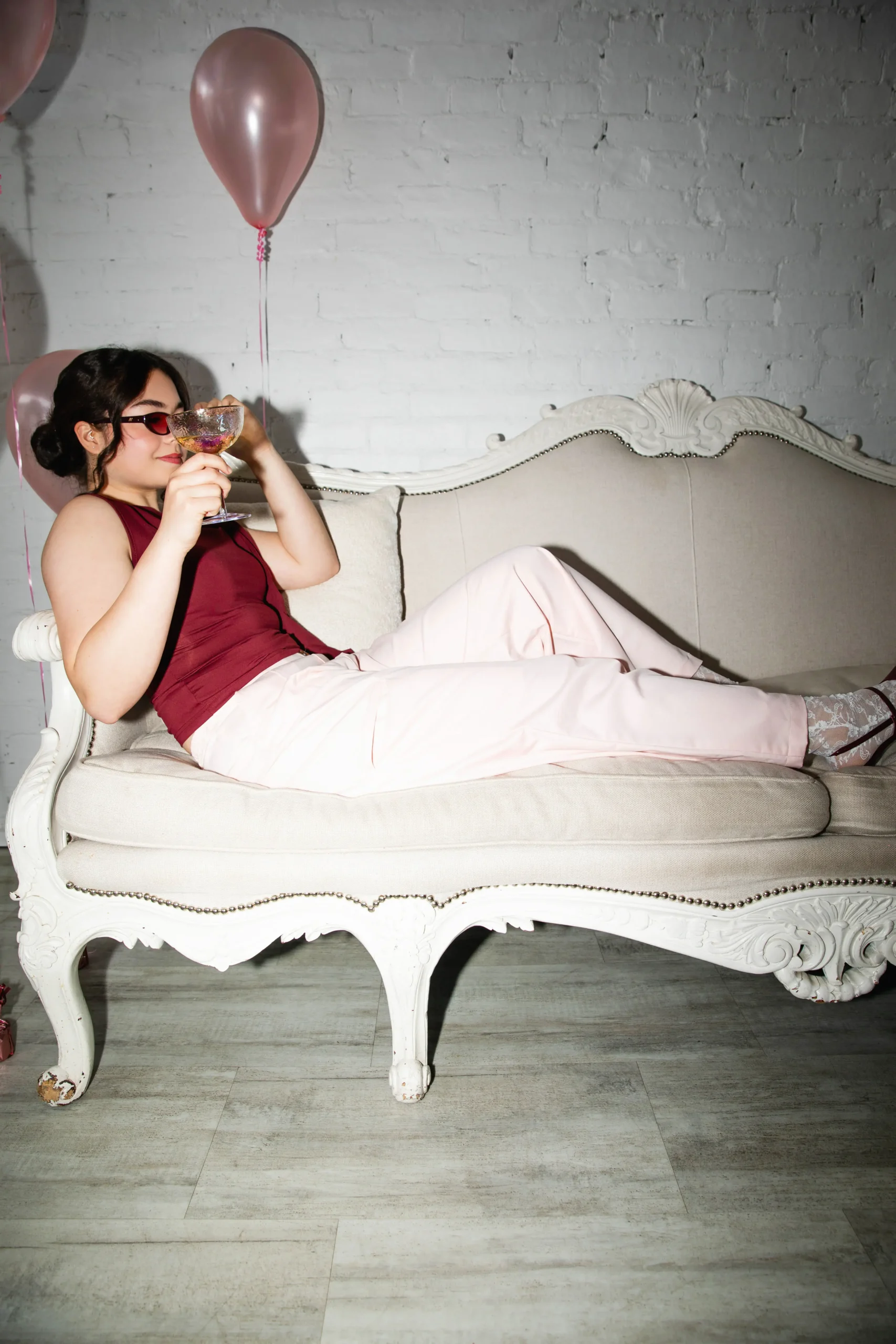
Like many people confronted with a problem, Emma went searching for answers. She looked for adaptive clothing that was colourful, stylish and designed for young women. What she found was disappointing. There were products that focused on function but very few that embraced fashion, personality or self-expression. The question that followed would eventually become the foundation of Love Emma.
At first, Emma assumed the answer was to create an adaptive fashion brand. Today, she remains deeply appreciative of the adaptive fashion companies doing that work. “They’re meeting a real and essential need, and I don’t think that should ever go away,” she says.
But as she continued learning and speaking with women with disabilities, her thinking evolved. A perspective shared by disability advocate Haben Girma stayed with her. Girma has spoken about how her biggest barrier was never her disability. It was ableism, a world designed without certain people in mind in the first place. That idea became a turning point. “The question I landed on for my own brand wasn’t solely, ‘How do I make fashion for women and girls with disabilities?'” Emma says. “It was, ‘How do I build something genuinely inclusive from the start, where accessibility is part of the design rather than added on later?'”
Rather than creating a separate collection designed specifically for disabled consumers, Emma began exploring how accessibility could be woven into the design process from the very beginning.
“It isn’t a separate or special line,” she says. “It’s just fashion that is accessible to more. To me that’s the difference between equity, which adjusts things after the fact, and inclusion, where it’s built in from the very beginning.”
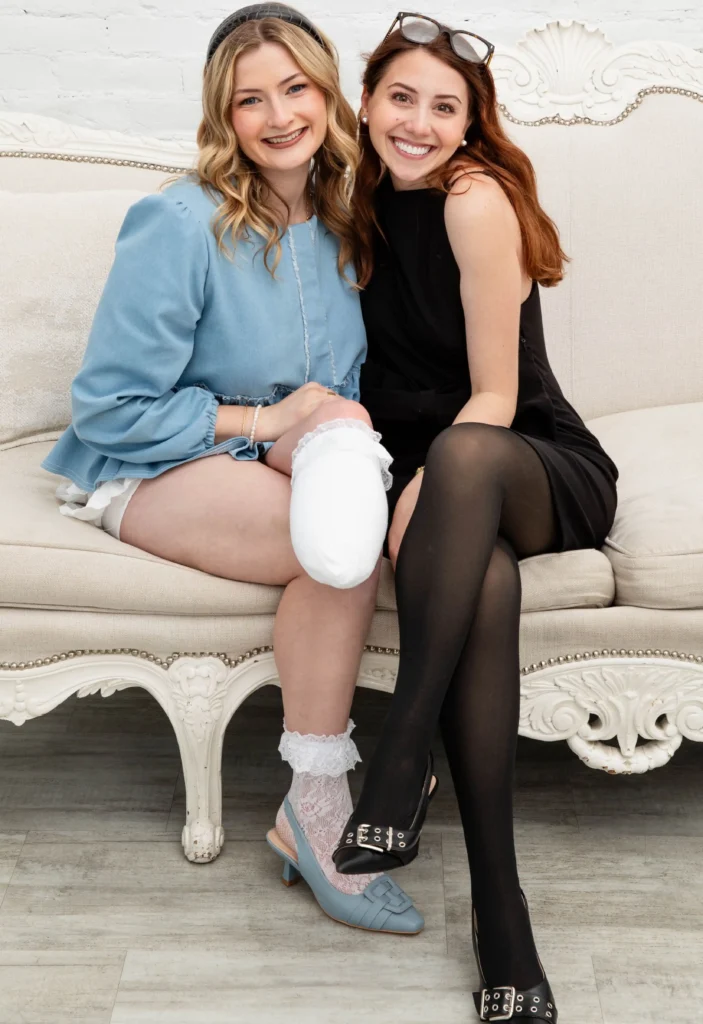
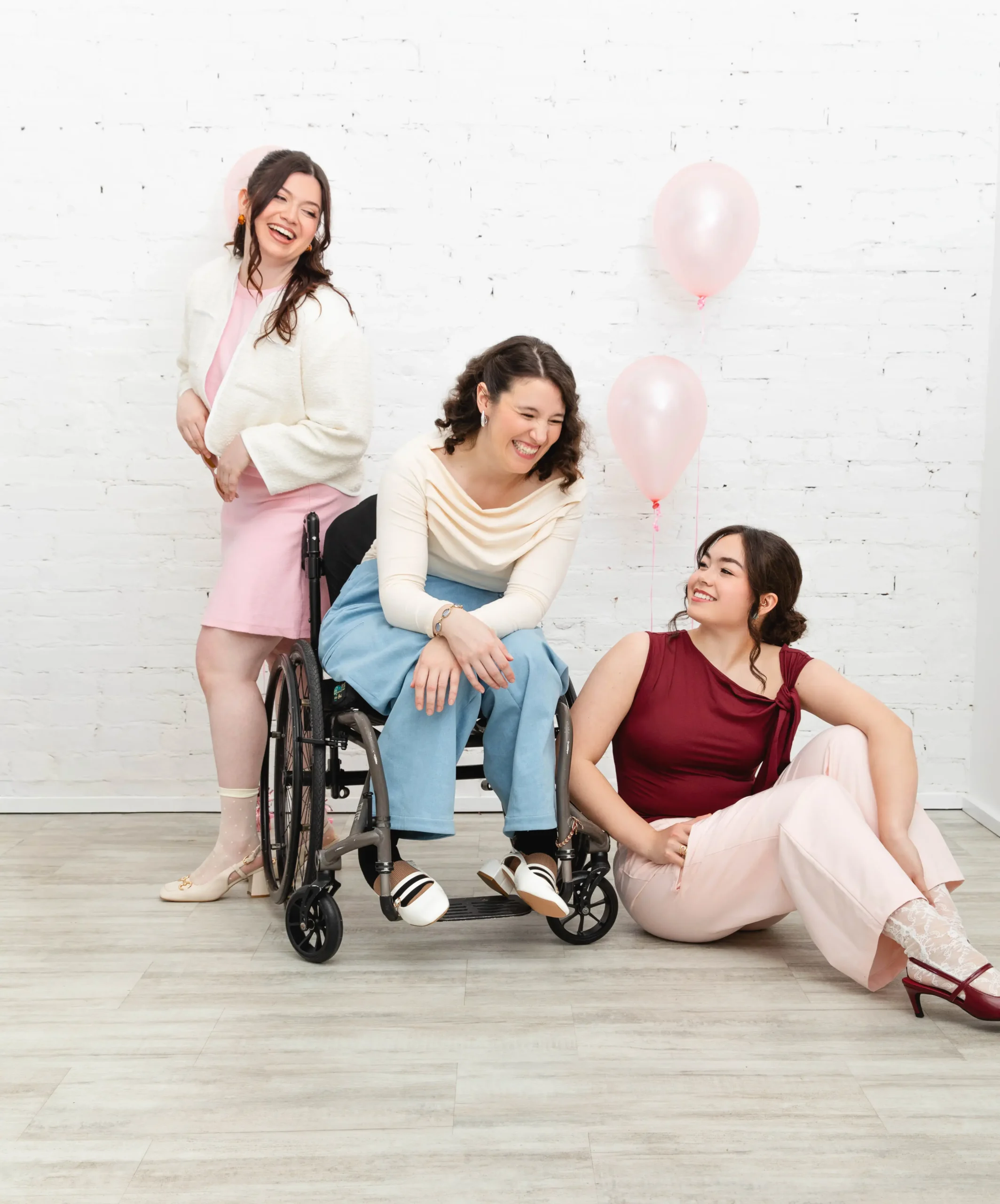
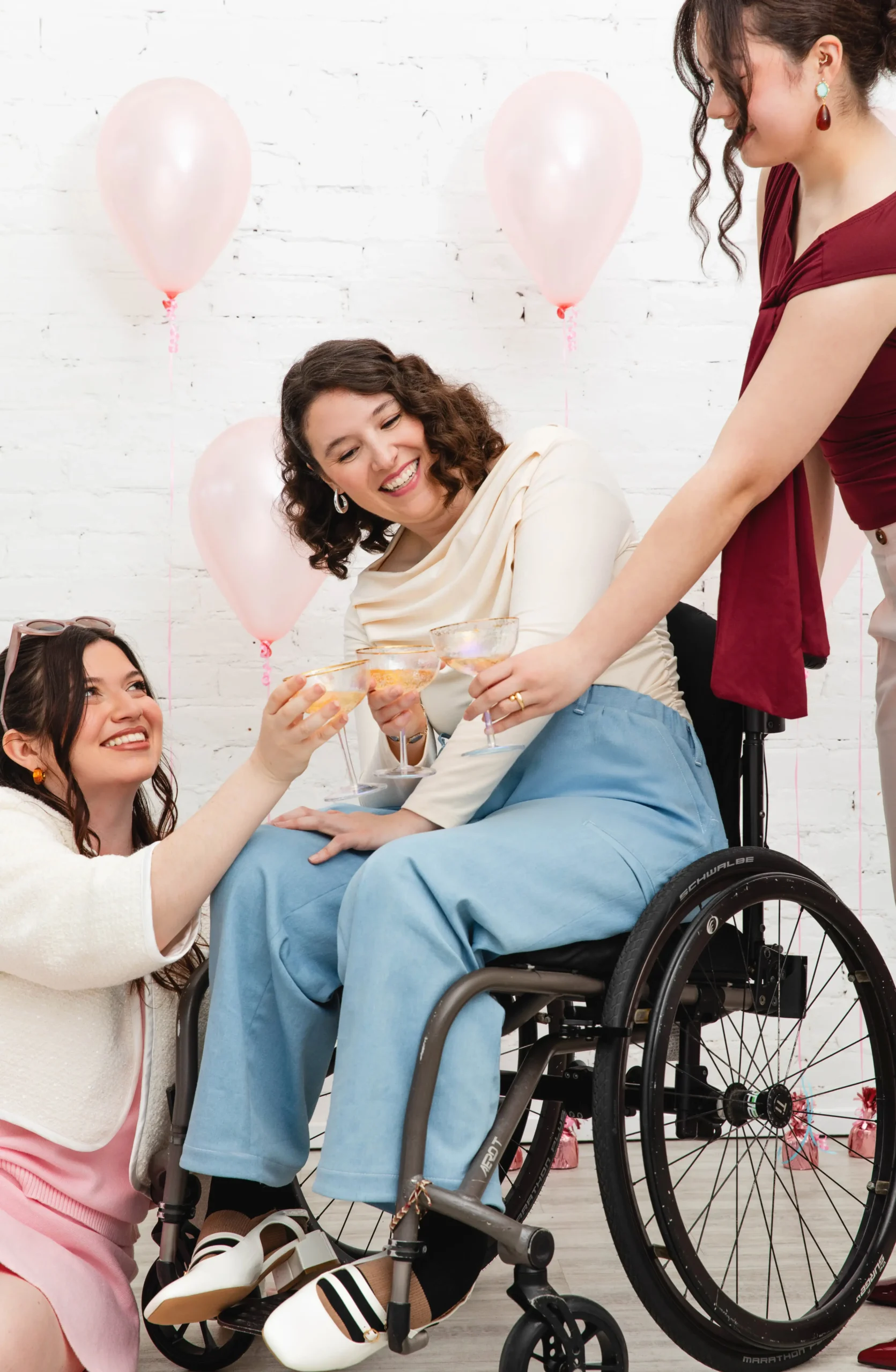
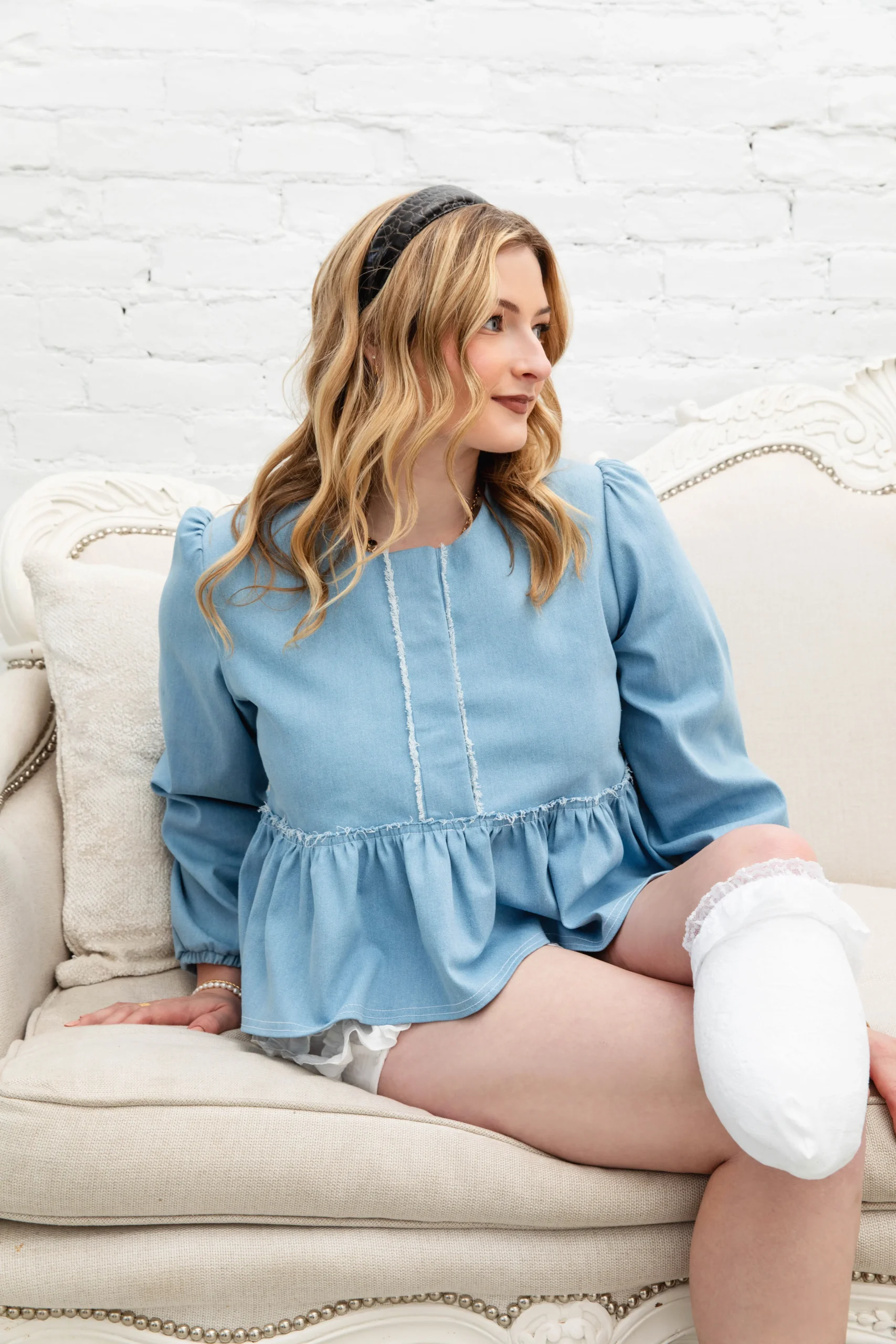
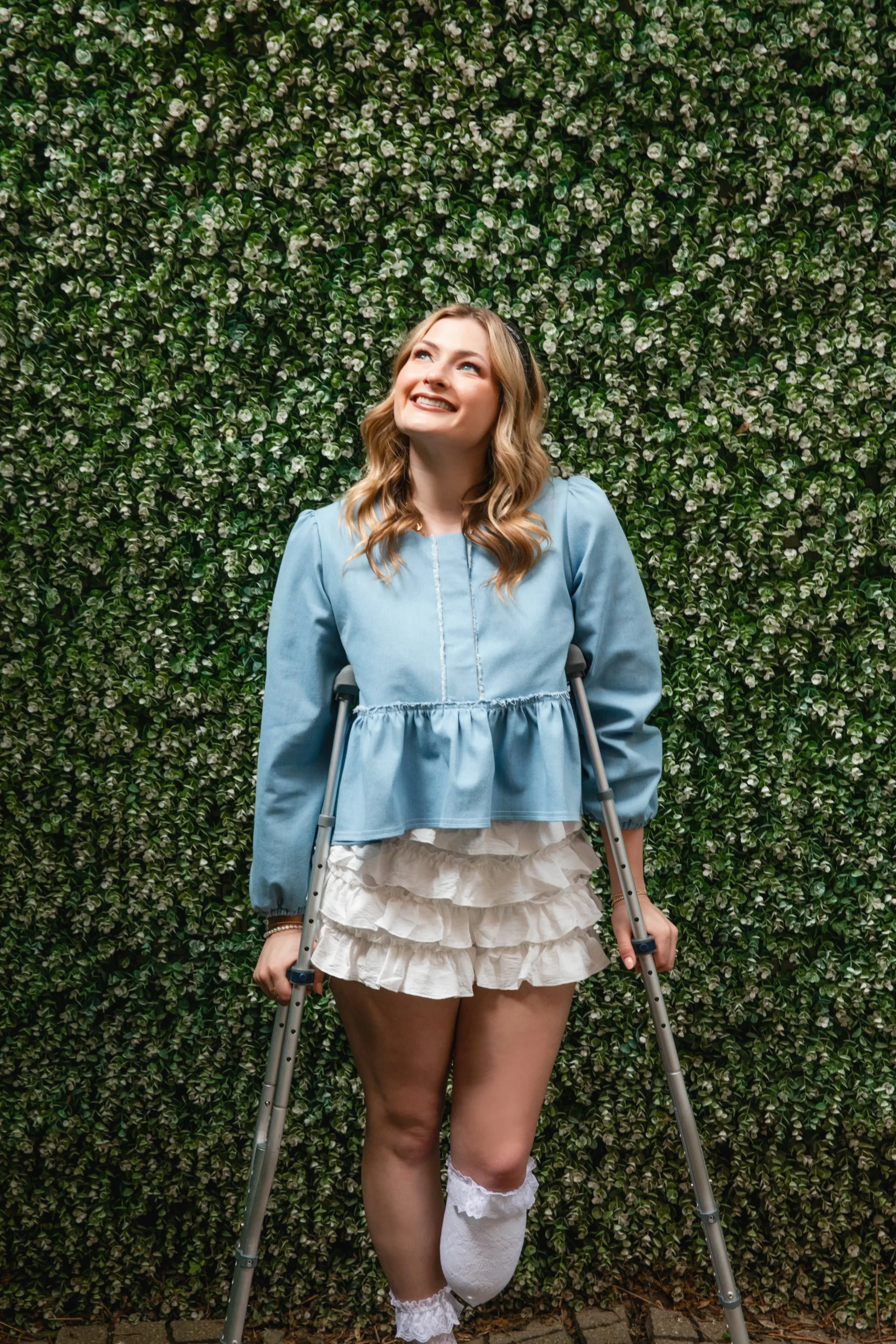
Emma’s route into fashion was unconventional. Her academic background was in special education, motivated by a desire to better understand the barriers disabled people face every day. While studying, she learned that the world wasn’t built with people with disabilities in mind. The usual fix was a special accommodation, and while those have real value, they can sometimes end up isolating the very people they’re meant to help. So when she heard Haben Girma share that her biggest barrier was never her disability, but the world designed without her in mind, it brought her right back to something else she had studied: a best practice called Universal Design for Learning (UDL). This is built on the idea that the barrier to learning is in the design of the environment, not in the student. Rather than adding fixes for individual students, it builds the classroom to work better for everyone from the start. That principle stayed with her, and it’s the same one she uses in her designs now: when you build for more people from the beginning, what works better for some works better for all.
Fashion is often dismissed as superficial, but clothing influences how people move through the world. The right outfit cannot solve every challenge, but it can help someone feel more comfortable, confident and willing to show up as themselves. That belief now shapes every decision she makes.
Unlike many founders, Emma did not come through a traditional fashion background. Instead, she sees herself as a creative problem-solver who approaches design from a different perspective.
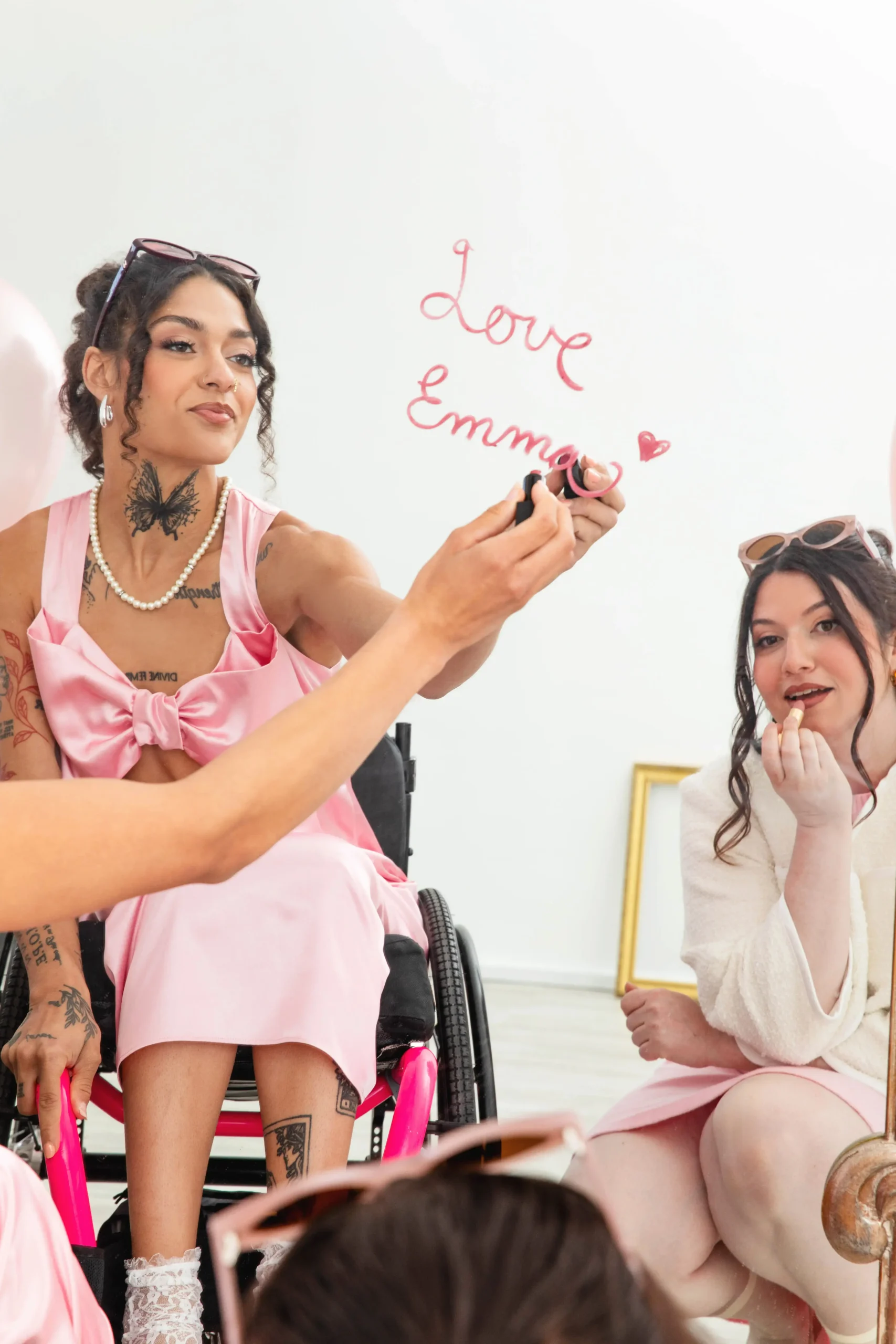
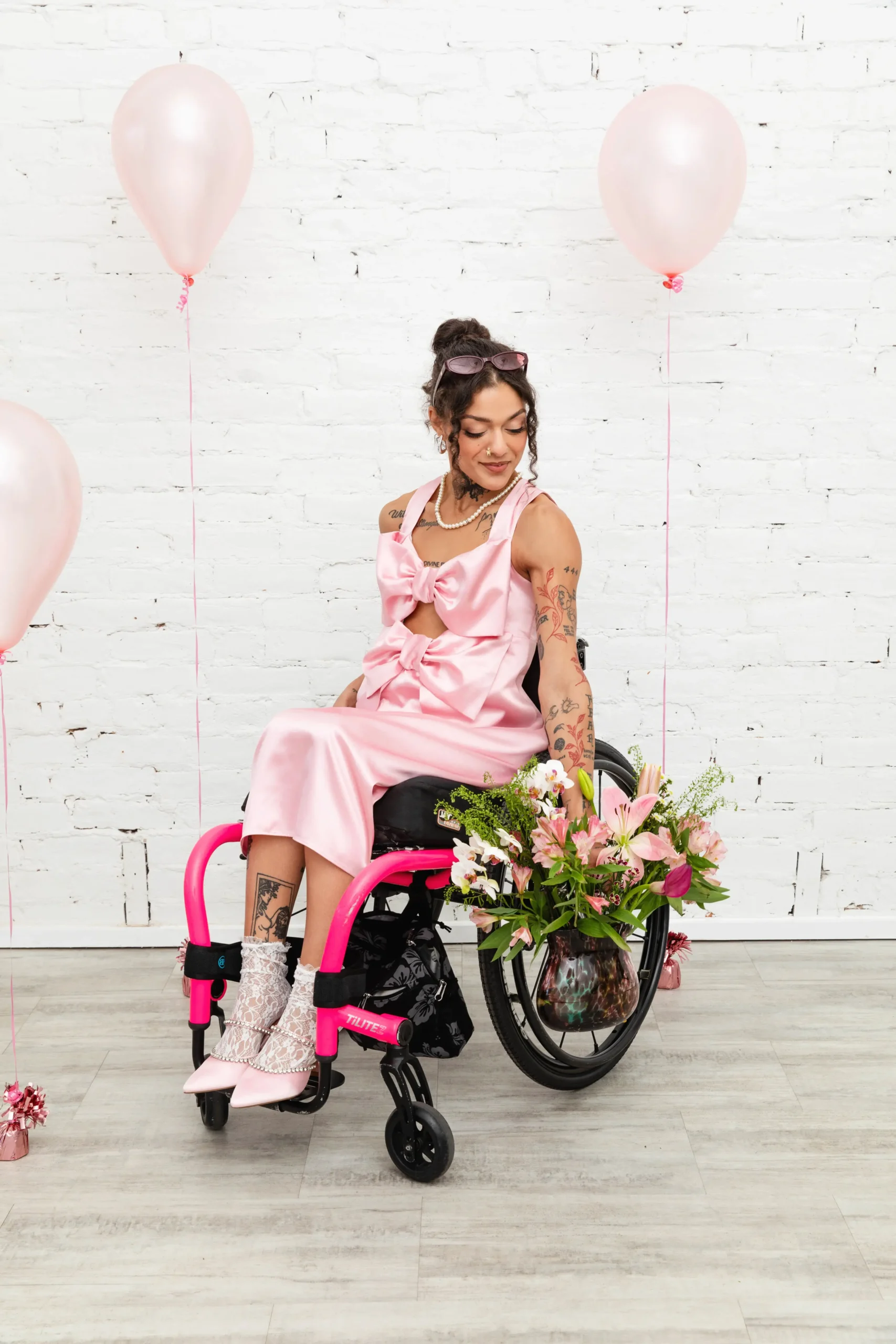
“I feel like I’m not boxed in by the usual rules. I get to approach design as what I really am, a creative who loves solving a good puzzle,” she says. “For me it always begins with the girls, and honestly that’s the part I love most, just sitting with them and listening to their experiences, what works, what doesn’t, what they wish existed.” Those conversations become the starting point for every design decision. From there, Emma begins sketching. Drawings fill notebooks and digital canvases. Sketches evolve into mood boards and mood boards become mock-ups which eventually become garments.
“The whole way through, I’m trying to treat how something works and how something looks as one and the same thing, never two separate problems,” she says.
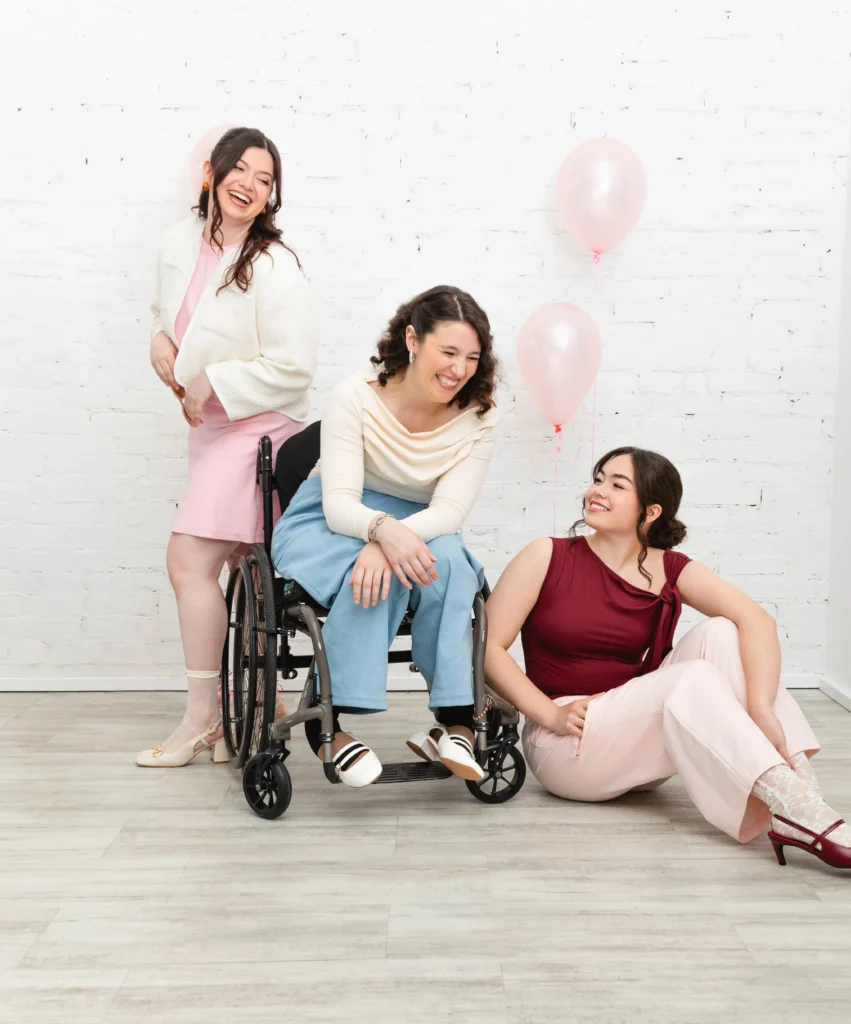
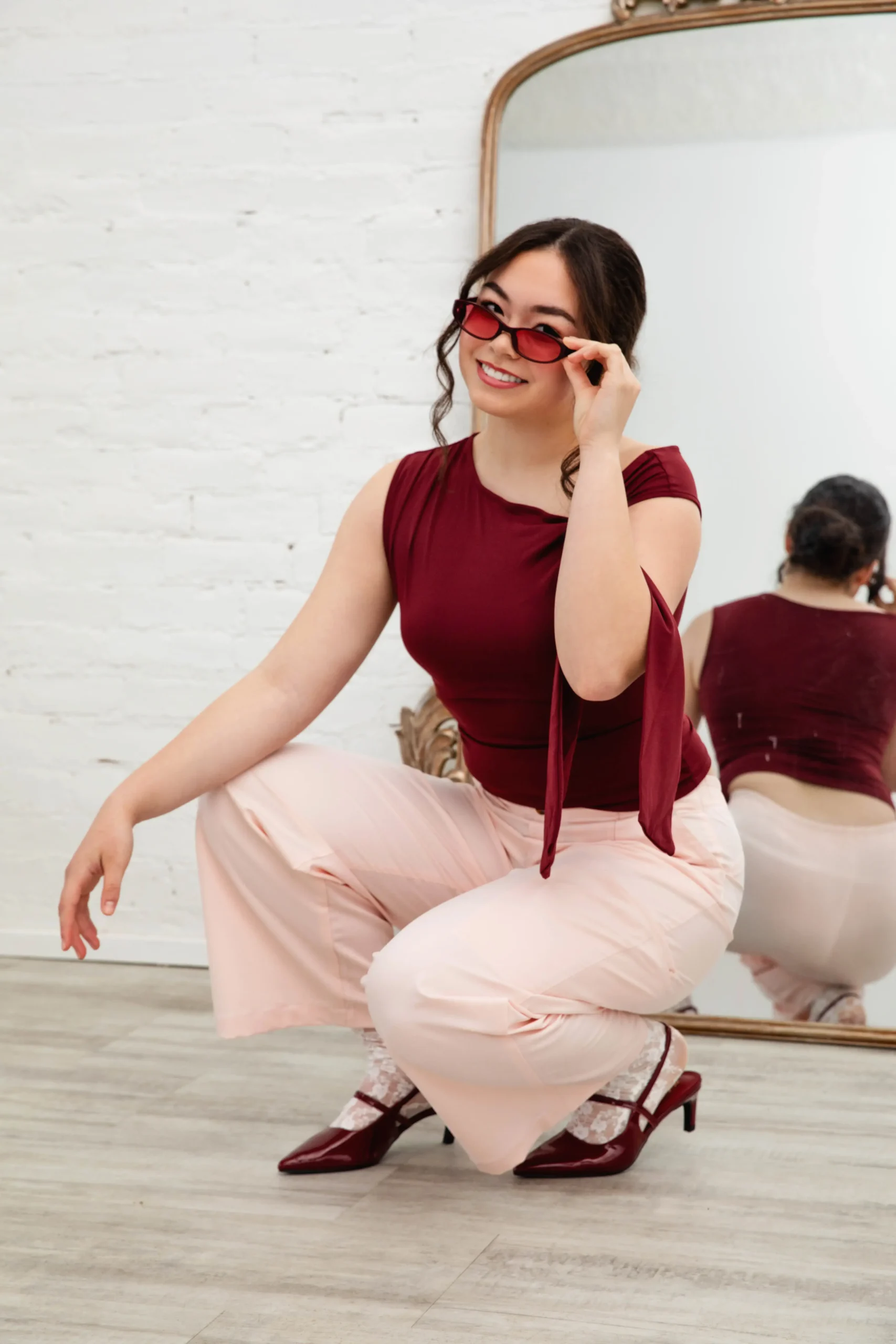
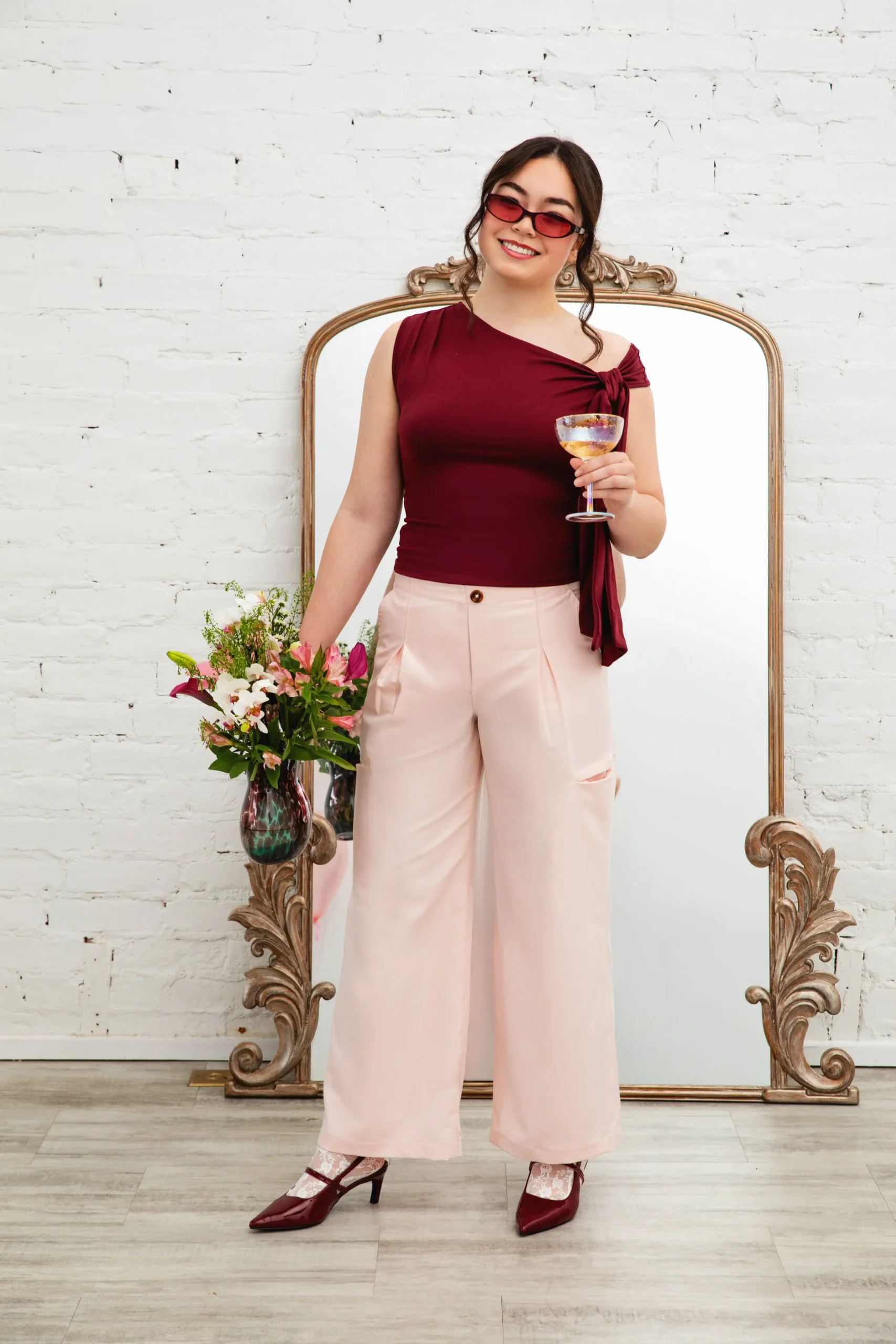
That approach can be seen throughout her collection. Emma describes Love, Emma as a universally designed fashion label, meaning the clothing is created with the needs of women with disabilities and chronic illnesses in mind while remaining appealing and functional for a broader audience. “I have found that a lot of what makes something accessible for someone, ends up being something better for those who might not have a disability.” Magnetic closures help someone with limited hand mobility, and they also help anyone trying to get out the door without fighting a row of buttons. Easy access at the chest and stomach matters for people with ports, stomas, or medical equipment, and it works just as well for breastfeeding moms. Seated designs are built for wheelchair users, and they’re more comfortable for anyone who sits at a desk all day. Stretch fabrics, flexible waistbands, and softer silhouettes move with fluctuating symptoms and changing comfort throughout the day, and they’re just as welcome when you’re on your period or bloating. The goal is not to create clothing that feels medical or clinical. It is to create fashion that is expressive, feminine and confidence-building that opens up to more people instead of narrowing to a few.
Accessibility extends beyond the garments themselves. Love, Emma uses sewn-in QR code tags that connect to screen-reader-friendly descriptions and care instructions, allowing blind and low-vision customers to independently identify and care for their clothing.
Behind the scenes, bringing those ideas to life required collaboration. Emma credits Sew Valley, a Cincinnati-based nonprofit that helps designers move products from concept to market, with helping guide the brand through numerous rounds of development and revisions. She also worked with adaptive and universal design consultant Tracy Vollbrecht to further strengthen the accessibility of the collection. Yet when Emma talks about the future of Love, Emma, she rarely focuses on garments alone. What she hopes people feel when they encounter the brand is friendship, joy and belonging.
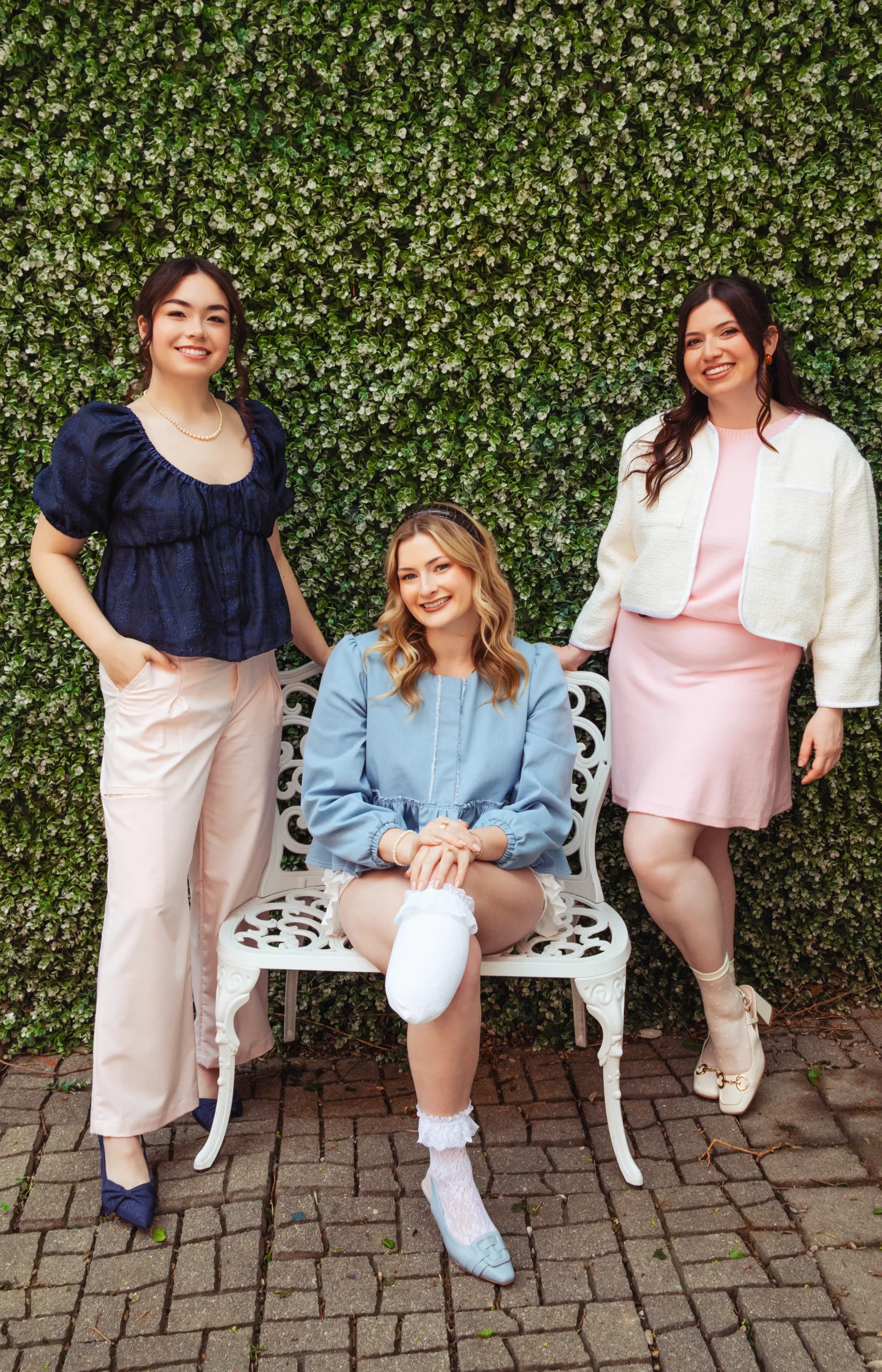
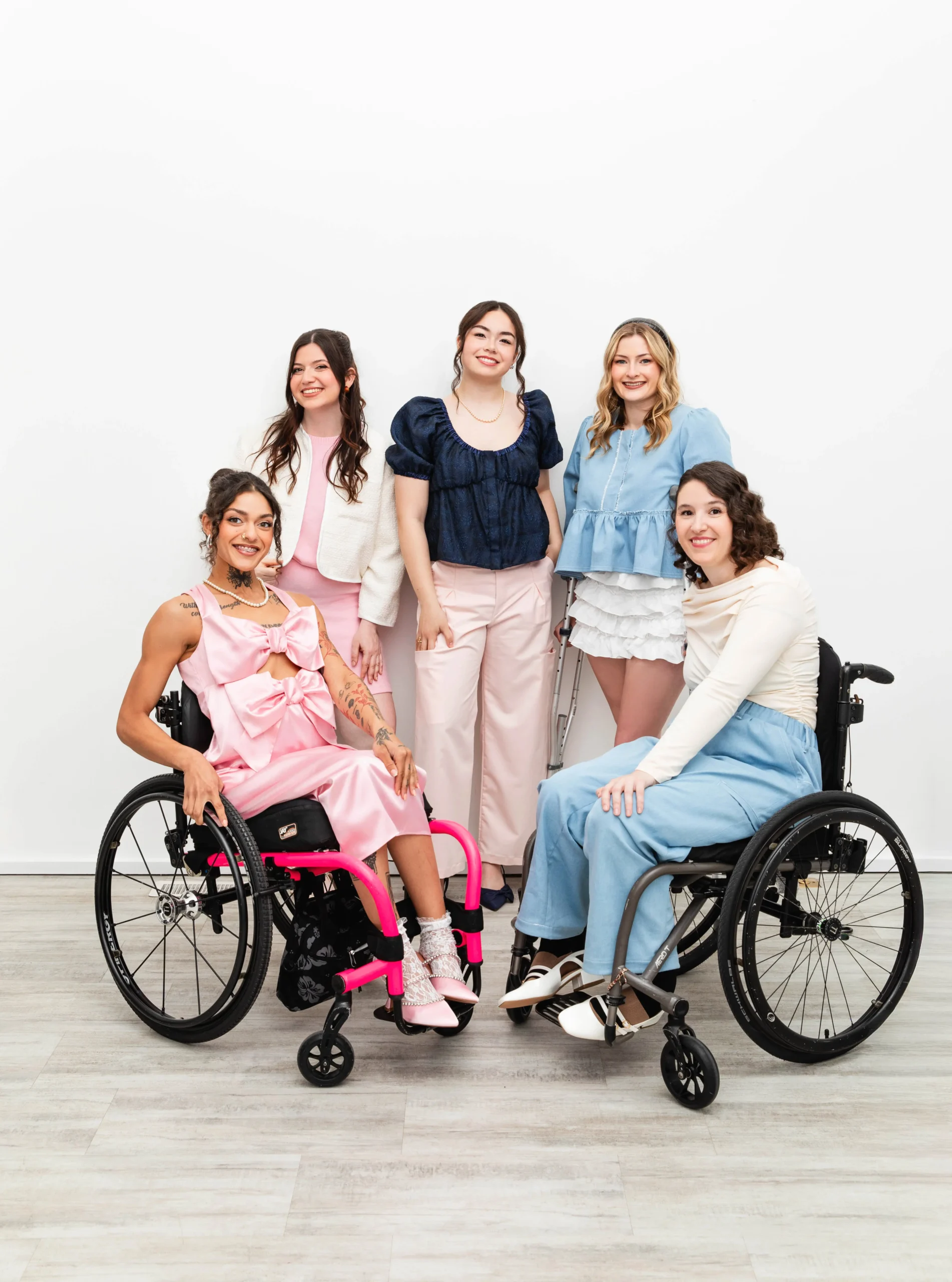
She often thinks back to her college years, when sharing clothes with friends was a normal part of everyday life. Outfits were borrowed, swapped and celebrated together. It is an experience she wants disabled girls and women to have as well. That sense of connection is just as important as any design feature. The pieces may be romantic, whimsical and feminine, but the goal goes deeper than aesthetics. She wants the women who wear them to feel welcomed into fashion, free to express themselves and surrounded by the same sense of possibility that clothing has offered so many others for generations.
But it all goes back to Maddie. A young woman wanted a pink outfit for a vacation and discovered that the industry had not made room for her. Love, Emma is the answer to that problem. And if the founder has her way, future generations of disabled women will not have to wonder whether fashion was designed for them. They will already know the answer.