






Listen to this Article
Adaptive fashion is often discussed as a category, a trend or a specialized market. But for many disabled people, getting dressed is not about trends at all. It is about function, comfort, identity and finding ways to feel like yourself in a world where clothing is rarely designed with different bodies or needs in mind. Nobody wakes up and thinks, “I’d love to wear some adaptive fashion today.”
They wake up wanting to feel like themselves. And for millions of people navigating disabilities, that desire runs headlong into a world of zippers that won’t cooperate, shoes that won’t accommodate, and waistbands apparently designed by someone who has never had a bad morning in their life.
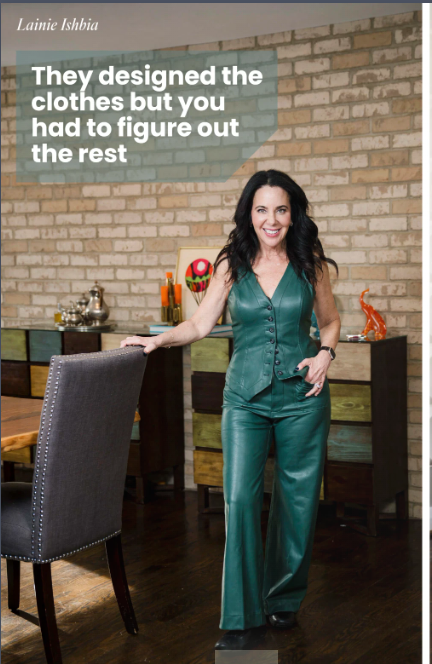
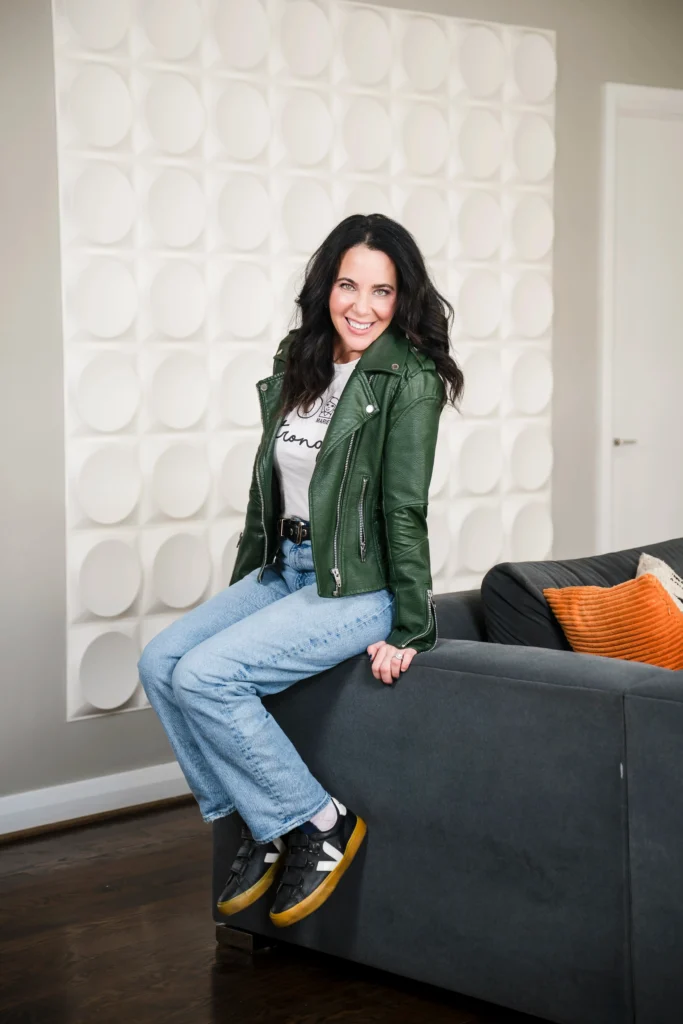
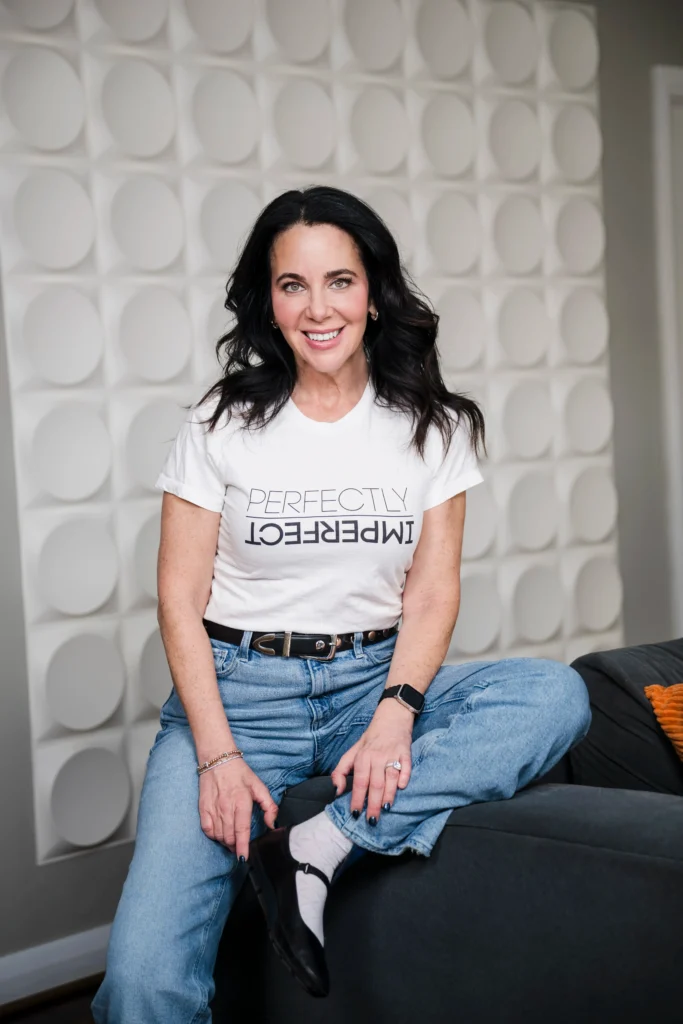
Lainie Ishbia knows this intimately. The founder of Trend-Able, and a woman who has worn leg braces for over three decades, she is not your average style authority. A former therapist turned fashion detective, she is also a disability advocate who will recommend Lane Bryant for shoes and Rag & Bone in the same breath. Arguably one of the most practical, warm and knowledgeable voices in the space, her perspective brings a level of honesty and functionality that fashion conversations often lack. Fashion, she will tell you, is not frivolous for people with disabilities. It is a daily act of self-determination.
Living with Charcot-Marie-Tooth disease, a neurological condition that affects strength, mobility and fine motor function, Ishbia, through Trend-Able, she helps disabled individuals find practical fashion workarounds, adaptive styling ideas and accessible footwear options that work with different mobility needs. Drawing from her own lived experience, she has become known for helping people rethink fashion not as limitation, but as problem-solving, self-expression and confidence. That perspective comes from years of adapting clothing, footwear and everyday fashion choices to work with her own body and lifestyle rather than forcing herself into designs that were never created with disability in mind.
When someone navigates mobility challenges, dexterity limitations, leg braces, chronic pain or fatigue, getting dressed can involve a constant series of calculations. Will these shoes accommodate braces? Can this zipper be managed independently? Will this fabric become uncomfortable later in the day? Is the look worth the physical exhaustion that may follow?
“Individuals with disabilities are often asking themselves questions that others may never have to consider,” Ishbia explained.
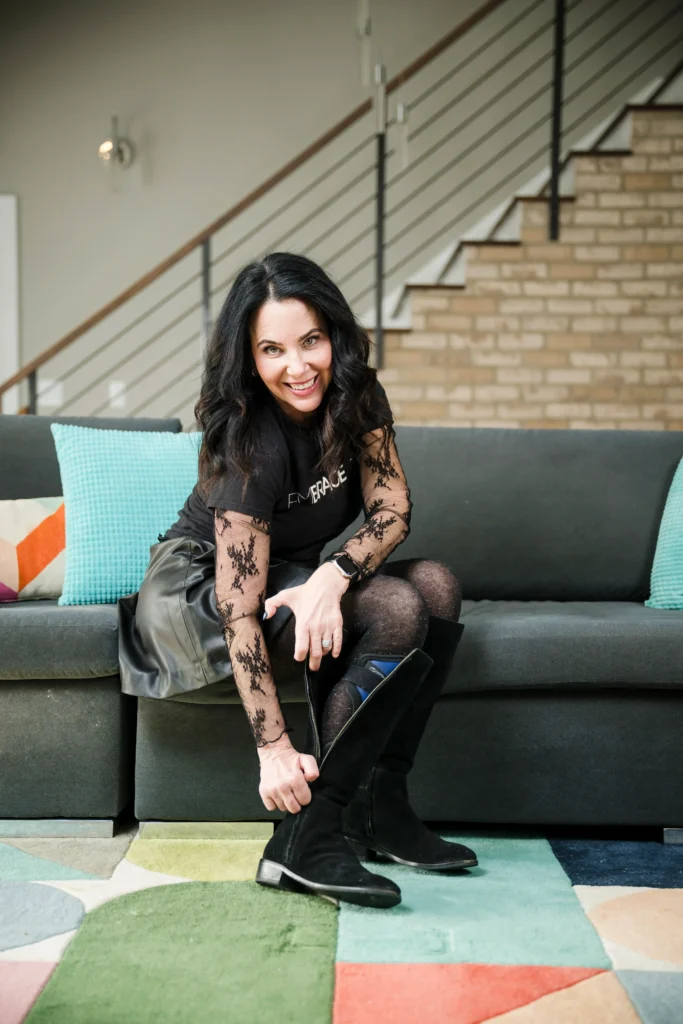
She describes adaptive fashion less as a separate style category and more as problem-solving. Many disabled people become experts at modifying and rethinking clothing without ever intending to become fashion innovators. Something as simple as adding a ring to a zipper pull can make a garment wearable. Replacing buttons with magnets or adding elastic panels can completely change how accessible an outfit becomes.
These adaptations are essential for Ishbia. She often looks at garments strategically, thinking through how they can be modified to work for her body rather than automatically dismissing them. That process can be exhausting. Shopping itself often becomes detective work. Rather than simply searching for a dress or pair of shoes, disabled shoppers may need to search by function first. Pull-on styles, stretch fabrics, removable insoles, wider shoe openings and magnetic closures can make a significant difference. Reviews become important because product descriptions often fail to reflect real accessibility needs.
At the same time, adaptive fashion is not only about practicality. Clothing can also affect emotional well-being and self-esteem particularly for people who have historically been excluded from mainstream fashion conversations. Lainie Ishbia explained that fashion allows disabled individuals to feel seen as complete people rather than being defined only through disability. She described clothing as a form of communication that reflects personality, creates connection and helps people feel more like themselves. Whether someone chooses to stand out boldly or simply blend comfortably into a crowd, wearing clothing that feels authentic can have a meaningful emotional impact.
Ishbia noted that even small details, such as a favourite outfit, bold accessory or recognizable sense of style can become a conversation starter that shifts attention away from intrusive questions and toward genuine human connection. For many disabled individuals, she said, the difference between simply tolerating clothing and truly identifying with what they wear can be deeply empowering.
“To not have the first question be, ‘What’s wrong with you?’ and instead be, ‘Where did you get your earrings?’ definitely makes you feel respected as a person with a disability,” she said.
That does not necessarily mean everyone should try to stand out. Ishbia stresses that style is personal. Some people want bold fashion choices while others simply want to blend into the crowd comfortably. The goal is not to dress for other people’s expectations but to feel more like yourself. For some people, that may involve decorating a mobility aid, wearing statement accessories or simply choosing clothes that feel emotionally rewarding rather than physically draining.
Adaptive fashion also does not always come from adaptive brands. Ishbia points out that some of the most useful accessible design features now exist within mainstream fashion because comfort has become more normalized. Athleisure, stretch fabrics, elastic waists and soft structured clothing have unintentionally made fashion more wearable for many disabled people.
She says one of the biggest misconceptions is that adaptive clothing must look medical or noticeably different. But in reality, “The best adaptive design goes unnoticed. It doesn’t look like it’s adaptive,” Ishbia said.
Still, the industry continues to fall short in many ways. Ishbia believes brands are still largely designing for one type of body and expecting consumers to adapt themselves afterward. Inclusive fashion often remains separated into dedicated sections rather than integrated throughout collections.
She imagines a future where mainstream retailers allow shoppers to customize garments directly through online ordering, whether that means adding Velcro, magnetic closures or modified shoe widths. Instead of disabled consumers having to work around clothing, the clothing itself could adapt to people’s lives.
Until then, many disabled people continue finding their own solutions. For Ishbia, adaptive fashion is ultimately about freedom, dignity and self-expression. It is the difference between tolerating clothing and genuinely feeling like yourself in what you wear.
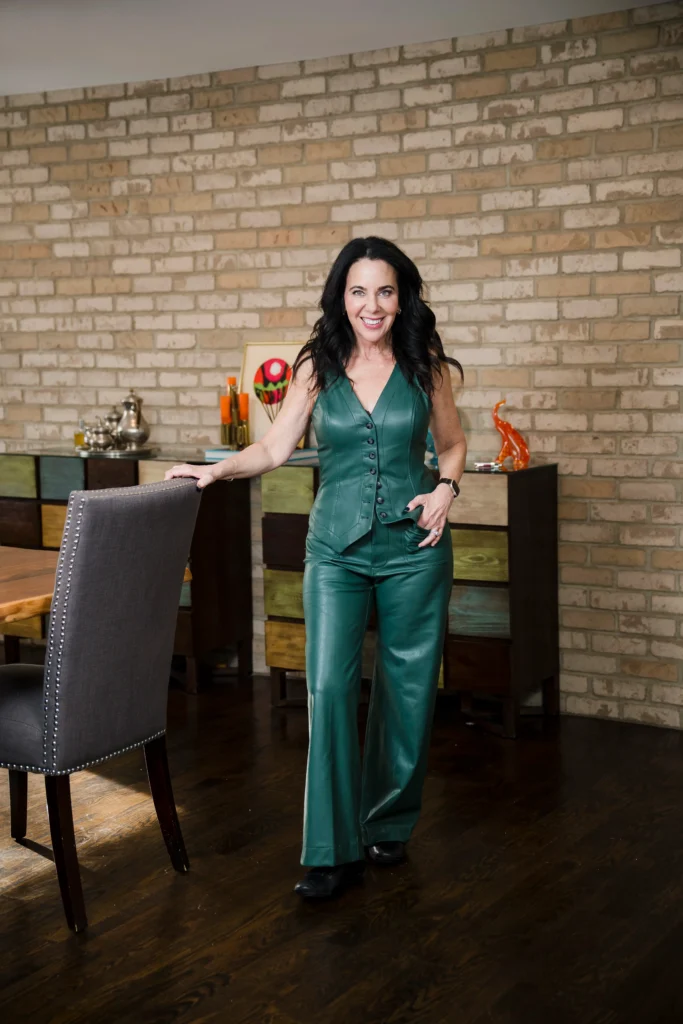
Lainie’s 5 adaptive fashion tips you can apply immediately
- Look for adaptive features hiding in plain sight.Athleisure brands, trouser pants with hidden elastic, and pull-on silhouettes are often the most wearable options without any modification needed. Most adaptive fashion is not marketed as adaptive. Train your eye to find it first before assuming anything needs altering.
- Function is not the enemy of style. Prioritize it anyway.If a garment exhausts you, limits your movement, or causes pain by noon, it is not serving you regardless of how good it looks. Trends are not worth your physical comfort or your energy. If the uncomfortable part can be removed from your life, remove it.
- Seek out stretch, wide openings, and adjustability.Adjustable straps, removable footbeds, stretch fabrics, and wide openings are features worth hunting for. Feet can change size throughout the day. Clothing that accommodates that reality is not a compromise. It is simply better design.
- Never underestimate small alterations.A $20 tailor visit can add Velcro to a side seam, sew loops into a waistband, or swap buttons for magnets. Magnetic clasp attachments for jewelry are available on Amazon, require no tools, and convert any necklace in minutes. A hardware store jump ring on a zipper pull costs almost nothing. These are not workarounds, they are design.
- Build your wardrobe around ease and identity, not obligation.Stop dressing around what you think you are supposed to wear. Wear what makes you feel like yourself. Bedazzle the cane. Keep a black cardigan in your car. Layer up rather than freeze. The goal is a wardrobe that reflects who you are and removes friction from your day, because that friction is real, and you should not have to carry it alone.
For more fashion insights and advice from Lainie, visit her website, TrendAble or check out her Instagram account, @trend.able. She helps people with CMT, MS and Foot drop to emBRACE it.