









Listen to this Article

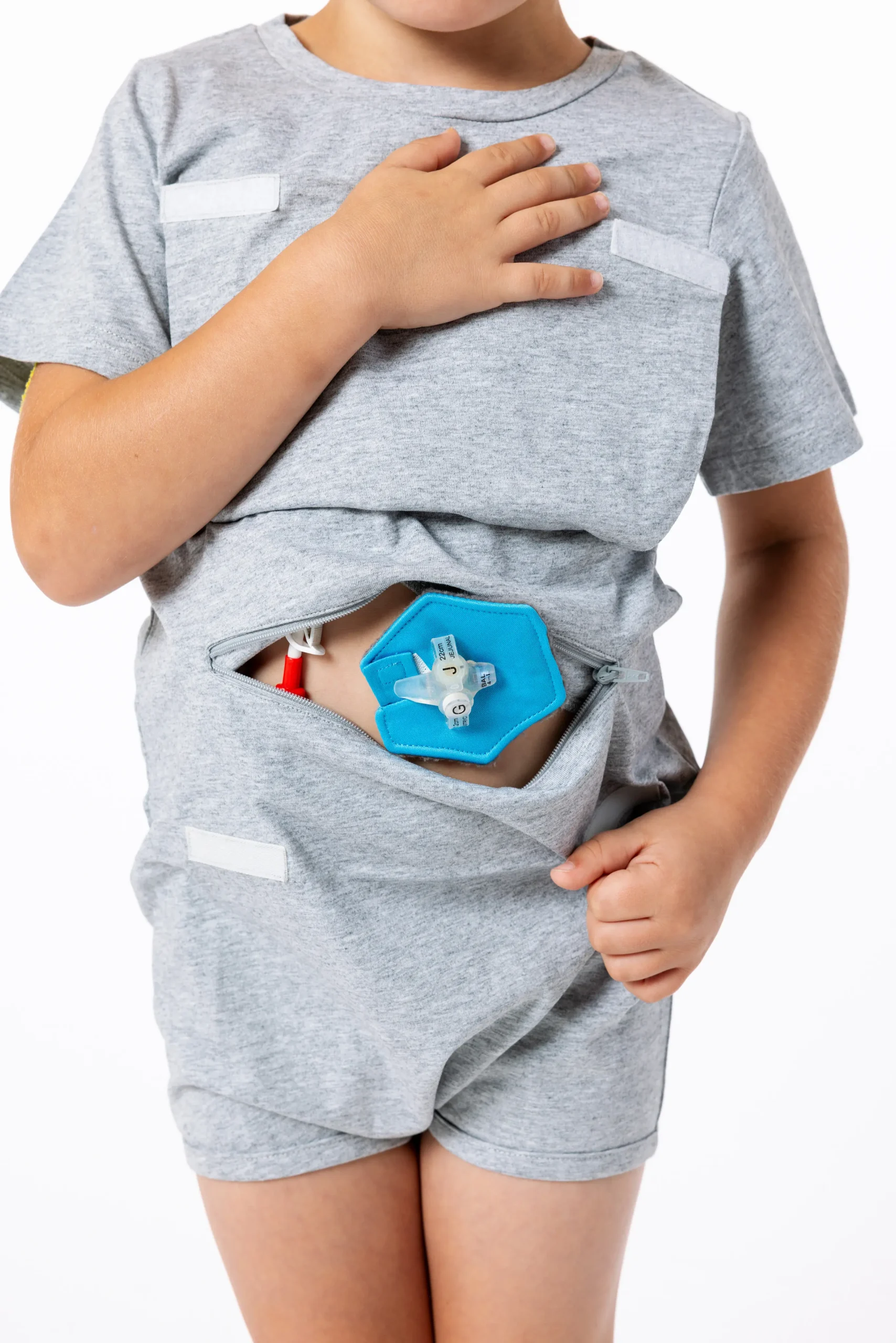
When fashion designer Saba Kamaras watched her brother and sister-in-law care for her niece Eva, who had a gastrostomy tube placed when she was very young, she noticed something that no one in the industry seemed to be paying attention to. Every time Eva needed tube access, her parents had to pull down her pants, unsnap her onesie, and expose her abdomen to access the G-tube. It was frustrating, time-consuming, and there was simply no reason it had to be that way.
“Why isn’t there just an opening right there?” Saba remembers thinking. That question became the seed of Spoonie Threads, an adaptive clothing brand now serving children, teens, and adults living with medical devices and chronic illness.
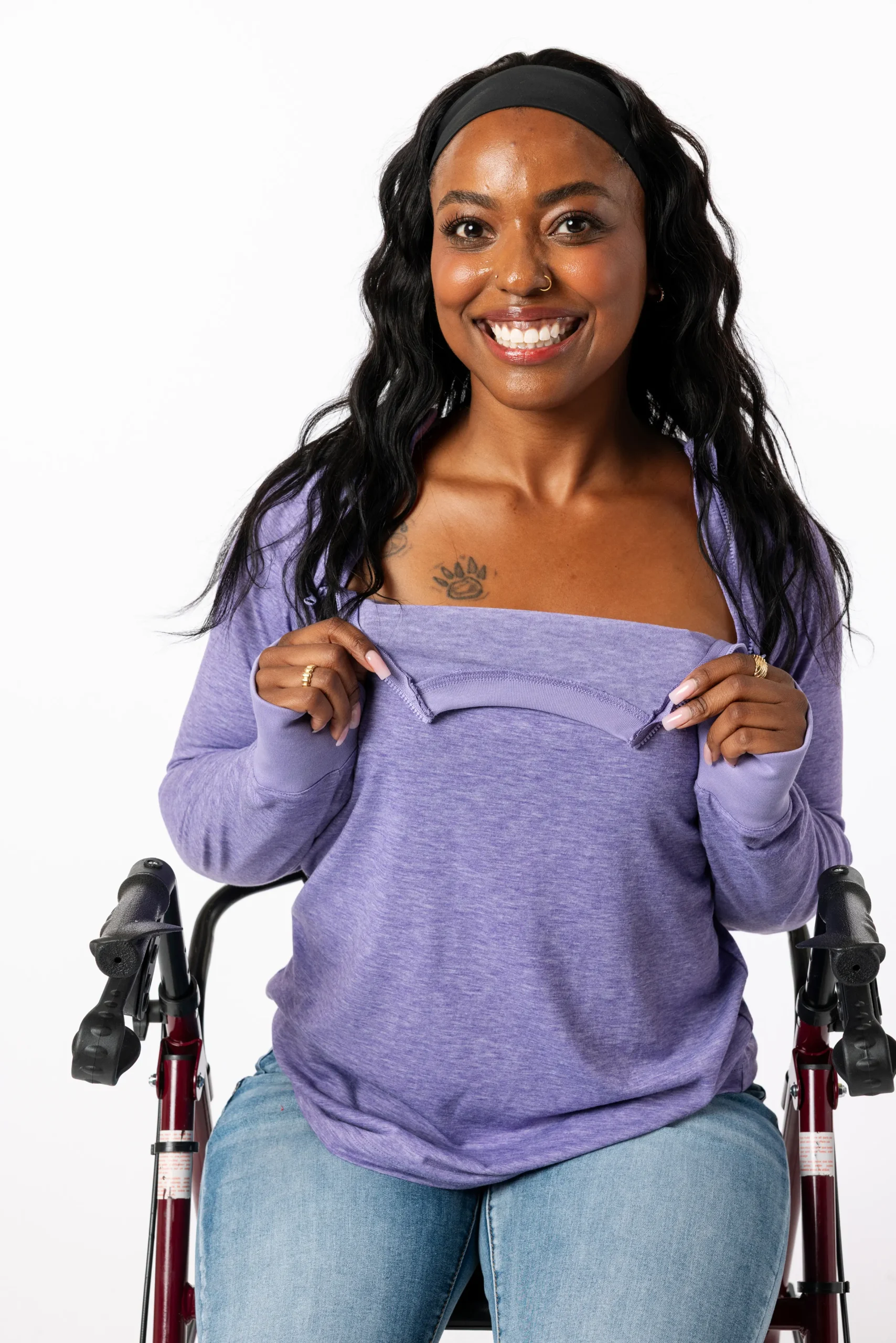
Before launching into adaptive design, Saba spent years working in women’s ready-to-wear fashion in New York City. That background, she says, shaped everything about how she approaches garments today. The biggest shift was not learning to think about function. It was refusing to let function come at the expense of form.
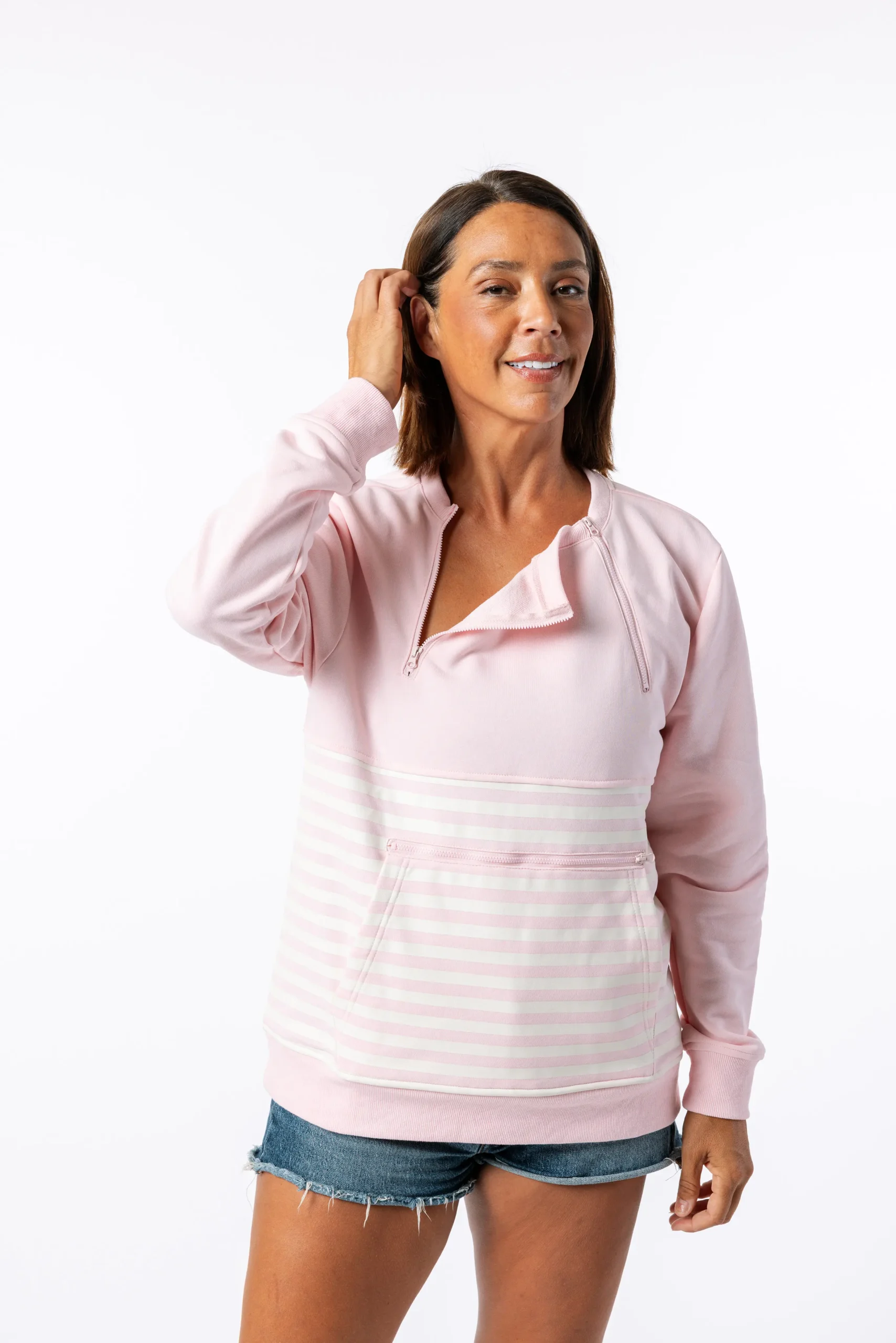
“We don’t want our garments to look medical,” she explains. “We want it to be something that you want to buy, and that you feel comfortable in.”
That philosophy guided her when she connected with Dr. Julie Sanchez, a surgeon already working on adaptive clothing for children in Austin, Texas. Dr. Sanchez brought the clinical knowledge. She knew which devices her patients used, the complications they faced, and the exact moments when clothing became an obstacle to care. Saba brought the design eye. Together, they built a process where form and function were treated as equals from the very first sketch.
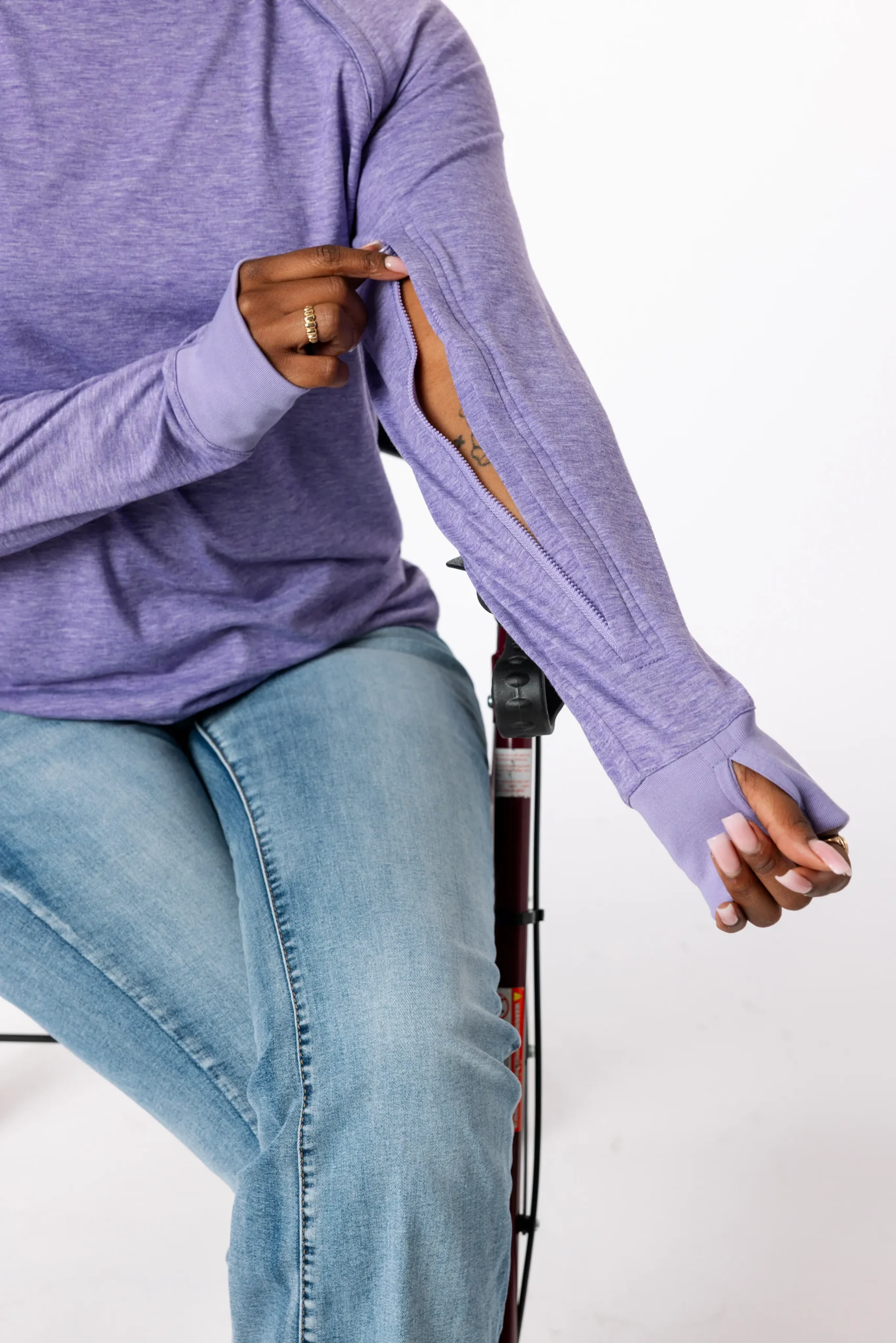
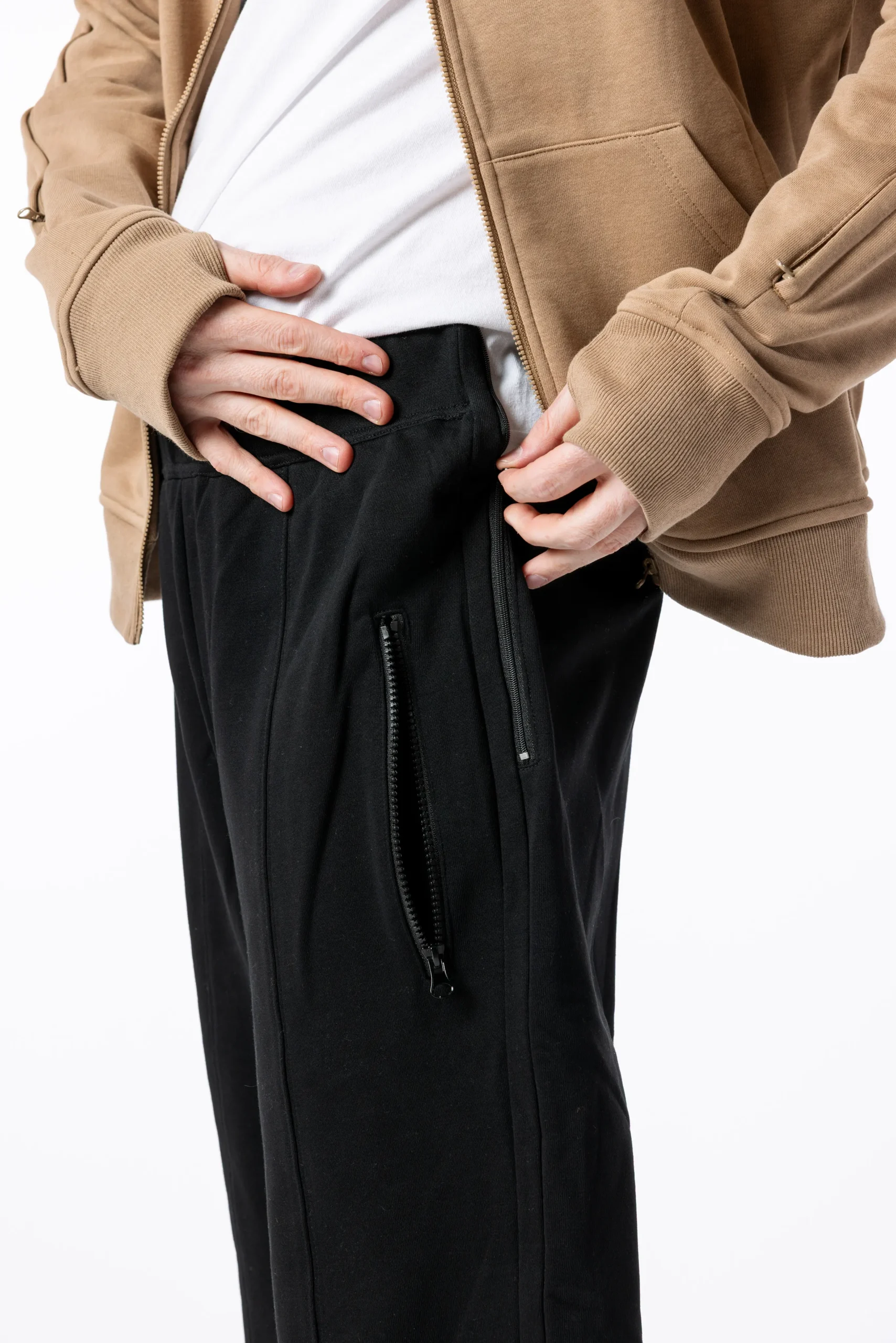
One detail that reflects that partnership closely: the zippers. Some zippers on Spoonie Threads garments are metal-free making them MRI-safe. Various types of closures are used on their clothing, such as plastic snaps, plastic zippers and magnets because they are aware that customers all have different preferences. These are not afterthoughts but are built into the design brief from the start.
The brand name itself is a deliberate choice. “Spoonie” is a term that originates in the chronic illness community, drawn from the Spoon Theory framework used by many people with chronic conditions to describe their limited daily energy. Saba wanted to raise awareness of the term and signal clearly whose needs the brand was built around.
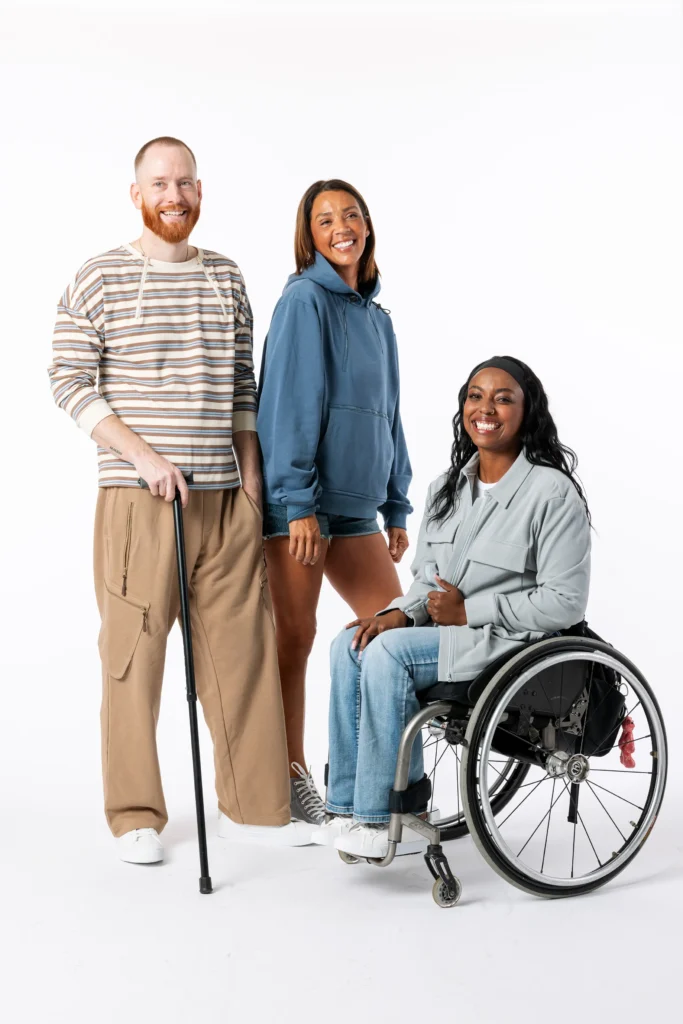
That community is the design team, not just the target market!

Before any product reaches shelves, Spoonie Threads sends prototypes to a wide range of testers, including people with varying mobility levels, different body types, and different lengths of experience with a given medical device. An ostomy belt the brand developed a few years back offers a clear window into how seriously they take that feedback.
The team had carried a version of the belt for years before deciding to push the design further. When prototypes went out to testers, one tester flagged something no one in the design room had caught. Every time he sat down, his pants shifted and the belt came untucked. Every time he stood back up, he had to reach back and re-tuck it. Small, repetitive, and entirely avoidable. The width of the belt was changed as a result.
The same tester raised a second issue. The cover portion of the belt was pressing too tightly against his stoma, which risked blocking waste from entering the pouch properly. The fix was a set of side gussets added to the cover panels, a feature that had never appeared in any previous version. The gussets let the belt stay snug against the torso and remain adjustable, while giving the pouch the room it needed to function. It was, as Saba put it, a game changer. And it only happened because someone who actually lived with the device was asked what was not working.
“We never would have known how to do that until we had sent out these prototypes,” Saba says.
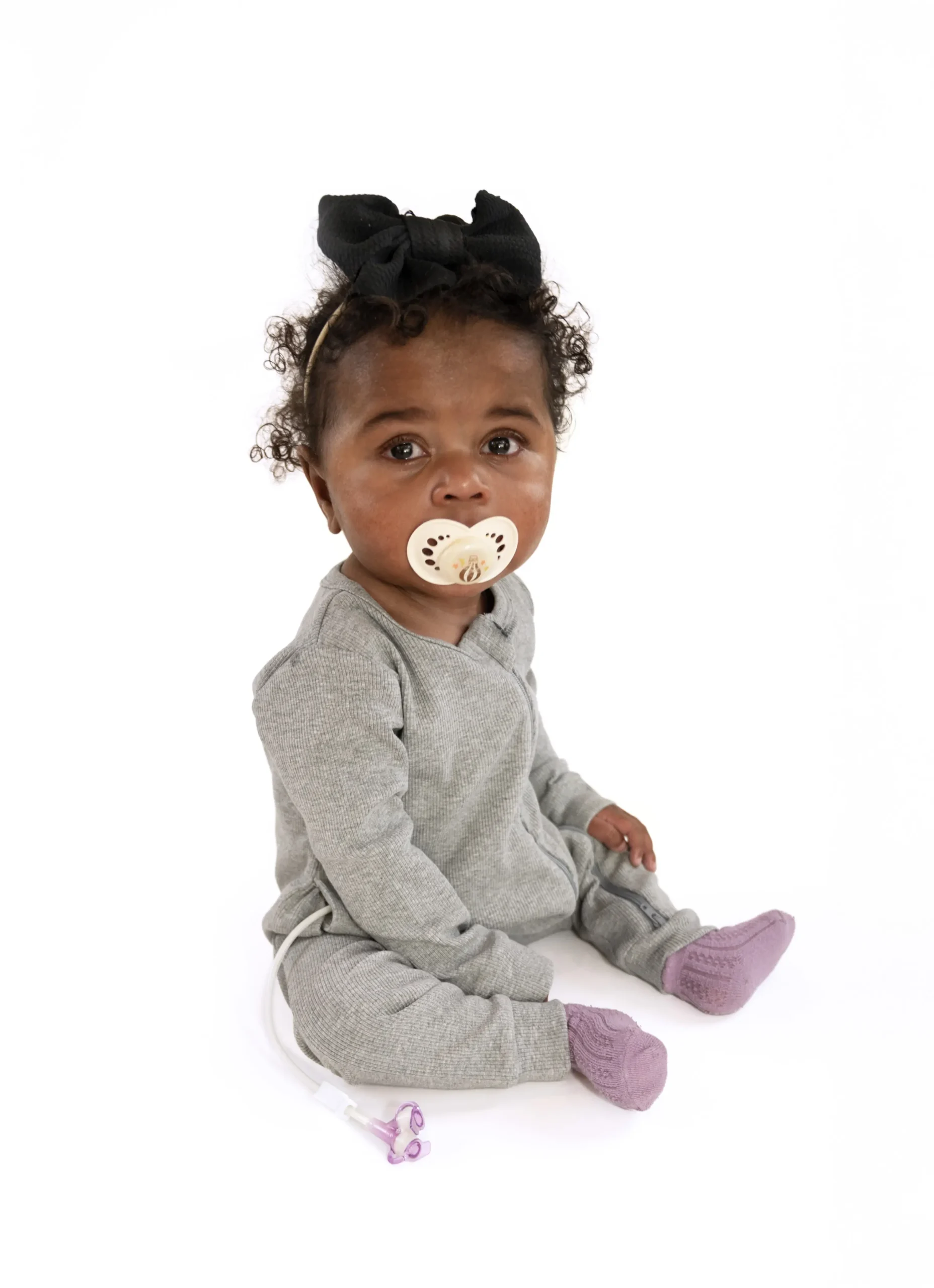
Parents of children with feeding tubes often stay up through the night worried about tube dislodgement. Overnight feeds mean tubing runs from the child to a pump, and in a crib, that tubing can wrap around a baby’s body or throat. Spoonie Threads addresses this with adaptive pajamas that have side slits allowing tubing to exit at a specific, controlled point. Parents then use items like pool noodles to keep the tubing contained without restricting movement.
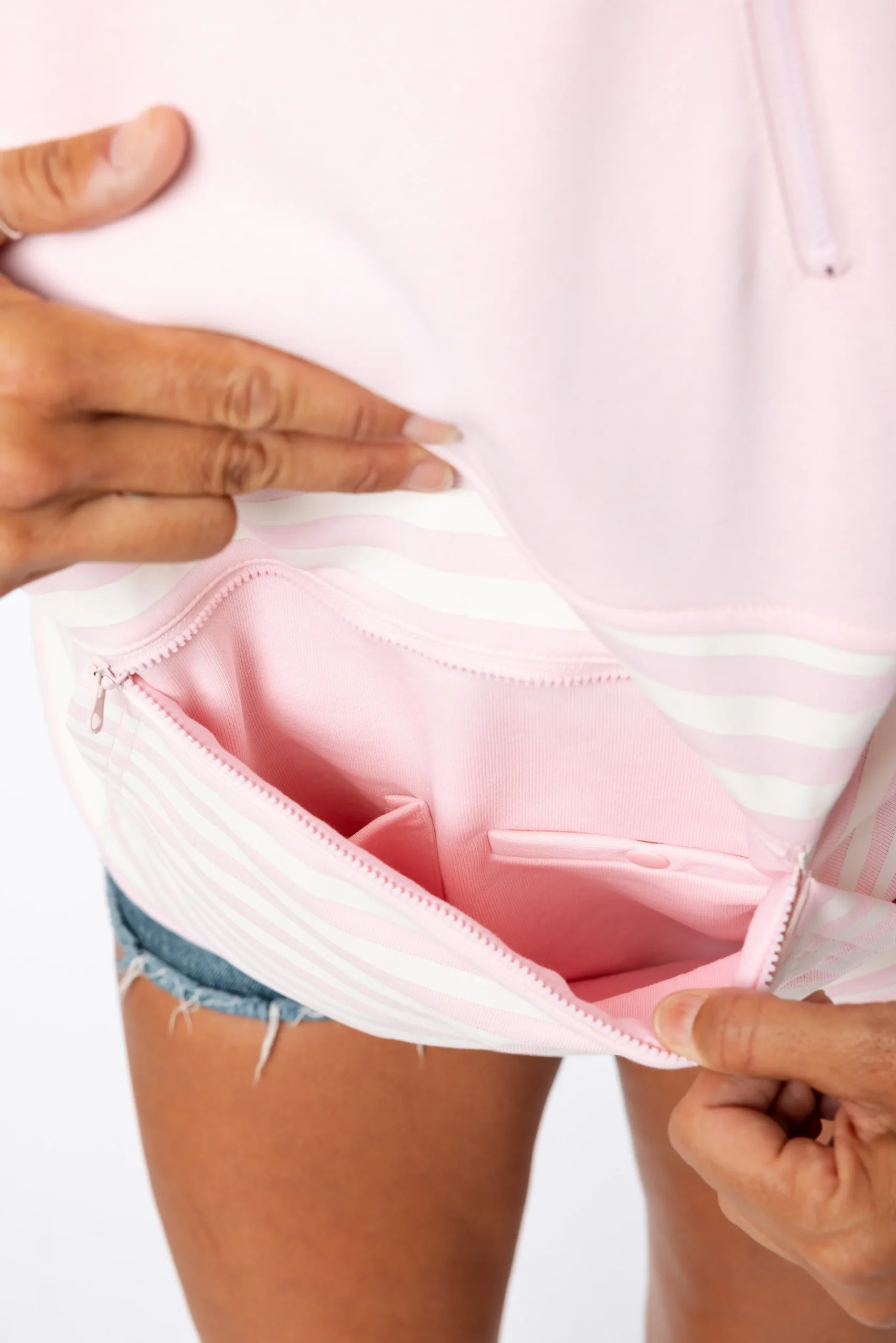
For daytime wear, the brand offers soft pull-on waistbands that cover the tube area entirely, reducing the chance that a young child with limited dexterity will grab or dislodge the device. Adaptive bodysuits for babies and older children up to size 12 feature a zipper opening beneath a velcro-secured flap. Multiple steps stand between a curious child and the device underneath, and none of them look clinical from the outside.
Spoonie Threads is not interested in the beige end of the adaptive fashion spectrum. Holiday prints, bold patterns, and seasonal colours are offered alongside neutrals, because the brand takes the position that someone managing a chronic illness should not have to give up the simple pleasure of wearing something they actually like.
“Just because you’re a spoonie doesn’t mean you can’t still have functional, beautiful garments to wear,” Saba says.
Ostomy covers have become one of the brand’s most expressive product categories. Customers use them to match swimwear, express humour through printed text, or simply feel less defined by the device beneath their clothing. Black is still the top seller, but the colourful options exist for a reason. They give people a choice.

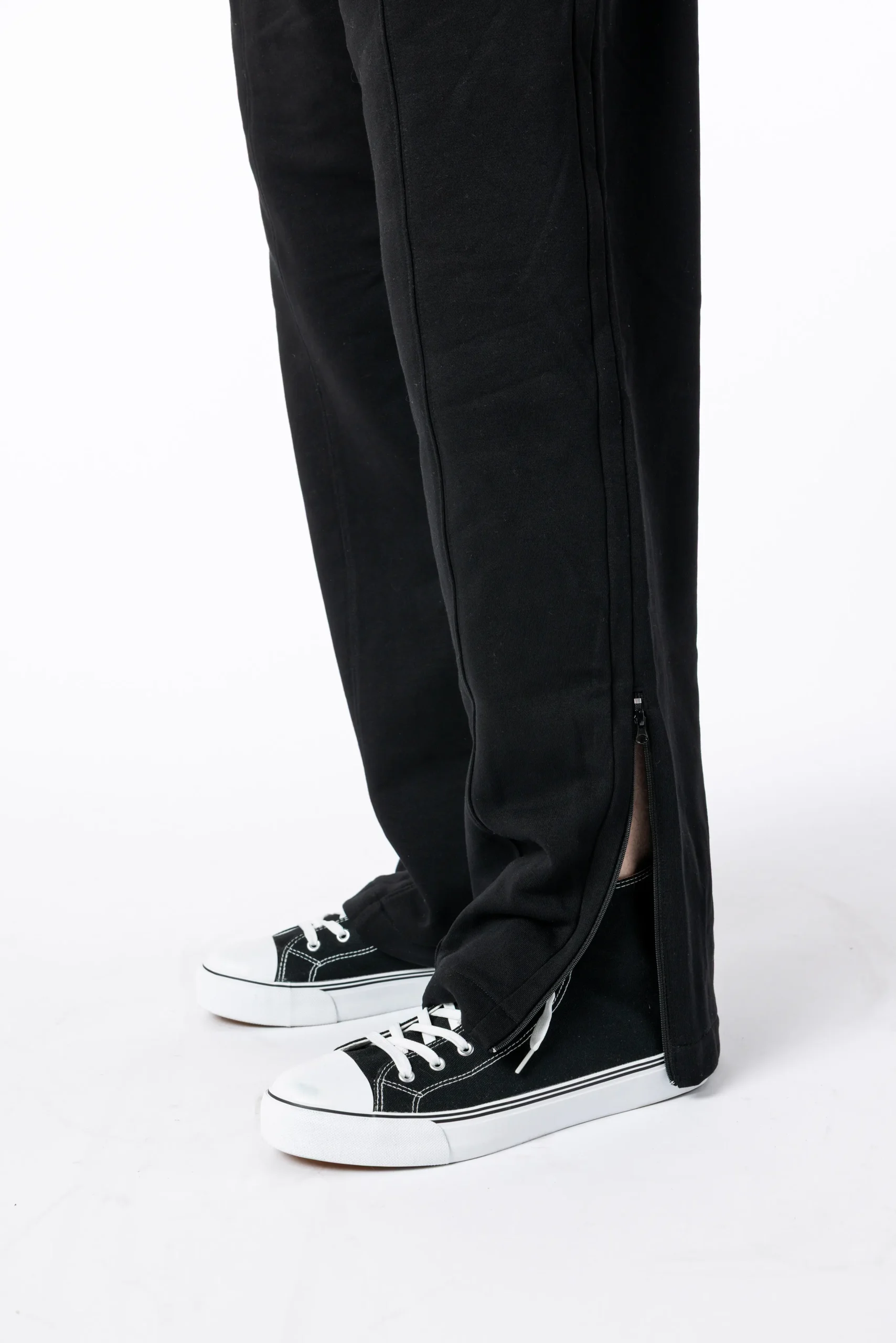
Spoonie Threads has partnered with brands including Zappos and Aerie, and Saba is candid about what those collaborations revealed. When Aerie began stocking an insulin pump belt designed by Spoonie Threads, the response from customers was emotional. People left comments describing what it felt like to see a mainstream retailer acknowledge their reality.
“They felt seen. They felt heard,” Saba says.
The broader fashion industry, she argues, has been slow to arrive at this understanding for a straightforward reason: people with disabilities have historically been absent from design tables. The industry has also tended to treat adaptive design as too complicated to scale. Both are solvable problems, but only if brands are willing to look honestly at who is missing.
Her practical advice to mainstream designers is this: start with closures. Buttons, snaps, and zippers demand far more dexterity and concentration than most designers realize. Magnets and easier fasteners do not just serve people with disabilities. They serve everyone. Tagless labels are now standard across much of the industry, and the reason is simple. Tags are annoying, and nobody needs them.
Universal design, Saba says, tends to work that way. What makes clothing better for someone with a feeding tube or an ostomy or limited hand strength almost always makes it better for people without those needs as well. The industry is just taking a while to notice.
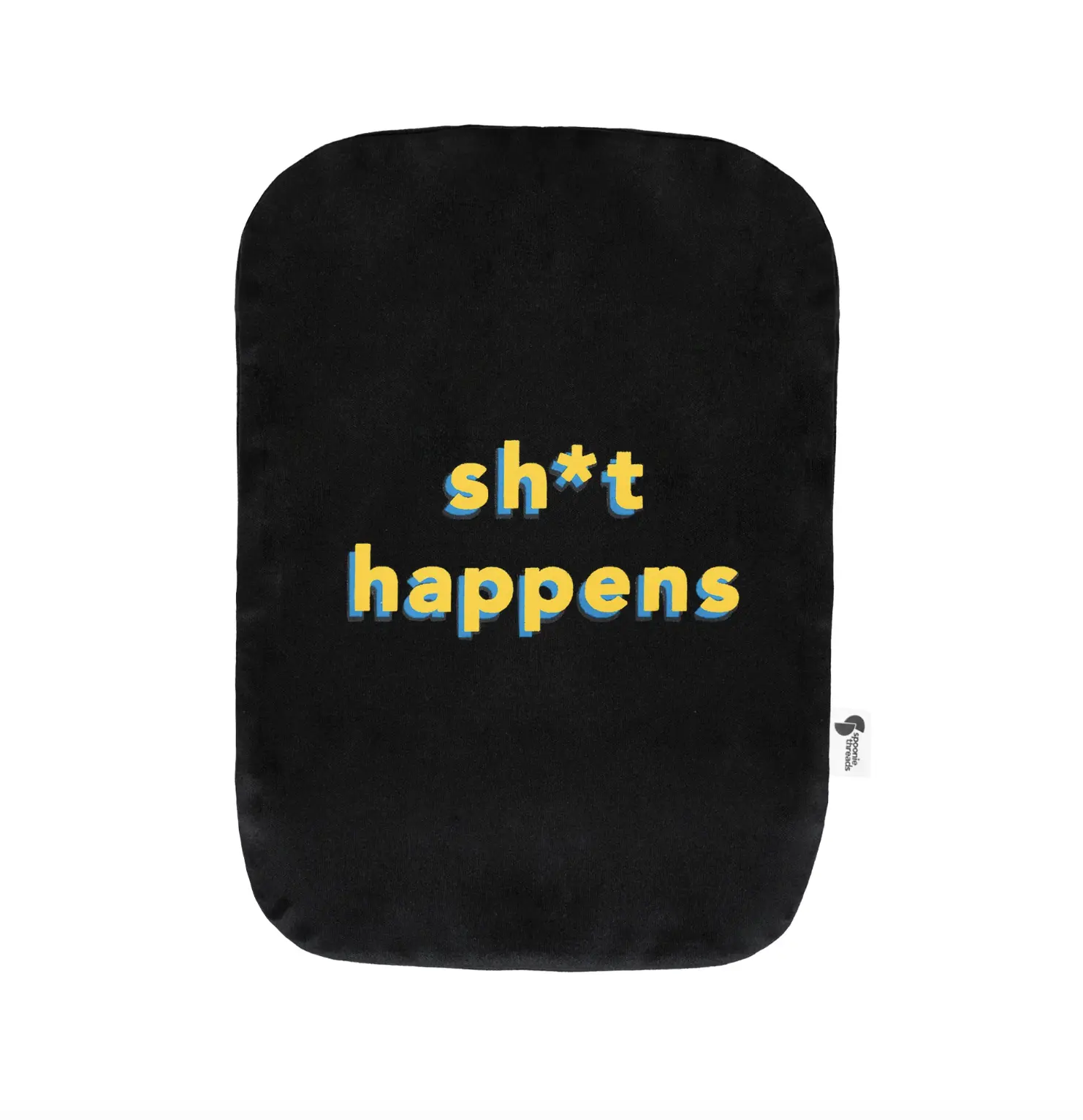
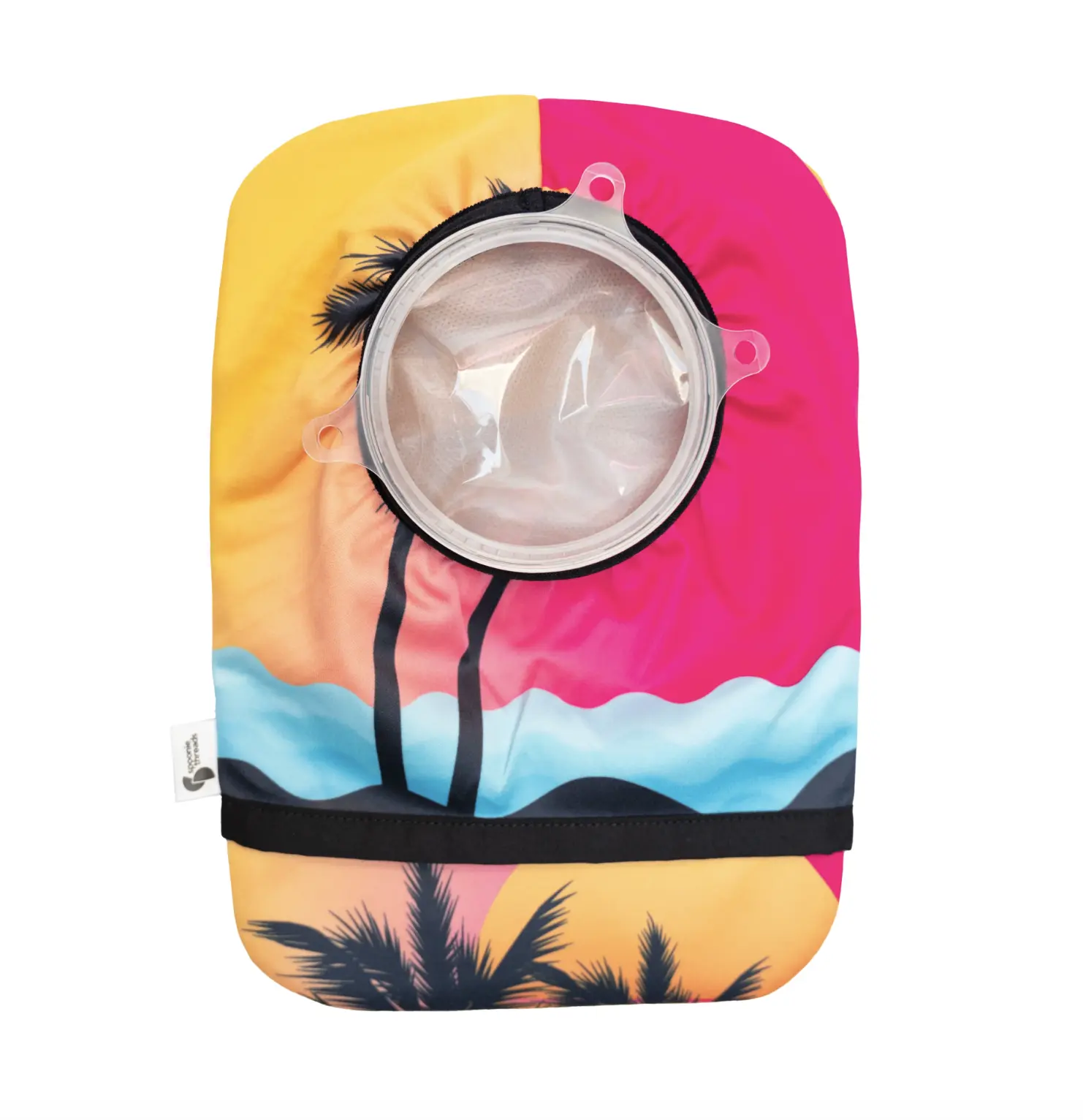
But Spoonie Threads is not waiting for the fashion industry to catch up. It is quietly proving, one zipper placement and one side gusset at a time, that clothing designed with the hardest use cases in mind tends to be better clothing for everyone. The tagless label is now an industry standard. Easier closures are slowly becoming the norm. And somewhere, a parent is sleeping through the night because a pair of pajamas was designed by someone who thought to ask the right questions.
Fashion has always told people who they are and where they belong. For too long, that story left out the one in four people worldwide living with a disability. Spoonie Threads is making the argument, stitch by stitch, that being sick is hard enough without your clothes making it harder. Millions of people were already getting dressed but someone just had to care enough to make sure they had more options.
Website: https://spooniethreads.com/